
A UC San Diego lab recently announced a pair of scientific breakthroughs for Pitt-Hopkins and Rett syndromes that are slated for government-approved clinical trials soon.
The approvals by the U.S. Food and Drug Administration came Dec. 9 and Sept. 25, respectively.
Though the ways the pre-clinical trials were conducted differ, they share the common thread of using organoids — small, three-dimensional masses derived from stem cells that mimic organs.
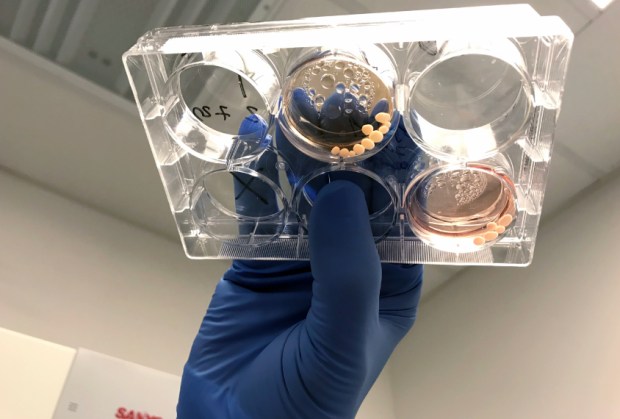 Organoids were used for pre-clinical trials leading to two FDA-approved clinical trials by UC San Diego. (Muotri Lab / UC San Diego)
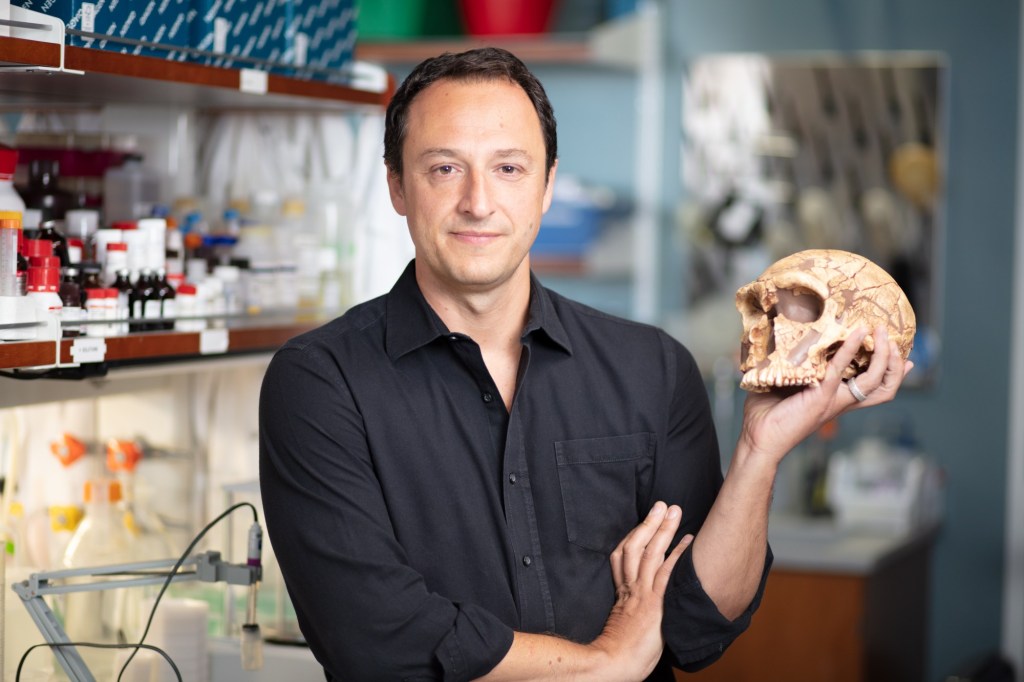
“This is different from [how] normal drug discovery happens, which is mostly using animal models,” said Alysson Muotri, a professor in the Pediatrics and Cellular & Molecular Medicine departments at UCSD. “Over the years, there is a tendency to move more into human-based models, and that’s what we do.”
Recruiting patients for both trials is underway, Muotri said.
Pitt-Hopkins and precision gene therapy
Pitt-Hopkins syndrome is a rare genetic disorder caused by a mutation in the TCF4 gene, which controls proteins that dictate brain and nervous system development. TCF4 also is implicated in other disorders such as schizophrenia and autism, according to the Pitt Hopkins Research Foundation.
People with Pitt-Hopkins syndrome experience developmental delays, lack of speech, recurrent seizures or epilepsy, distinctive facial features, breathing issues and more.
By deriving organoids from children with Pitt-Hopkins, researchers say they are restoring TCF4’s gene function without triggering harmful overexpression.
“Sometimes you can overdose, and overdosing or overexpression of the gene is as bad as mutation,” Muotri said. “Usually the clinical trials fail because there’s an overdose.
“In this case, we figured out a molecular trick that doesn’t allow TCF4 to ever be overexpressed, so it’s always at the level that is normal.”
The “molecular trick” allows for self-regulation once the gene reaches a normal expression level.
UCSD believes it could be “the first gene therapy discovered using human brain organoids to reach trial phase.”
Rett syndrome and space biology
Since 2019, the Muotri Lab has been able to simulate neural aging and identify inflammatory pathways by sending samples to the International Space Station.
Doing so revealed that anti-retroviral medications, typically used to treat HIV, have the capacity to reduce inflammation and restore neural function in Rett syndrome models.
Rett syndrome is another rare neurological and developmental disorder impacting brain development, mostly in females. Unlike with Pitt-Hopkins, babies with Rett appear to develop as expected at first, but then experience progressive loss of motor and communication skills.
Since stem cell models represent a disease’s early stages, simulating development is trickier and more time-consuming. But by sending organoids to the ISS, scientists can project brain aging with much greater efficiency, Muotri said.
“They can age faster in space, so when we bring them back … they have the characteristics of a brain that is much older, allowing us to review novel therapeutic targets that would be impossible to do here on Earth,” Muotri said. ♦