
With the New Year comes a slate of new laws bringing changes for students statewide, reshaping rules around cellphone use, bathroom access, admissions to CSUs, and immigration agents on campuses.
Signed in 2024 by Gov. Gavin Newsom and taking effect in July, the law requires school districts to adopt policies that restrict or prohibit student smartphone use during the school day. It also mandates that those policies be reviewed and updated every five years.
California becomes one of 30 states to restrict students’ use of cellphones to try and curb distraction in the classroom.
Sacramento City Unified, Elk Grove Unified, Twin Rivers Unified, Natomas Unified and other area districts already have some form of policy permitting the use of cellphones only before and after schools, but some teachers may allow the use of limited access through explicit instruction.
Senate Bill 640 establishes in January a “CSU Direct Admission Program,” which will automatically admit eligible high school seniors to the CSU without requiring a traditional application.
Students who meet the system’s academic eligibility requirements will receive letters of admission to one or more CSUs with available enrollment capacity based on their academic records and data provided by their school districts.
The law seeks to simplify the transition from high school to college, reduce barriers in the admissions process, and help boost enrollment.
Over the past decade, Sacramento State’s enrollment has grown by 6.7%. The university reached its highest post-COVID fall enrollment in 2025, with 31,307 students.
Urgent concern over immigration officers coming onto school campuses led to several laws being passed in September, including Assembly Bill 49 and SB 98.
SB 98 mandates beginning in March that districts create safety plans and notify staff and parents when immigration officers are on campus.
According to Attorney General Rob Bonta, approximately 133,000 undocumented children attend California’s public K-12 schools, and many more have parents or relatives who do not have documentation.
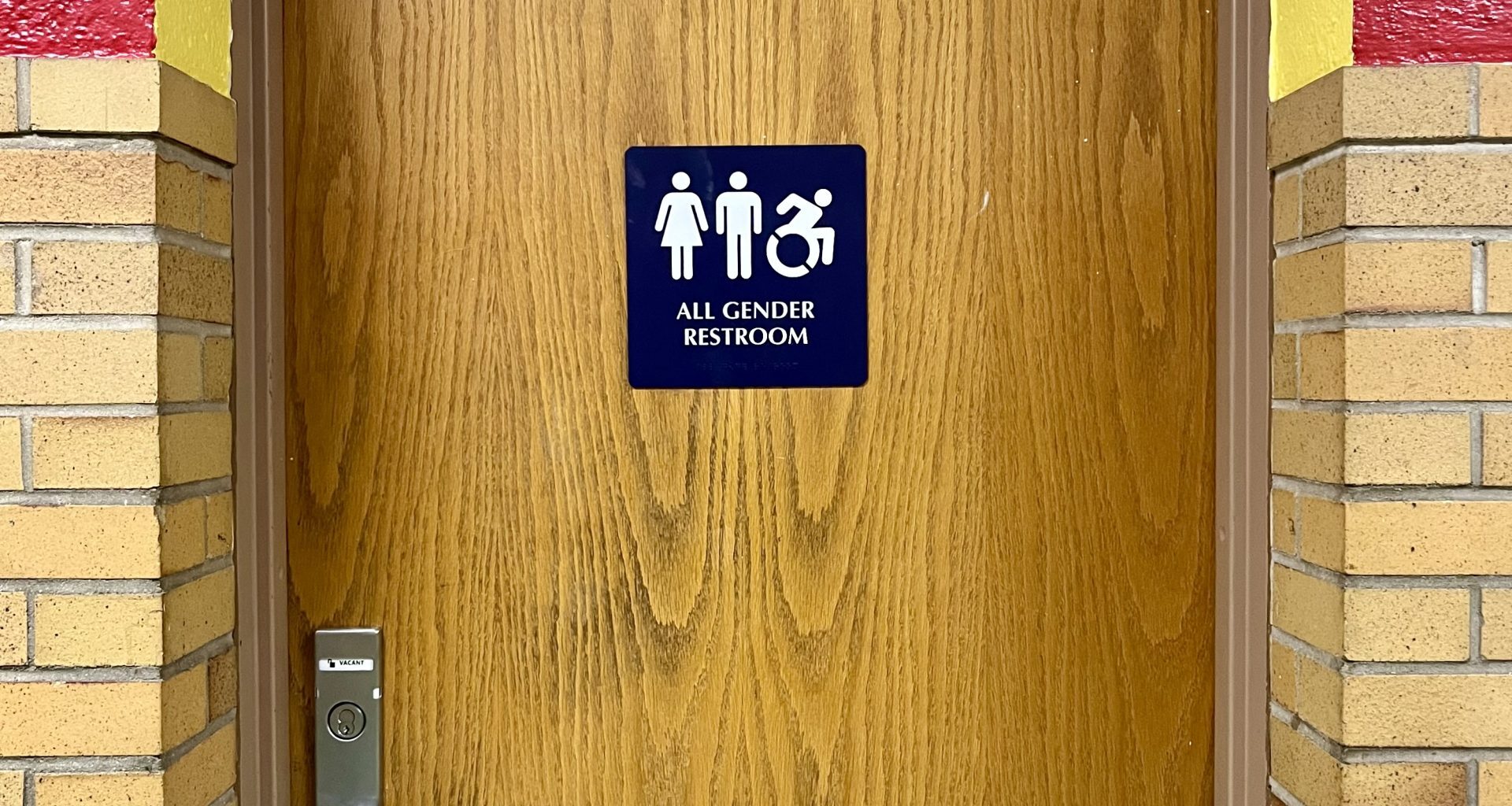
SB 760 mandates that schools make gender-neutral bathrooms available for students by July.
The law is intended to increase safety, privacy and accessibility for transgender, nonbinary and gender-nonconforming students. The law also can benefit students who may need additional privacy, such as those with disabilities or medical needs.
To comply, many schools have converted a single-stall restroom into a gender-neutral one.
School districts also must designate a staff member as a point of contact for overseeing implementation of the new restroom requirement and post notice with their contact information outside at least one all-gender restroom on each campus.
Sacramento City Schools has LGBTQ+ services and grants students access to gender-neutral facilities, such as single-stall restrooms. Elk Grove Unified works with its youth development team to help students create gender support plans for transgender and nonbinary students.Similarly, Natomas Unified has student support services for LGBT students on campuses.
Related