
Home
»
America Travel News
»
Miami Joins Seattle, Los Angeles, Galveston, Port Canaveral, Fort Lauderdale, and Other Key Destinations Across Florida, California, Texas, and Washington, Expected to Skyrocket Cruise Tourism Across the US with Significant Growth in 2026: Everything You Need to Know
Published on
January 3, 2026
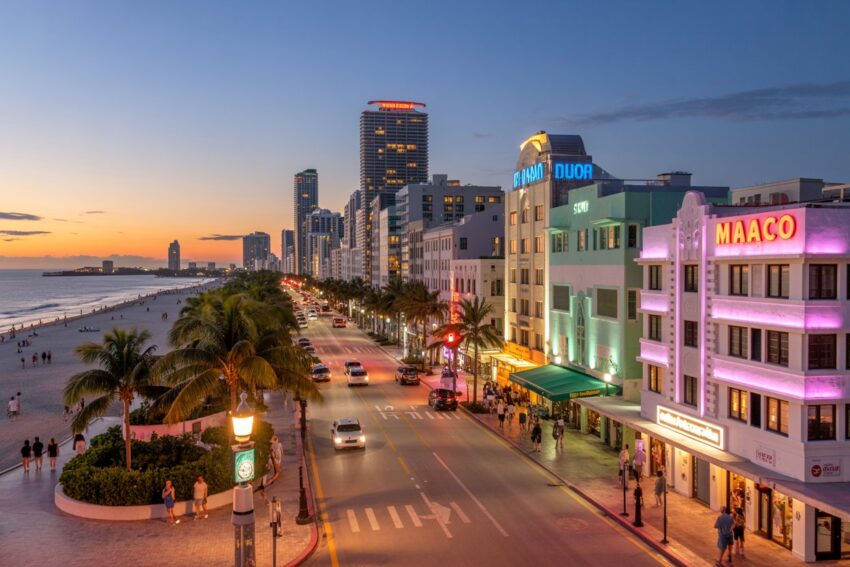
Miami joins Seattle, Los Angeles, Galveston, Port Canaveral, Fort Lauderdale, and other key destinations across Florida, California, Texas, and Washington, expected to skyrocket cruise tourism across the U.S. with significant growth in 2026. These ports are enhancing infrastructure, sustainability efforts, and marketing to handle increasing demand, making 2026 poised for record-breaking growth in US cruise tourism.
As the world continues to embrace cruising as a top vacation choice, these regions are gearing up to accommodate a surge of travelers. Miami, already the busiest cruise port globally, is expanding its facilities to welcome even larger ships and improve passenger flow. Ports like Seattle and Los Angeles are making substantial investments in terminal upgrades and eco-friendly technologies to attract more international cruisers. In Texas, Galveston continues to grow in prominence, while Port Canaveral and Fort Lauderdale are positioning themselves as leading departure points for shorter and longer voyages alike. With these strategic enhancements, these key destinations are set to play a pivotal role in shaping the future of U.S. cruise tourism and ensuring it meets the demands of an ever-growing market. As 2026 approaches, these ports are more prepared than ever to offer passengers unforgettable experiences while driving forward industry growth.
Miami, Florida – Leading the Charge for Cruise Tourism
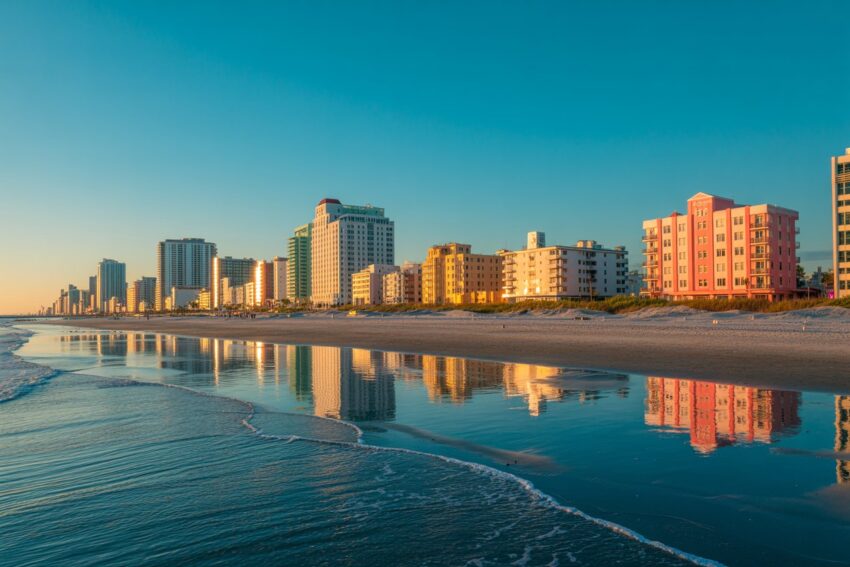
As the world’s busiest cruise port, Miami continues to set the bar for cruise tourism. In 2025, the port saw a record passenger volume, handling millions of travelers embarking on Caribbean cruises. Miami is pushing even further in 2026, with an ambitious plan to expand its PortMiami terminal by adding new berths, optimizing passenger flow, and enhancing facilities to handle the growing demand. This expansion aims to accommodate larger vessels and improve operational efficiency. Additionally, Miami is focusing on sustainability efforts, with new shore power technology to reduce emissions while ships are docked. The port is also ramping up its marketing campaigns, targeting international tourists, particularly from Europe and Latin America, to increase the number of overseas cruisers. Miami’s reputation for world-class amenities, top-tier dining, and proximity to vibrant destinations like the Bahamas continues to make it a top choice for cruise lines and passengers alike.
Port Canaveral, Florida – Shortening the Journey to Paradise
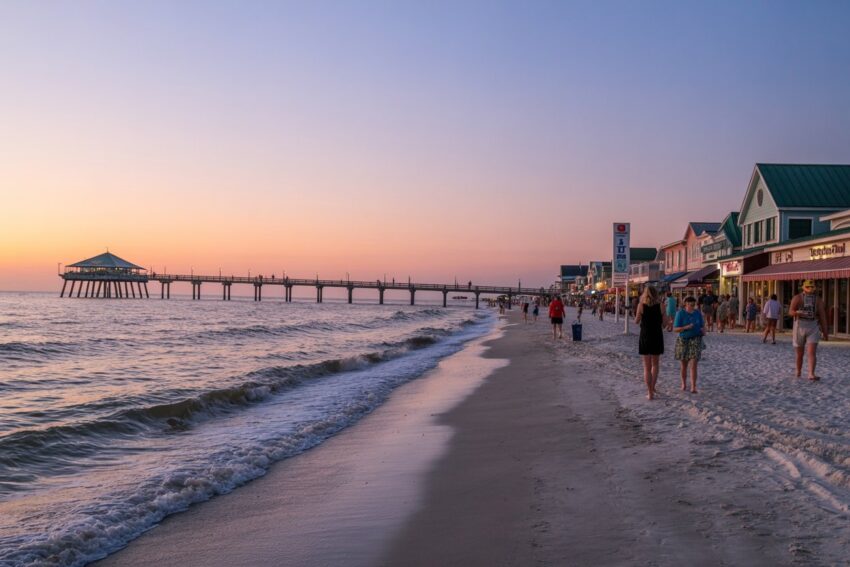
Port Canaveral, a hub known for its accessibility and efficiency, made significant strides in 2025, becoming one of the most popular departure points for short cruises to the Bahamas and Caribbean. The port experienced a steady rise in passenger volume, driven by increased demand for quick getaways. In 2026, Port Canaveral plans to solidify its position as a leader in short-cruise tourism with a $60 million terminal expansion, including dedicated space for newer, larger vessels. This upgrade will enhance the passenger experience, offering amenities such as luxury lounges and improved transportation links to Orlando’s famous attractions. Port Canaveral is also investing in green initiatives, including sustainable fuel options for ships and shore power installations to reduce environmental impact. This growing focus on eco-friendly practices, alongside its proximity to family-friendly resorts, ensures Port Canaveral’s continued appeal to travelers seeking a quick and convenient cruise experience.
Fort Lauderdale, Florida – A Gateway to the Panama Canal
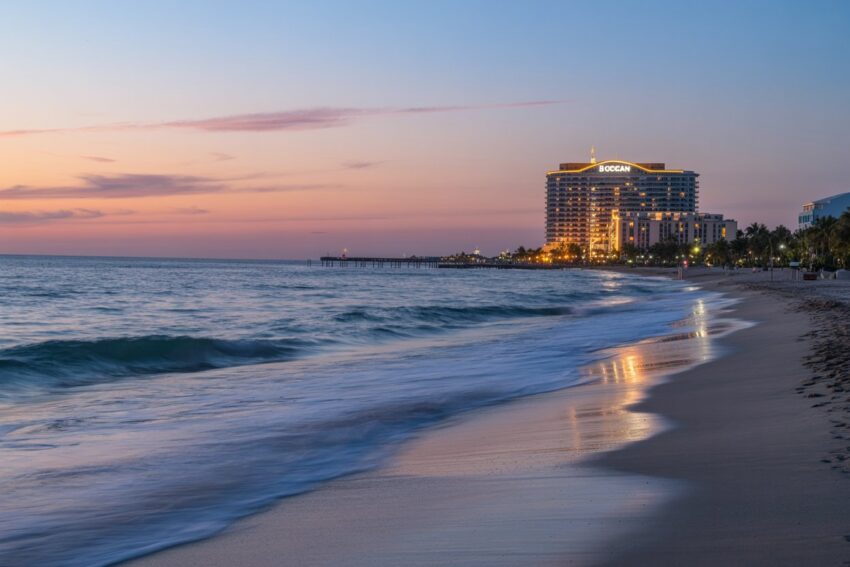
Fort Lauderdale, known for its state-of-the-art cruise terminals, continued to thrive as a departure point for Caribbean and Panama Canal cruises in 2025, with record-breaking passenger numbers. The port’s strong performance is expected to extend into 2026, as Port Everglades launches new initiatives to enhance its infrastructure and bolster its international reputation. In 2026, Fort Lauderdale will welcome several new vessels, thanks to its ongoing investments in terminal upgrades, including expanded check-in facilities and increased customs processing to accommodate the growing demand. The port is also focusing on enhancing its sustainable cruise offerings, including the implementation of shore power systems and collaborating with cruise lines to introduce eco-friendly ships using LNG and methanol. As Fort Lauderdale positions itself as a major departure point for long-haul cruises, it continues to attract an increasingly diverse cruise demographic, from luxury travelers to multigenerational families.
Los Angeles (San Pedro), California – The Pacific Coast’s Gateway

Los Angeles (San Pedro) has always been an essential port for cruises along the Pacific Coast, especially for cruises to Mexico and Hawaii. In 2025, San Pedro saw a strong increase in passenger numbers, capitalizing on its position as the gateway to the West Coast. Moving into 2026, the port is gearing up for a $40 million renovation that will expand its cruise terminal to accommodate the growing demand for cruises to Alaska and the Pacific Islands. The port is improving passenger experience by introducing high-tech, self-check-in kiosks and revamping its duty-free shopping areas. Additionally, Los Angeles is aiming to attract more international cruisers by promoting its accessibility to nearby cultural attractions like Hollywood and Disneyland, alongside its exceptional cruise amenities. As environmental concerns grow, the port is also expanding its sustainability initiatives, including solar-powered technology and energy-efficient cruise terminal operations.
Seattle, Washington – Setting Sail for Alaska

Seattle has long been the go-to port for Alaska cruises, particularly in the summer months. In 2025, the city saw a surge in passenger numbers, cementing its status as the largest Alaska cruise departure point in the U.S. Heading into 2026, Seattle is taking bold steps to boost tourism by enhancing its cruise terminal facilities. The Smith Cove Cruise Terminal is undergoing significant upgrades, including increased berth capacity and new passenger services to handle larger vessels. Seattle is also focusing on marketing efforts to draw more international passengers, highlighting not only its gateway to Alaska but also its proximity to scenic attractions such as the Puget Sound and Mount Rainier. As the demand for nature-focused, adventure-oriented cruises grows, Seattle is positioning itself as the eco-tourism capital of the cruise world, working closely with cruise lines to implement carbon-reduction technologies and wildlife conservation initiatives on board.
Galveston, Texas – The Rising Star of Cruise Ports
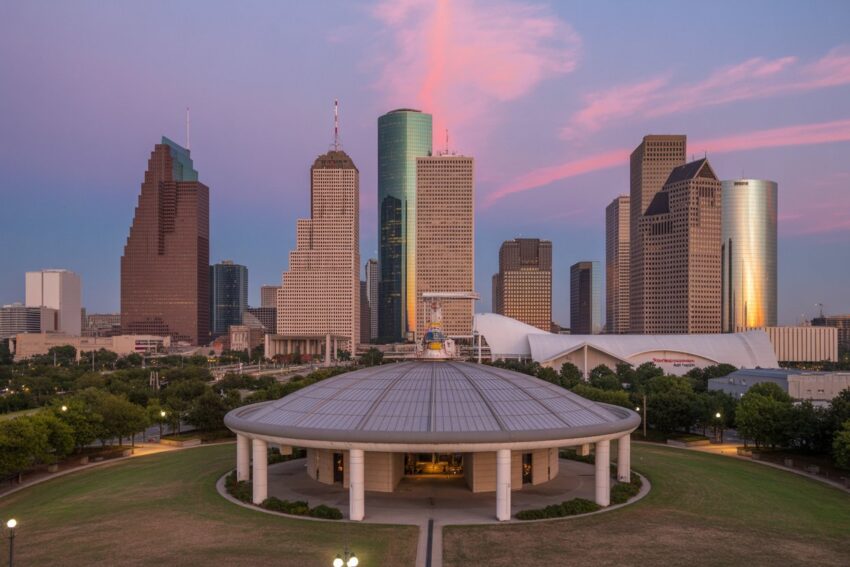
Over the past few years, Galveston has evolved into a major cruise port in the U.S., especially popular for Caribbean and Western Caribbean itineraries. In 2025, the port continued to see significant growth in both passenger traffic and cruise offerings. For 2026, Galveston’s Port is set to expand its terminal capacity, which will allow for more ships and larger vessels. This development includes new parking facilities, improved customs processing systems, and more luxury amenities to cater to a growing demand from both family and luxury cruise markets. Galveston is also working on greener initiatives, including the implementation of shore power capabilities and a continued push to welcome more eco-friendly ships. With a growing population of first-time cruisers and a bustling Texan tourism scene, Galveston is quickly becoming one of the most important cruise hubs on the Gulf Coast, further cementing its place in the future of U.S. cruise tourism.
US Cruise Tourism in 2024: A Strong Comeback
In 2024, the U.S. cruise tourism industry bounced back with 18.2 million American passengers taking ocean cruises, showing a 7% increase compared to 2019 levels. The market value for U.S. cruise tourism in 2024 was estimated at $20.3 billion, reflecting the rising demand for leisure travel. The Caribbean was by far the top destination, with 72% of U.S. passengers setting sail to the region. Florida’s cruise ports—Miami, Port Canaveral, and Fort Lauderdale—were the world’s busiest, handling millions of passengers. The demand for shorter Caribbean cruises also surged, providing affordable options that appealed to new and returning travelers alike.
2025: Record-Breaking Growth and Demand
2025 marked another record-breaking year for the U.S. cruise industry, with 20.7 million American passengers projected to sail on ocean cruises. This represents an 8.4% increase over 2024, driven by strong consumer confidence, increased disposable income, and expanded cruise options. In 2025, the U.S. cruise market was estimated to generate $20.29 billion in revenue, reinforcing its status as a dominant global player. According to the Cruise Lines International Association (CLIA), the Caribbean remained the top choice, accounting for 72% of cruise bookings, followed by Alaska and the Mediterranean, which drew 7% and 5% of passengers, respectively. With 31% of U.S. passengers being first-time cruisers, the market saw increased interest from younger and more budget-conscious travelers opting for shorter, accessible itineraries, as reported in AAA’s 2025 cruise forecast.
2026: Another Year of Record-Breaking Projections
Looking ahead to 2026, the U.S. cruise industry is projected to reach a historic milestone with 21.7 million Americans expected to cruise, marking a 4.5% increase from 2025. This represents the fourth consecutive year of record-breaking passenger volume, underscoring the growing popularity of cruise vacations. In 2026, the market value of U.S. cruise tourism is forecasted to exceed $21 billion, driven by the continued expansion of the industry, increased spending on onboard amenities, and the appeal of multigenerational travel. According to projections by Tourism Economics, with 90% of U.S. passengers rating their cruise experiences as “very good” or “good,” cruising’s strong customer satisfaction rates suggest that these growth projections are not just optimistic, but achievable.
Cruise Passengers: Age, Preferences, and Growing Demographics
The demographics of cruise passengers in the U.S. have expanded significantly in recent years. In 2024, 65% of adult U.S. cruisers were 55 or older, but there has been increasing interest from younger travelers as well. According to CLIA, 27% of U.S. cruisers were aged 35–54, while 7% were between 18 and 34 years old. Multigenerational families have also become a significant driver of growth, with nearly 50% of American cruisers traveling as a couple, while 20% traveled with children. Notably, 31% of U.S. passengers in 2024 and 2025 were new to cruising, as highlighted in AAA’s data, indicating a fresh influx of first-time cruisers. This surge in first-time travelers and the popularity of short-duration cruises (especially in the Caribbean) are propelling the industry forward and making cruising more accessible to a wider audience.
A Bright Future: Expansion and Sustainability in Cruise Tourism
As U.S. cruise tourism continues to grow, the industry is not just focusing on passenger volume, but also on sustainability and innovation. By the end of 2025, 61% of the global cruise fleet was equipped for shore power, a crucial move to reduce emissions in port. According to the International Maritime Organization (IMO), this effort is part of a broader initiative to reduce cruise emissions. Additionally, 50% of new ships on order are set to run on alternative fuels like LNG and methanol, aligning with the industry’s long-term sustainability goals. The addition of 11 new cruise ships to the global fleet in 2025, as reported by CLIA, has further fueled this expansion. As the industry heads toward 2026, it’s clear that U.S. cruise tourism is not only booming in terms of passenger numbers and economic impact, but is also adapting to meet the demand for environmentally conscious travel options, with growing investments in green technologies across the sector.
Miami joins Seattle, Los Angeles, Galveston, Port Canaveral, Fort Lauderdale, and other key destinations across Florida, California, Texas, and Washington, expected to skyrocket cruise tourism across the U.S. with significant growth in 2026. These ports are enhancing infrastructure, sustainability efforts, and marketing to handle increasing demand, making 2026 poised for record-breaking growth in U.S. cruise tourism.
Conclusion
As Miami joins Seattle, Los Angeles, Galveston, Port Canaveral, Fort Lauderdale, and other key destinations across Florida, California, Texas, and Washington, the U.S. cruise tourism industry is set to skyrocket with significant growth in 2026. These ports are not only enhancing their infrastructure and embracing sustainability but are also ramping up marketing efforts to meet the increasing demand for cruise travel. With continued investments and expansion projects in place, these regions are well-positioned to lead the charge in the U.S. cruise tourism boom, ensuring record-breaking growth and attracting millions of travelers from around the world in the coming years.
