
San Francisco politics always make for good entertainment — but 2026 is promising to be a particularly exciting year.
From the Democratic division defining a congressional race to a big budget battle to the competition to replace Gov. Gavin Newsom, we rounded up the five political contests to watch next year.
Grab your popcorn!
A rare open congressional seat
Perhaps no other 2026 fight will be more closely watched than the contest to replace Rep. Nancy Pelosi, who announced her retirement last month after nearly four decades in Congress.
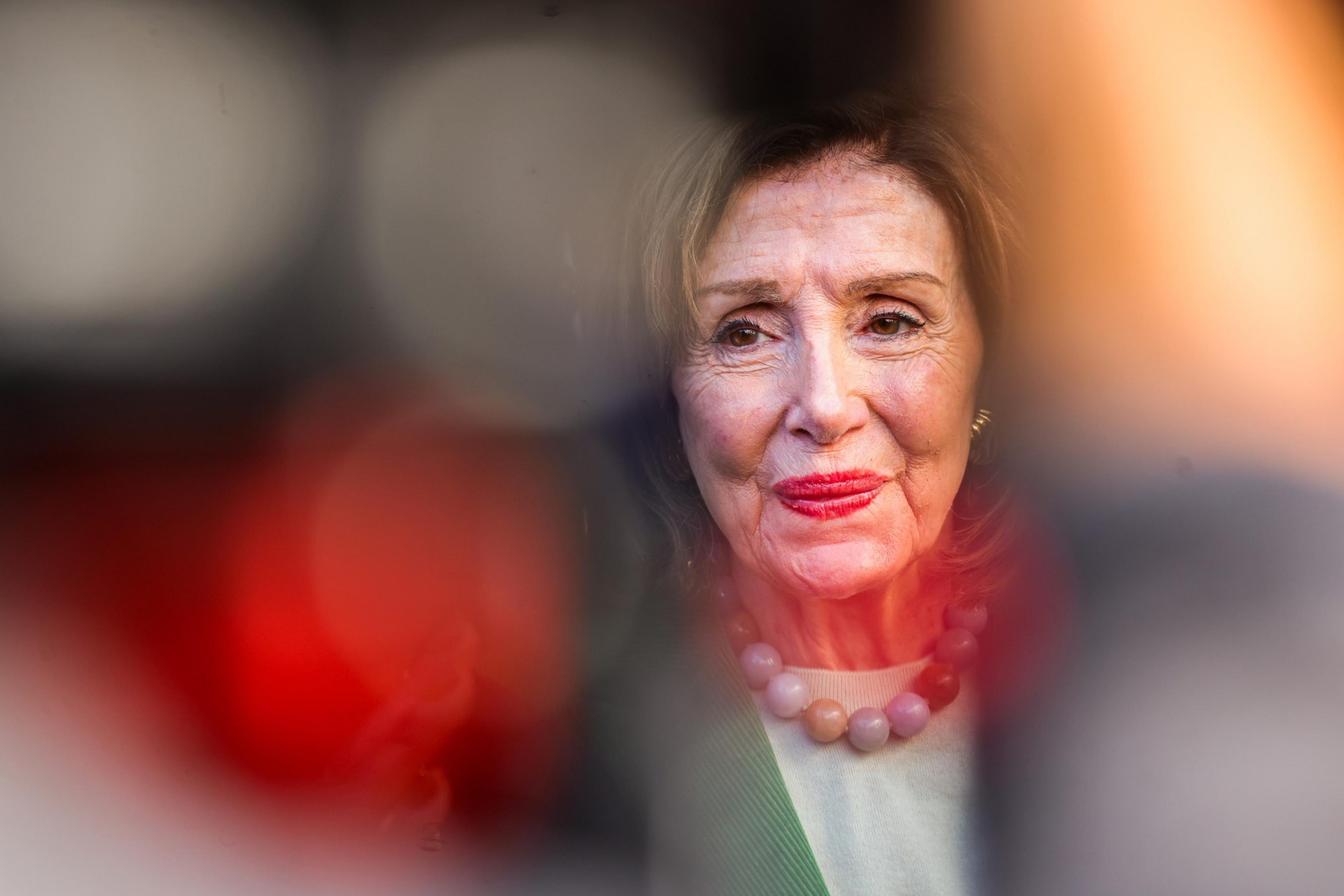 Rep. Nancy Pelosi announced her retirement last month. | Source: Gabrielle Lurie/SF Chronicle/Getty Images
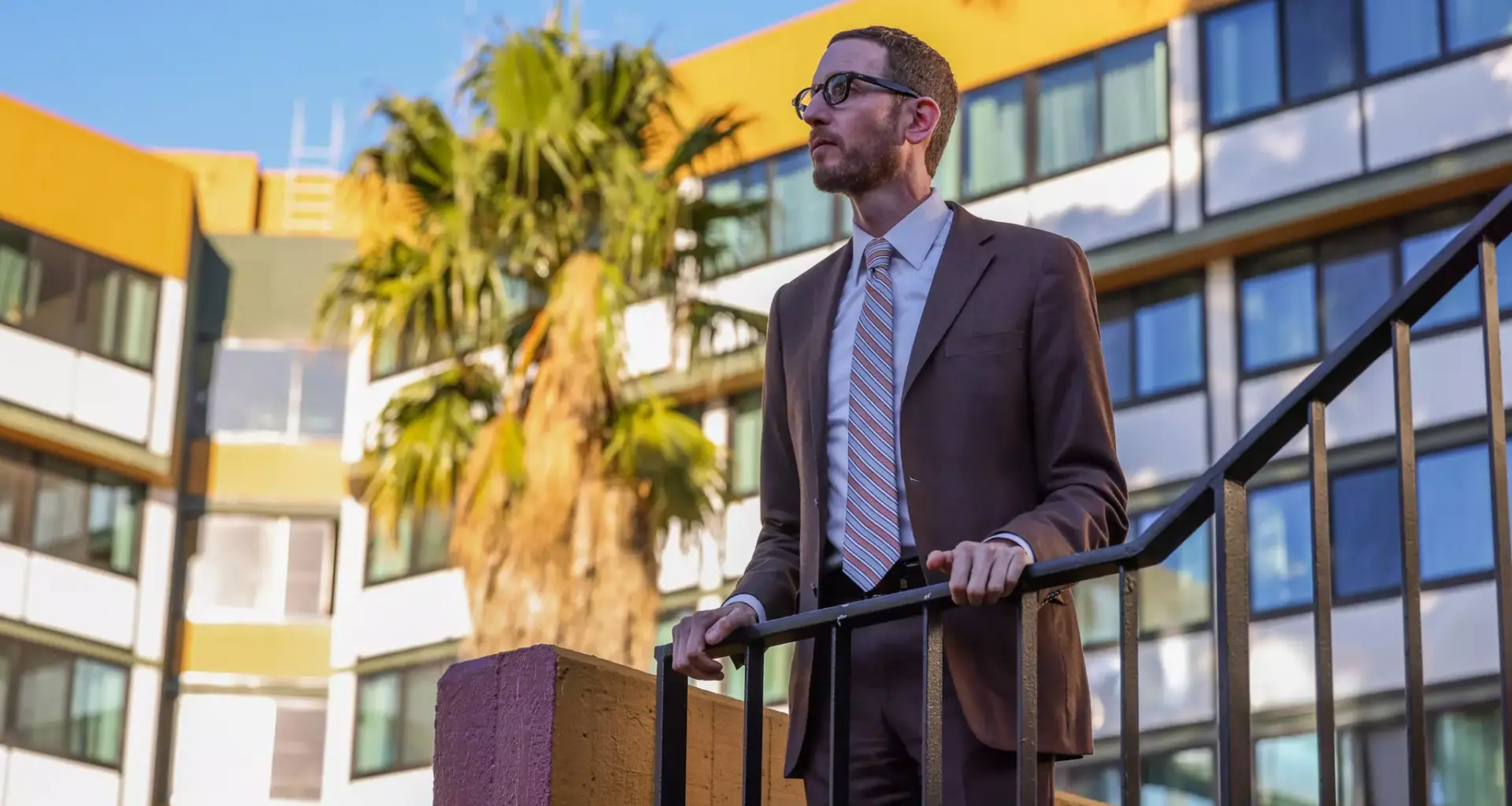
It’s a rare opportunity to make it to the congressional big leagues, let alone in politically competitive San Francisco. Already, Pelosi’s retirement has ignited a fierce succession battle within the Democratic Party; namely, between state Sen. Scott Wiener, a moderate by San Francisco standards, and progressive Supervisor Connie Chan.
Saikat Chakrabarti, another progressive who worked as a Stripe software engineer and chief of staff to New York Rep. Alexandria Ocasio-Cortez, jumped into the race months before Pelosi made her decision.
The infighting over some of the city’s most heated debates — including YIMBY vs. NIMBY housing policies and the affordability crisis — already resembles the bitter political fights more characteristic of Republican-versus-Democrat contests in other parts of the country.
Lurie vs. the bureaucracy
Mayor Daniel Lurie finished his first year in office relatively unscathed from the city’s notoriously unforgiving political machine. But 2026 could bring bruising fights — potentially jeopardizing his friendly relationship with the Board of Supervisors and, more important, voters.
Chief among Lurie’s big headaches next year will be closing a projected $936 million budget deficit. This year’s shortfall reached $782 million, sparking months of negotiations with unions and the board’s progressive members over layoffs and steep cuts to certain departments and the city’s sprawling network of nonprofits. Next year’s more dire numbers have raised questions of how Lurie could possibly close the gap without more workforce reductions and program cuts.
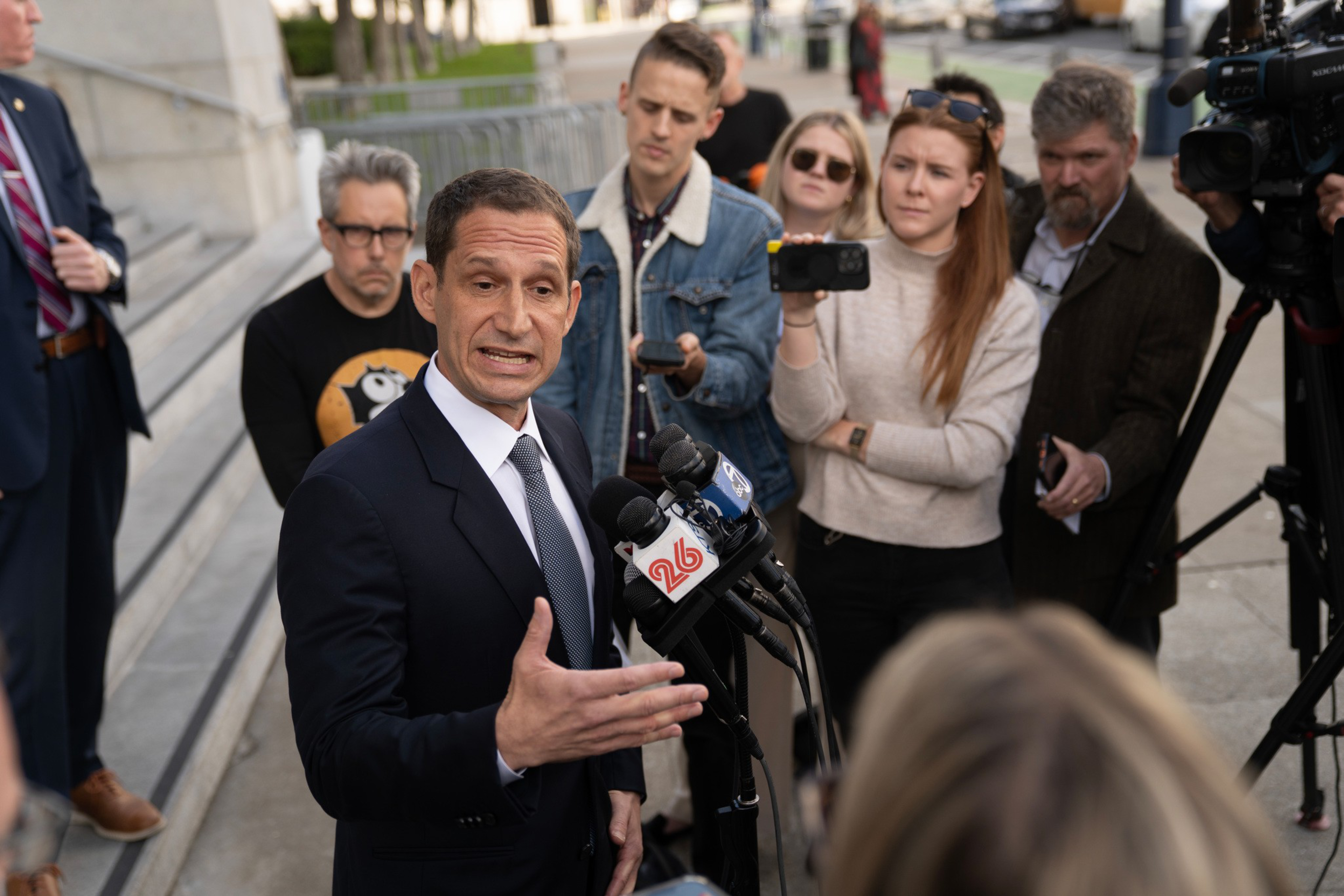 Mayor Daniel Lurie faces battles over balancing the budget and reforming the city charter. | Source: Minh Connors for The Standard
Another brouhaha is already forming over a ballot measure to reform the city’s behemoth charter, which runs more than 500 pages. Lurie and his moderate allies argue that changes to the charter are necessary to clear out the bureaucratic clutter that renders San Francisco’s government inefficient and complicates the lives of roughly 830,000 residents. But progressives are almost certainly going to frame the reform as a mayoral power grab, teeing up a fight between the two blocs.
Can moderates maintain control?
After years of progressive control of the Board of Supervisors, the 2024 elections handed moderates their turn at power. Whether they can maintain their slim majority will be the main question during the 2026 elections, when five supervisor races will be on the ballot.
The District 2 race to represent wealthy north-side neighborhoods like the Marina and Pacific Heights is shaping up to be an expensive showdown between incumbent Supervisor Stephen Sherrill, a YIMBY ally, and neighborhood activist Lori Brooke, who opposed Lurie’s plan for more development in the city.
Expect the turmoil over the Great Highway’s future that consumed District 4 this year to continue into 2026. Following Supervisor Joel Engardio’s recall, Lurie’s appointed supervisor, Alan Wong, will have to defend the seat in a June special election before the November general election. Wong faces tough challengers in progressive City Hall staffer Natalie Gee, moderate merchant leader Albert Chow, and educator David Lee.
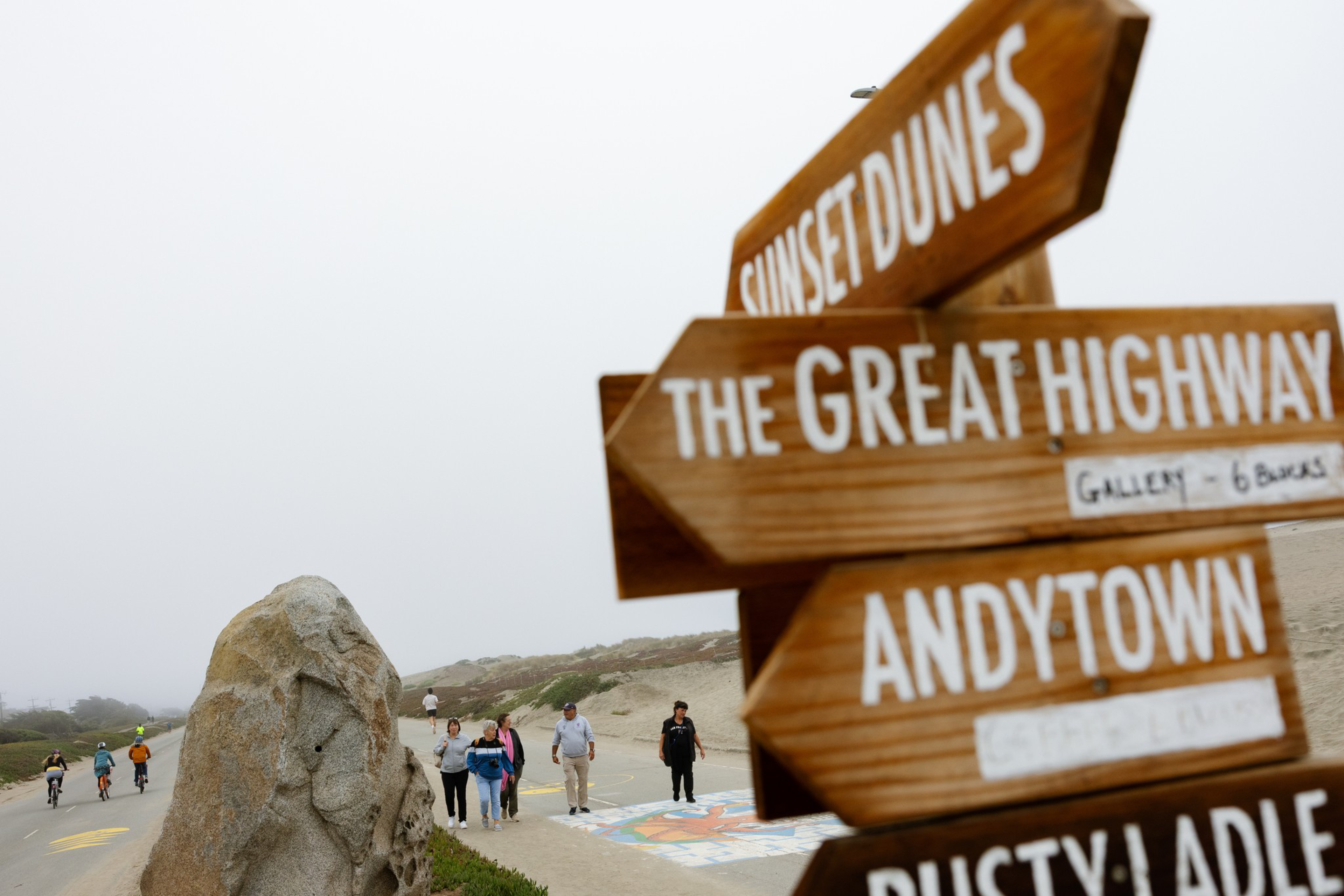 The turmoil around the Great Highway will continue into 2026. | Source: Manuel Orbegozo for The Standard
Meanwhile, District 6 Supervisor Matt Dorsey, another mod, could cruise to reelection. He is running uncontested — so far. Snooze.
The impending departure of Board of Supervisors President Rafael Mandelman due to term limits has activated a field of high-profile candidates to represent District 8, which includes the Castro. Among them are Manny Yekutiel, a civic engagement leader and owner of an eponymous Mission café, Pelosi protégé and drug recovery advocate Gary McCoy, and Democratic County Central Committee official Michael Nguyen.
Term limits will also force Shamann Walton out of office. As District 10 supervisor, Walton represents Bayview-Hunters Point, one of the city’s last Black strongholds.
Among those running so far: Bayview Opera House director Theo Ellington and attorney and former Board of Appeals commissioner J.R. Eppler. Young Community Developers CEO Dion-Jay (DJ) Brookter is expected to run, and housing nonprofit advocate and former City Hall staffer Bill Barnes is also considering a bid. (DCCC member Cedric Akbar said he is no longer running after previously considering a campaign (opens in new tab).)
Who will replace Newsom?  Gov. Gavin Newsom, seen in an interview with The Standard’s “Pacific Standard Time” podcast, has sparked a succession race. | Source: Amber Pietz/The Standard
It’d be an avoidable outcome if any of the Democrats had Newsom’s star power to propel them to the top of the pack. But none of the frontrunners — including former Orange County Rep. Katie Porter, East Bay Congressman Eric Swalwell, and former L.A. Mayor Antonio Villaraigosa — has broken through and taken a clear lead.
That Democratic division has paved the way for the race’s top two GOP candidates, former FOX host Steve Hilton and Riverside County Sheriff Chad Bianco, to take what seem like commanding positions in several polls (opens in new tab).
Taxes on taxes on taxes
San Francisco voters are routinely asked to weigh in on controversial ballot measures — and 2026 will be no different. Next year’s theme: taxes.
Lurie is leading an effort to put a parcel tax before voters in November to raise funds for the Muni transit system, which faces a fiscal cliff due to pandemic-related shortfalls. Wiener, meanwhile, has championed a regional tax measure to shore up much-needed funding for the Bay Area’s broader transit systems.
 Salesforce would face an increased tax under the Overpaid Executive Act. | Source: Amanda Andrade-Rhoades/The Standard
Perhaps the most controversial of the measures under consideration is one that unions are pushing for the November ballot to increase taxes on mega-wealthy companies. Supporters of the Overpaid Executive Act say it will inject hundreds of millions into the city’s nearly empty coffers. But it has sparked intense anxiety in the mayor’s office and among the business class over concerns that it could drive companies out of San Francisco. (A separate proposed state-wide ballot measure for a new wealth tax on billionaires has generated similar warnings.) Meanwhile, the business community is floating a retaliatory measure that would lower taxes for companies.
The number of tax measures could backfire if voters feel burdened by too many requests to open their wallets and shell out even more despite living in one of the nation’s most expensive cities.