
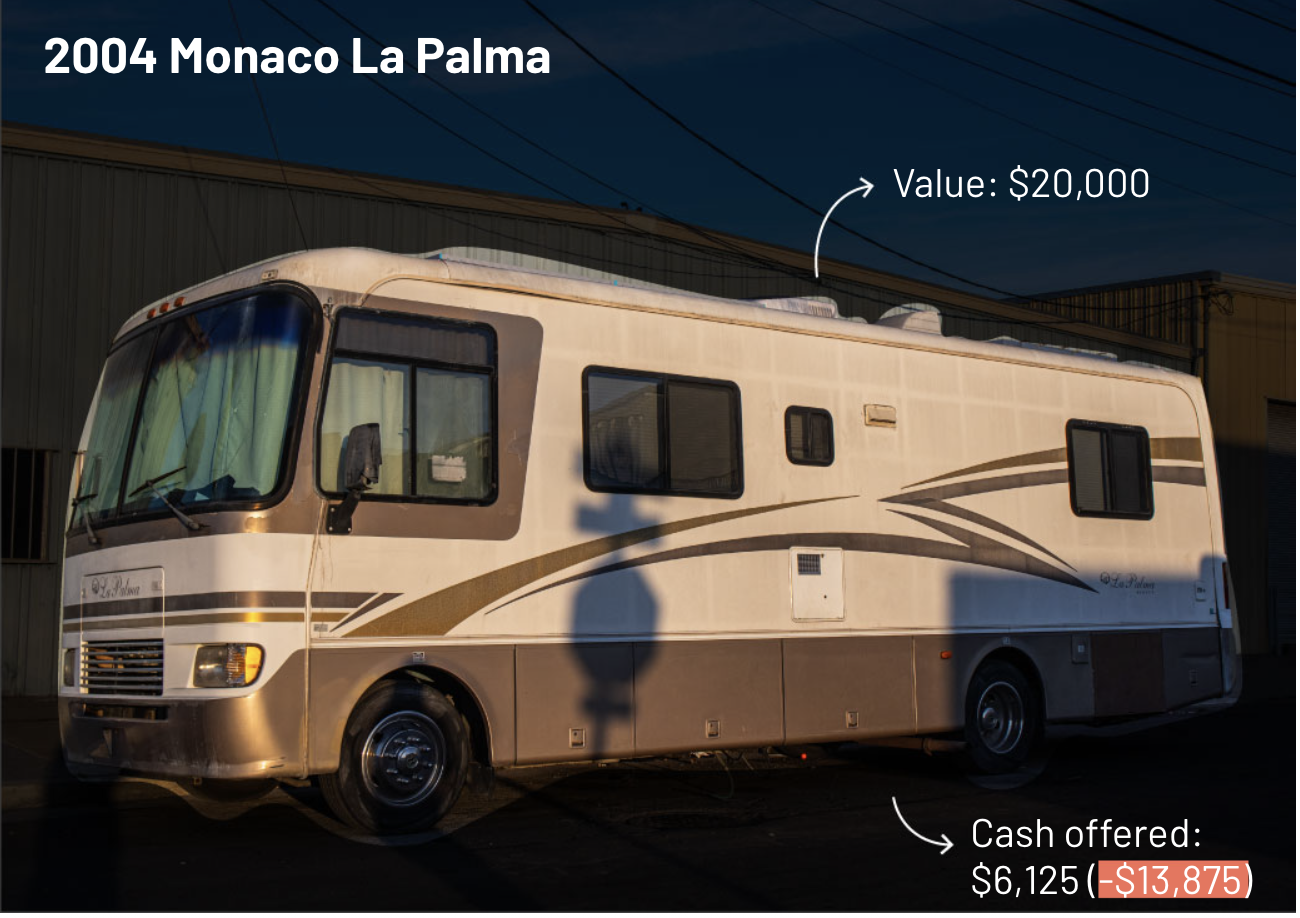
Within city limits of the most expensive rental market in the nation sits dozens of mobile homes.
Tucked between San Francisco’s warehouses and the southeast corner of the bay, those homes have become an affordable and private alternative to the housing market or congregate shelter for nearly 500 San Franciscans. At least so far.
As Mayor Daniel Lurie’s RV ban goes into effect this winter, those residents face difficult choices: leave San Francisco, or trade in their vehicles for an offer of subsidized housing from the city.
Those who could prove they had been living in their RVs within the city prior to a city-wide survey conducted last May and successfully obtained a temporary permit are eligible to sell their vehicle to the city for $175 per square linear foot, and the promise of access to subsidized housing.
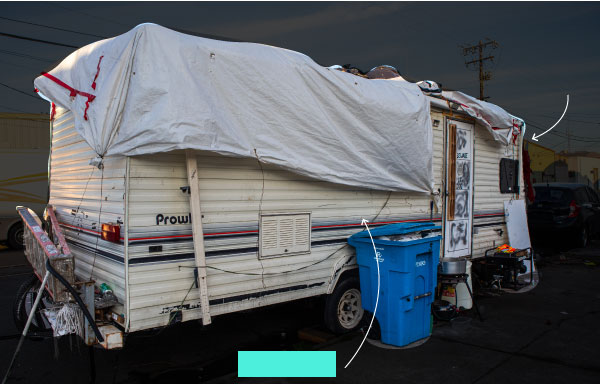
That can be a good deal. Most of the RVs in San Francisco are decades-old used vehicles, many with duct tape plastered over missing windows, others rendered immobile, and may only be valued as junk metal. But some are newly minted, lengthy camper-vans, with often multiple family members living inside, some of them small children.
For those who inherited their vehicle, or are living in RVs that are broken down and immobile, the offer is a chance at subsidized housing that often has a waitlist hundreds of people long.
But for others, some of whom spent upwards of $20,000 dollars on their vehicles, the city’s offer is not enough — especially when the limited-time housing subsidy runs out.
The majority of RV users who spoke with Mission Local are employed in regular, low-paying jobs. They often bought RVs because it seemed, at the time, a cost-effective way of staying in the city. Many said they spent almost all of their savings on the purchases, or are still busy paying them off in monthly installments.
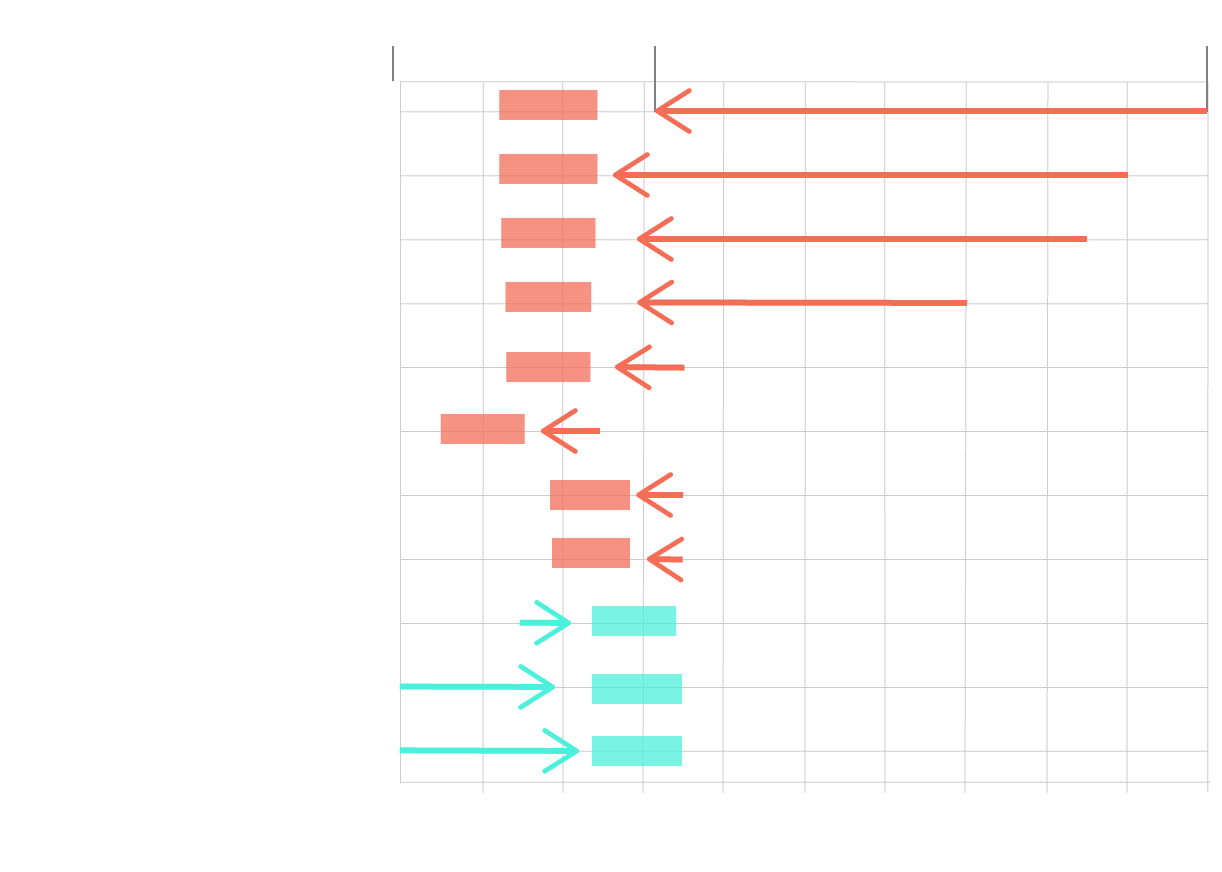
Mission Local surveyed over a dozen RVs parked across the city, comparing the amount offered by the city to the average price sold for the vehicle’s make and model.
Over half of those vehicles were worth thousands of dollars more than the city’s offer. But even those who paid roughly the same amount as the average price the city has offered for an RV, approximately $3,500, have reported that they have paid thousands more in upkeep.
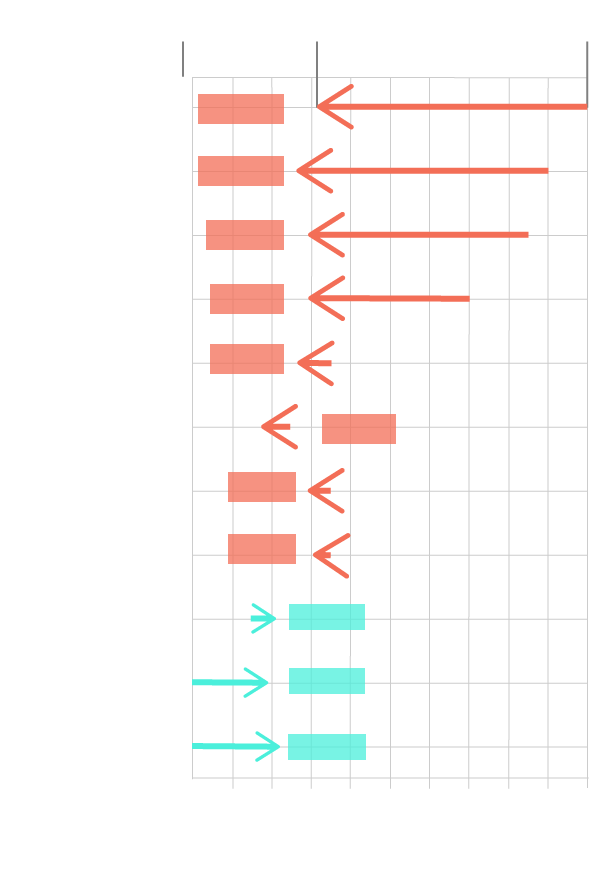
Many RV owners would lose money with S.F.’s cash back program
1999 Winnebago Adventurer
1997 Gulf Stream Scenic Cruiser
1999 Winnebago
Adventurer
1997 Gulf Stream
Scenic Cruiser
Graphic by Kelly Waldron. Data based on reporting by Marina Newman and RV listing prices from RV Trader. The cash offered varies based on vehicle square footage.
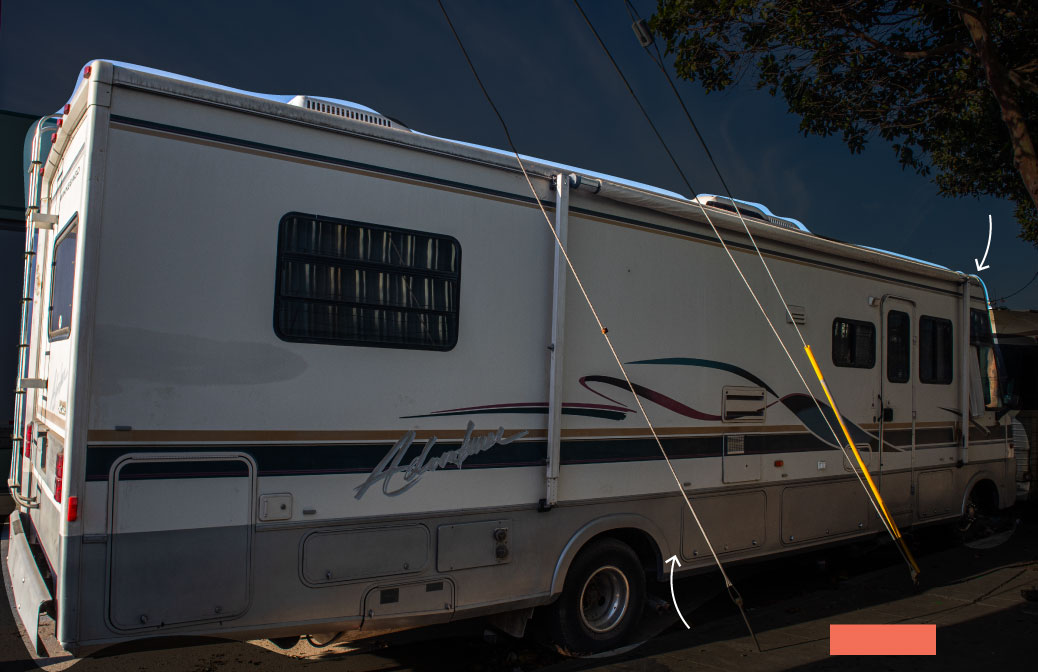
1999 Winnebago Adventurer
Cash offered:
$5,950 (-$8,050)
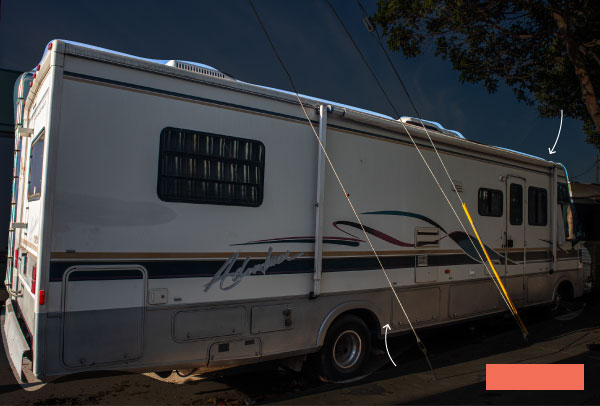
1999 Winnebago Adventurer
Cash offered:
$5,950 (-$8,050)
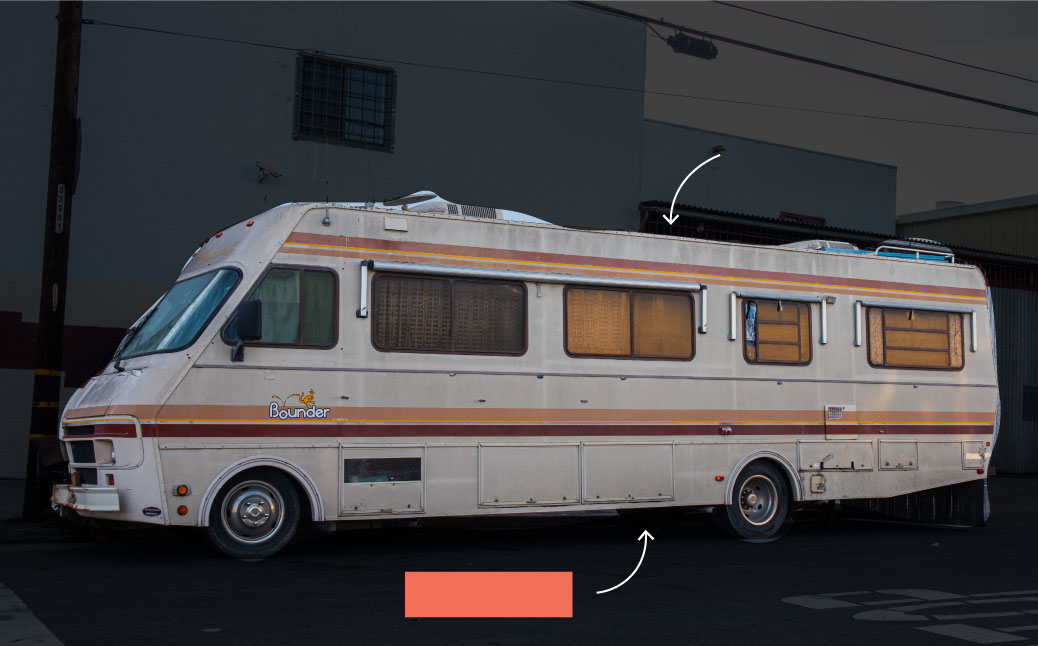
Cash offered: $5,950 (-$1,050)
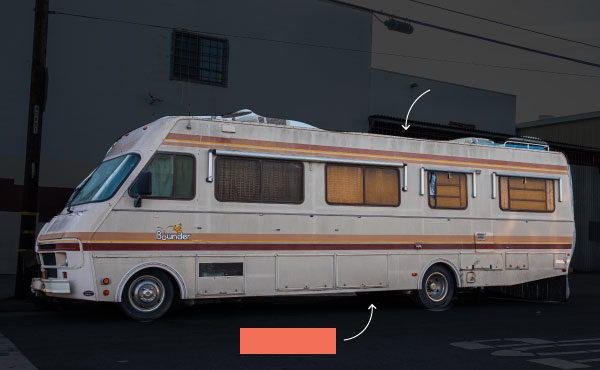
Cash offered: $5,950 (-$1,050)
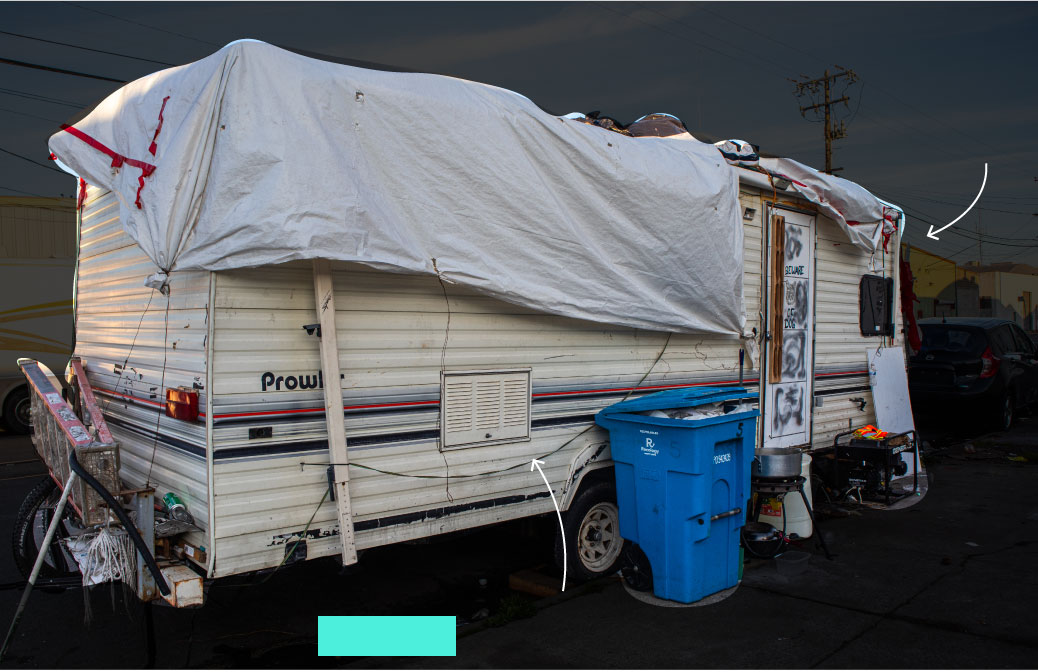
Cash offered: $4,375 (+$4,375)
Cash offered: $4,375 (+$4,375)