
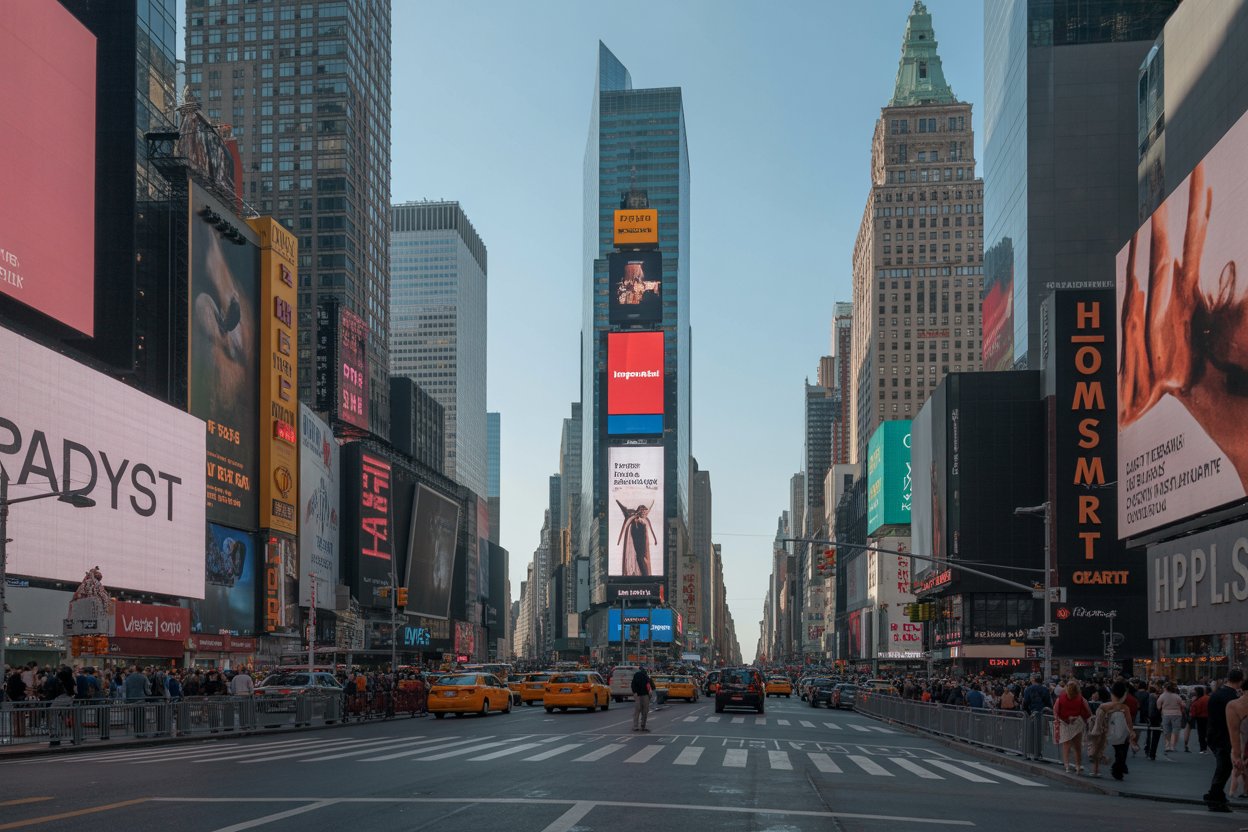
Home » Latest Travel News » Pennsylvania Joins California, Florida, Georgia, Colorado and Others in Facing a Surge in Alternative Tourism Across US as Travelers Choose Philadelphia, Oakland, Palm Beach, Asheville Over New York, San Francisco, Miami, Denver
Published on
January 6, 2026
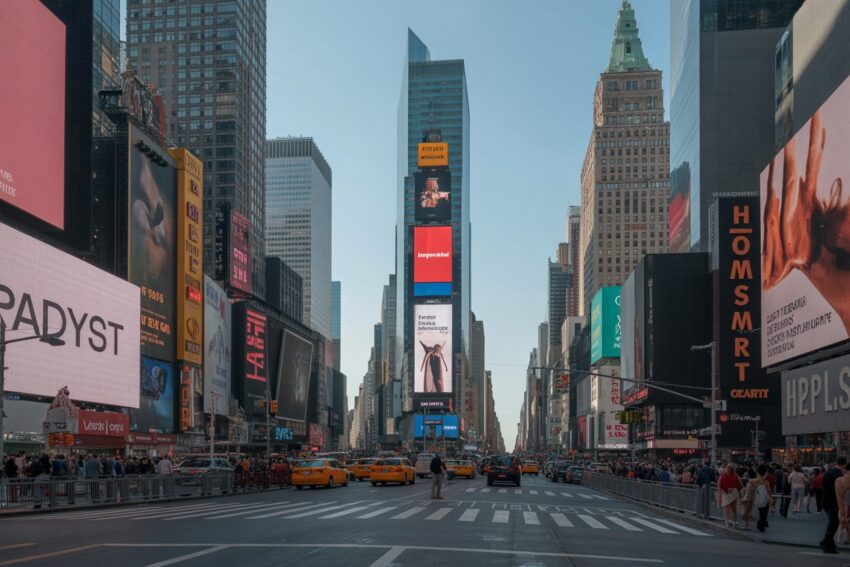
In 2026, Pennsylvania Joins California, Florida, Georgia, Colorado, and Other U.S. States in Facing a Surge in Alternative Tourism. Travelers Are Choosing Philadelphia, Oakland, Palm Beach, and Asheville Over New York, San Francisco, Miami, and Denver, Seeking Affordability, Fewer Crowds, and Authentic Experiences. This shift toward secondary cities marks a significant change in the U.S. tourism landscape, as travelers increasingly seek destinations that offer the same cultural richness, natural beauty, and local charm as major metropolitan hubs, but at a fraction of the cost and with fewer crowds. States like Pennsylvania, California, Florida, Georgia, and Colorado are seeing an influx of visitors heading to cities like Philadelphia, Oakland, Palm Beach, and Asheville, drawn by their affordability, walkability, and unique local experiences. These cities are quickly becoming the preferred choice for tourists who want to explore without the overwhelming saturation of mass tourism, allowing travelers to enjoy a more authentic, intimate connection with their surroundings. The rise of alternative tourism reflects a growing desire for sustainable, budget-conscious travel, and these secondary cities are well-positioned to offer just that.
Philadelphia, PA: The New York Alternative for Culture and Savings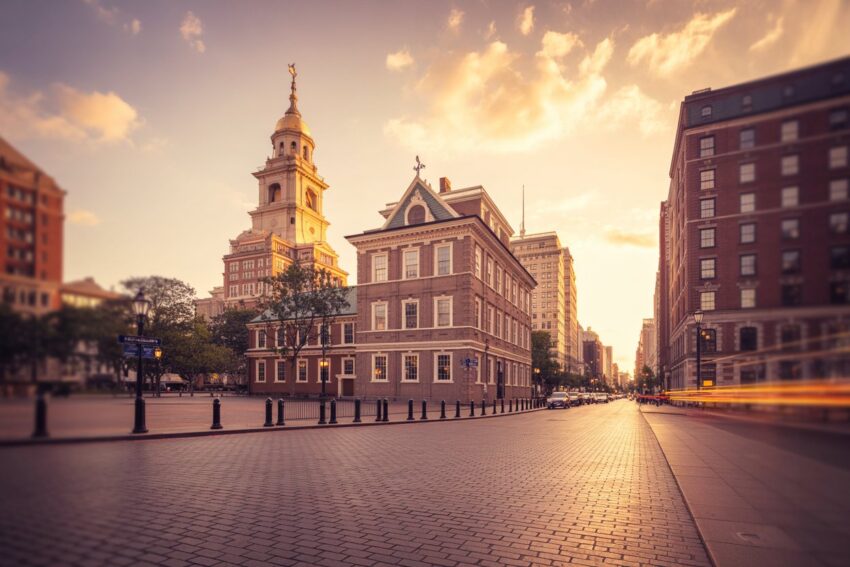
Philadelphia has seen a resurgence in tourism as travelers move away from the high costs and overcrowded streets of New York City. In 2025, Philadelphia experienced a 20% increase in hotel bookings, driven by the city’s rich cultural offerings, including the Liberty Bell, the Philadelphia Museum of Art, and a burgeoning food scene. Average hotel prices in Philadelphia are approximately 25% lower than those in New York City, where nightly rates now average around $450. In comparison, visitors to Philadelphia can expect to pay around $320 per night.
The city’s walkability, affordable accommodations, and proximity to New York City—just 90 minutes by train—make it a prime alternative for travelers seeking a less congested, more affordable destination. Tourism in Philadelphia has also been fueled by its focus on “local authenticity,” with the city seeing a 15% increase in bookings for cultural experiences and off-the-beaten-path tours. As New York City grapples with over-tourism and high costs, Philadelphia has firmly established itself as a top secondary destination for those looking to explore American history and culture without the overwhelming crowds.
Oakland, CA: A Budget-Friendly San Francisco Alternative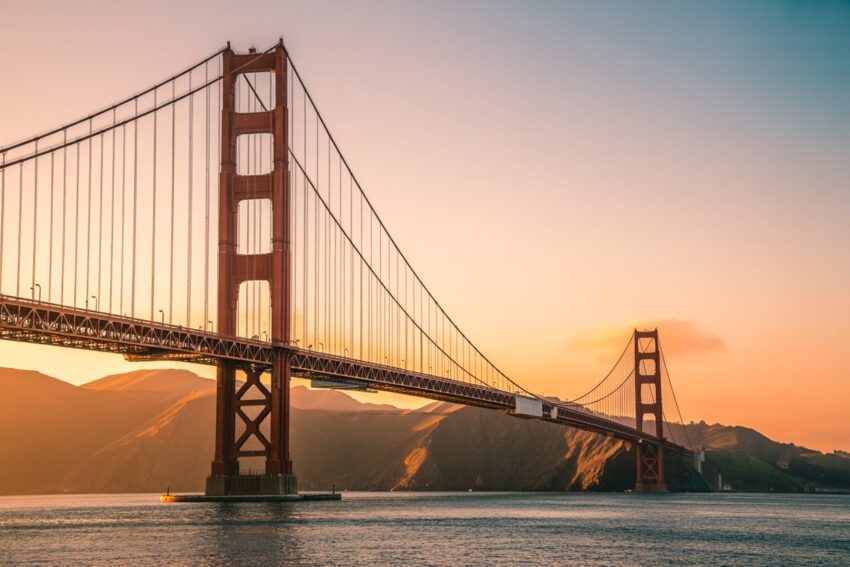
As San Francisco continues to struggle with high costs and overcrowding, Oakland, California, has become an affordable and culturally rich alternative. In 2025, Oakland saw a 15% increase in tourism bookings, driven by its rapidly expanding food scene, vibrant arts community, and proximity to San Francisco. With average hotel rates in San Francisco at $350 per night, Oakland offers visitors a more budget-friendly option, with hotel prices averaging $240 per night.
Oakland is also gaining attention for its unique neighborhoods, ethnic diversity, and growing culinary reputation. The city’s vibrant dining scene, driven by an influx of immigrant-owned restaurants, has seen a 10% increase in food tourism over the past year. As travelers seek to avoid the high costs and crowds of San Francisco, Oakland’s more affordable accommodations and authentic local culture make it a compelling secondary destination. With its close proximity to San Francisco and a rapidly evolving cultural landscape, Oakland is poised to continue its rise as a major secondary city for tourists looking for a more budget-conscious yet culturally rich experience.
West Palm Beach, FL & Fort Lauderdale, FL: Refined Alternatives to Miami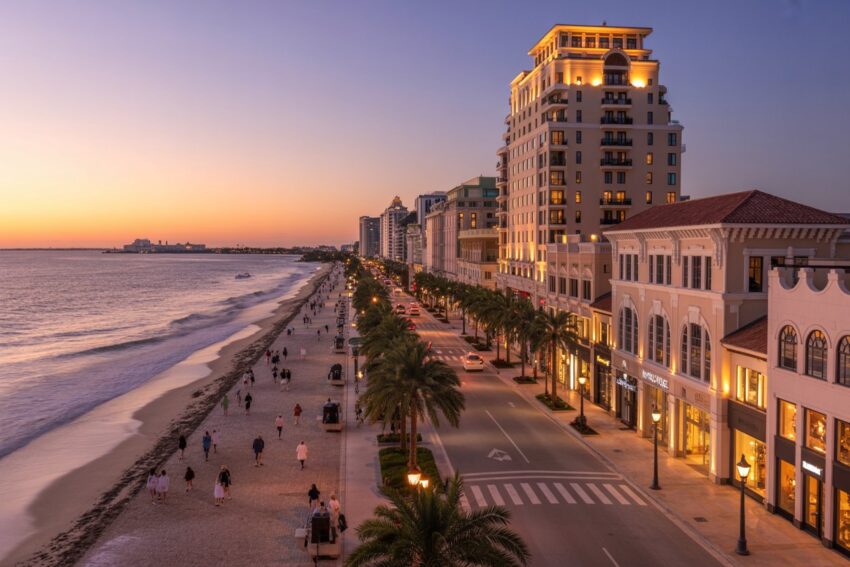
In Florida, West Palm Beach and Fort Lauderdale are seeing a surge in bookings as travelers move away from the chaos of Miami. West Palm Beach saw an 18% increase in hotel bookings in 2025, as tourists opt for a quieter, more upscale experience. Airfares to West Palm Beach are on average 35% cheaper than to Miami, making it a more affordable entry point for tourists coming from the Northeast. With its luxury resorts, cleaner beaches, and a growing arts and culinary scene, West Palm Beach has become a prime destination for those looking to avoid Miami’s high prices and traffic congestion.
Similarly, Fort Lauderdale experienced a 30% increase in tourism, largely due to its rebranding from a spring break destination to a sophisticated, family-friendly resort town. With average hotel prices in Miami hovering around $400 per night, Fort Lauderdale’s prices are about 25% lower, with a typical hotel stay costing around $300. The addition of the Brightline high-speed rail has made it even easier for travelers to enjoy the best of both cities, driving Fort Lauderdale’s growth. These secondary cities are capitalizing on Miami’s saturation, offering both luxury and tranquility while maintaining close proximity to the larger city’s major attractions.
Savannah, GA & Charleston, SC: Southern Charm with a Twist
Savannah, Georgia, has seen an extraordinary rise in popularity, as travelers pivot from the increasingly saturated Charleston, South Carolina. In 2025, hotel bookings in Savannah increased by 25%, driven by its charm, historic architecture, and picturesque oak-lined streets draped with Spanish moss. Hotel rates in Savannah are on average 20% cheaper than Charleston, which has witnessed a slight dip in visitors, with a 5% decrease in bookings last year due to the high prices and overcrowding.
Savannah offers visitors the same historic allure and Southern hospitality as Charleston, but at a significantly lower price point. The city’s booming food scene and growing arts district are major draws, with food and beverage revenues increasing by 12% year-over-year. As Charleston’s rising hotel prices—averaging $300 per night—continue to push tourists to seek more affordable alternatives, Savannah stands as a more accessible destination, with average hotel rates around $240 per night. This shift reflects the growing trend of travelers seeking cultural richness without the exorbitant costs and overcrowding typical of 1st-tier cities.
Asheville, NC: A Mountain Escape for Craft Beer Lovers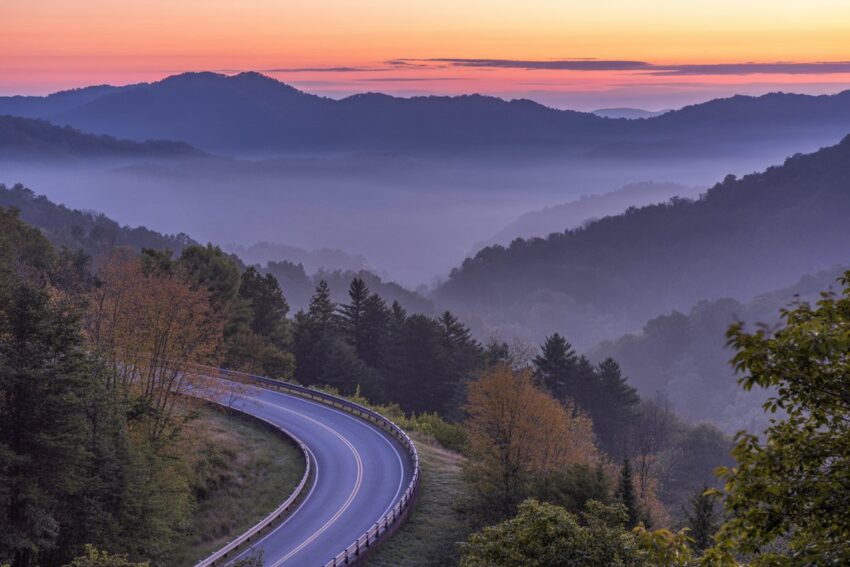
Asheville, North Carolina, has quickly emerged as a top destination for those seeking the mountain lifestyle of Denver or Boulder without the overwhelming crowds and high costs. In 2025, Asheville saw a 22% increase in tourism bookings, driven by the city’s burgeoning craft beer scene and easy access to the Blue Ridge Parkway. The city boasts over 30 craft breweries, contributing to a 15% year-over-year growth in beer tourism, and attracting visitors who are eager for an authentic, laid-back vibe with abundant outdoor activities.
With hotel rates in Asheville averaging $220 per night—nearly 30% lower than those in Denver—travelers are flocking to this affordable mountain oasis. The city’s rise can also be attributed to its growing wellness tourism sector, with bookings for nature-based and spa retreats increasing by 18% in the past year. Asheville offers travelers proximity to nature, a thriving arts community, and a vibrant food scene, all while avoiding the high costs and traffic congestion of Denver, where average hotel prices reach $350 per night. As more travelers seek a balance between adventure and relaxation, Asheville’s appeal continues to soar.
Tulsa, OK: The Unexpected Cool City of the Midwest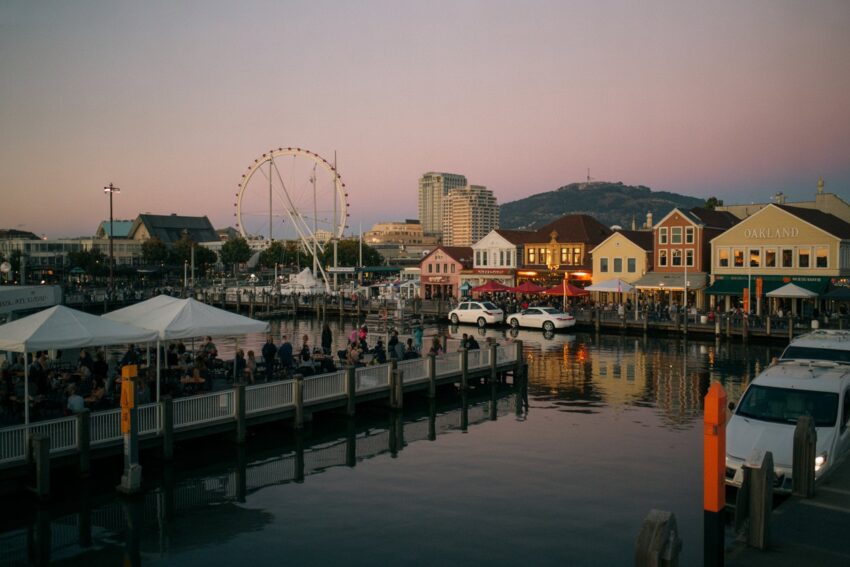
Tulsa, Oklahoma, is rapidly becoming a favorite among travelers looking for a fresh, undiscovered destination. In 2025, Tulsa experienced a 18% rise in tourism, driven largely by millennials and Gen Z travelers seeking authentic, off-the-beaten-path experiences. The city’s investment in public spaces, including the $400 million Gathering Place park, has sparked a cultural renaissance, with public space tourism increasing by 25% in the past year.
Tulsa’s affordable cost of living also plays a key role in its popularity. The average hotel price in Tulsa is just $160 per night, more than 40% cheaper than Austin, Texas, which has seen a dramatic increase in tourism prices, with average hotel costs now exceeding $350 per night. Tulsa’s mix of cultural and outdoor experiences, including a deep-rooted music heritage and expanding culinary scene, makes it a standout alternative for those seeking a new, undiscovered city at a fraction of the cost of major hotspots like Austin. The city’s transformation from a quiet Midwestern town to a hip, cultural destination demonstrates the growing appeal of secondary cities that offer authentic local experiences.
Why Secondary Cities are Thriving Now
The rise of secondary cities is more than just a reaction to overcrowding and rising costs in primary hubs. It reflects a broader shift in traveler preferences toward more affordable, authentic, and walkable destinations. Secondary cities like Savannah, Asheville, and Philadelphia offer the cultural richness and local experiences that today’s travelers crave, but without the saturation of mass tourism. With hotel rates that are 20-40% cheaper than primary cities, and increased access to local attractions and nature-based experiences, secondary cities are quickly becoming the preferred choice for budget-conscious travelers. As the tourism industry embraces sustainability and authenticity, these cities are uniquely positioned to thrive, offering visitors an escape from the over-commercialized tourist traps of major metropolitan areas.
In 2026, Pennsylvania joins California, Florida, Georgia, Colorado, and other U.S. states in facing a surge in alternative tourism. Travelers are choosing Philadelphia, Oakland, Palm Beach, and Asheville over New York, San Francisco, Miami, and Denver, seeking affordability, fewer crowds, and authentic experiences.
Conclusion
Pennsylvania’s inclusion alongside California, Florida, Georgia, Colorado, and other U.S. states in the surge of alternative tourism highlights a significant shift in travel trends. As travelers increasingly choose Philadelphia, Oakland, Palm Beach, and Asheville over major cities like New York, San Francisco, Miami, and Denver, the demand for more affordable, less crowded, and authentic experiences continues to grow. This shift reflects a broader desire for unique destinations that offer cultural richness and value without the challenges of overcrowded tourist hotspots. These secondary cities are capitalizing on this change, providing travelers with memorable and enriching experiences while contributing to the local economy and tourism infrastructure.
