
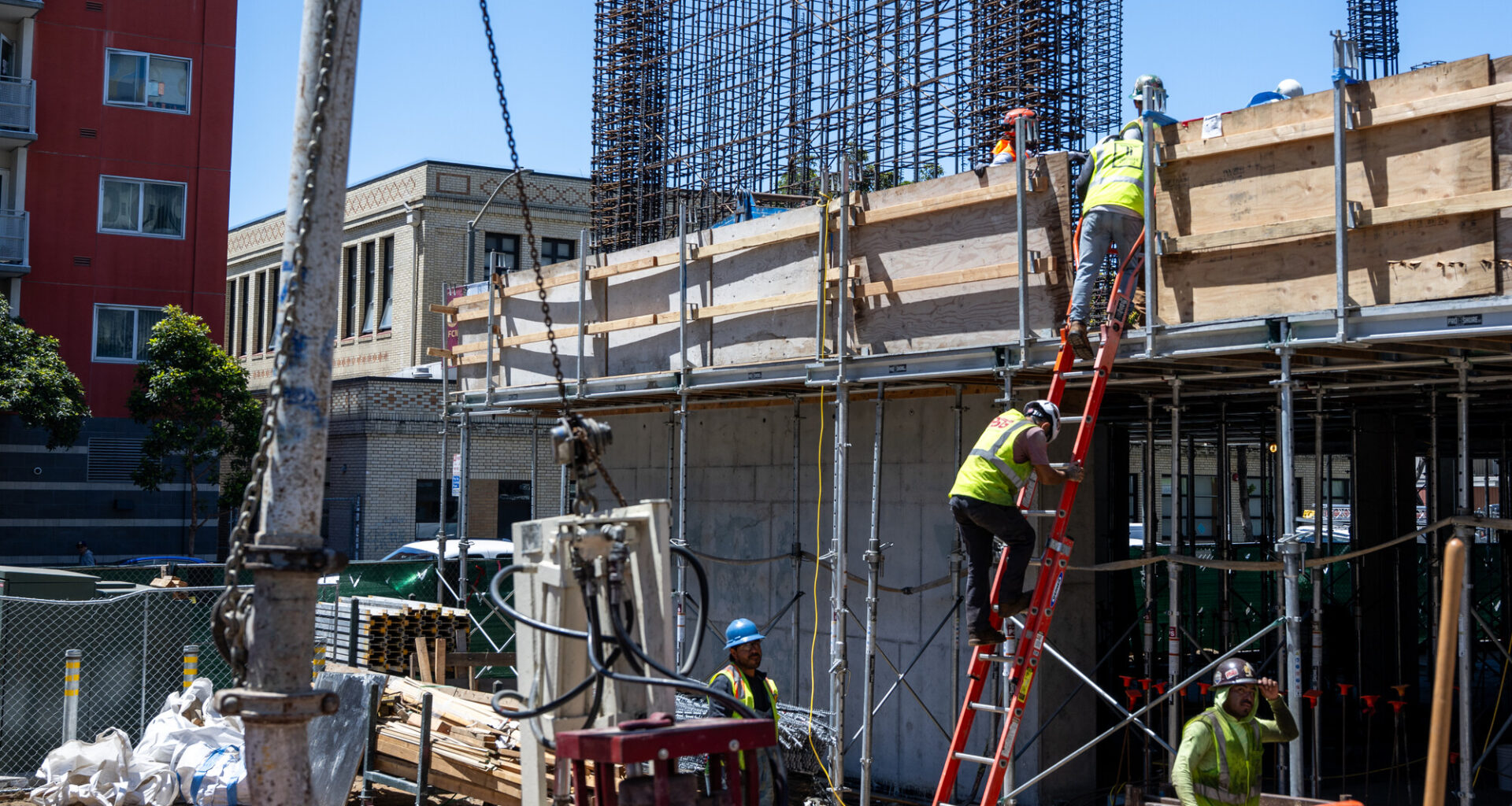
While many of the new laws focus on creating new housing, tenant rights advocates argue the state needs to do more to keep existing housing stock affordable. Zach Murray, the state campaign coordinator for tenants rights organization Alliance of Californians for Community Empowerment, said they hope to gain ground for renters this year by advancing bills that stalled in committee in 2025.
“With new construction… any promise of affordability that comes from getting more units is five to ten years down the line,” he said. “We know that folks are struggling right now.”
Keep reading for some of the 2026 laws that will impact housing construction and renters this year:
Reforms to California’s landmark environmental law
Some of the biggest laws to go into effect this year deal with the California Environmental Quality Act, also known as CEQA. The law applies to most developments — think parks, apartments, hospitals and most everything in between — and requires developers to evaluate whether their project negatively impacts the environment, and make changes to mitigate those impacts.
For years, critics argued that CEQA complicated and prolonged the development process, making building more expensive and difficult, and stalling crucial infrastructure projects.
 Gov. Gavin Newsom speaks next to Attorney General Rob Bonta during a press conference on Sept. 4, 2024, in Sacramento. (Sophie Austin/AP Photo)
When Gov. Gavin Newsom finalized last year’s budget, he included two bills that exempted certain projects from CEQA review. AB 130 exempts urban infill housing while SB 131 exempts other types of projects, including those related to high-speed rail, childcare centers, wildfire mitigation and advanced manufacturing.
Lewis said the two bills would have likely died in committee in previous years, but as more people, including lawmakers, feel the pinch of the state’s housing affordability crisis, controversial bills have a better chance of getting passed.
“Now Californians are getting increasingly attenuated, not just to the nature of the shortage, but the fact that, at the root, we have to build a lot more homes,” he said.
Reshaping how housing is built near transit
The other big bill to come out of 2025 was SB 79, authored by State Sen. Scott Wiener, D-San Francisco. The bill was seven years in the making, with Wiener introducing three versions that all failed to win approval.
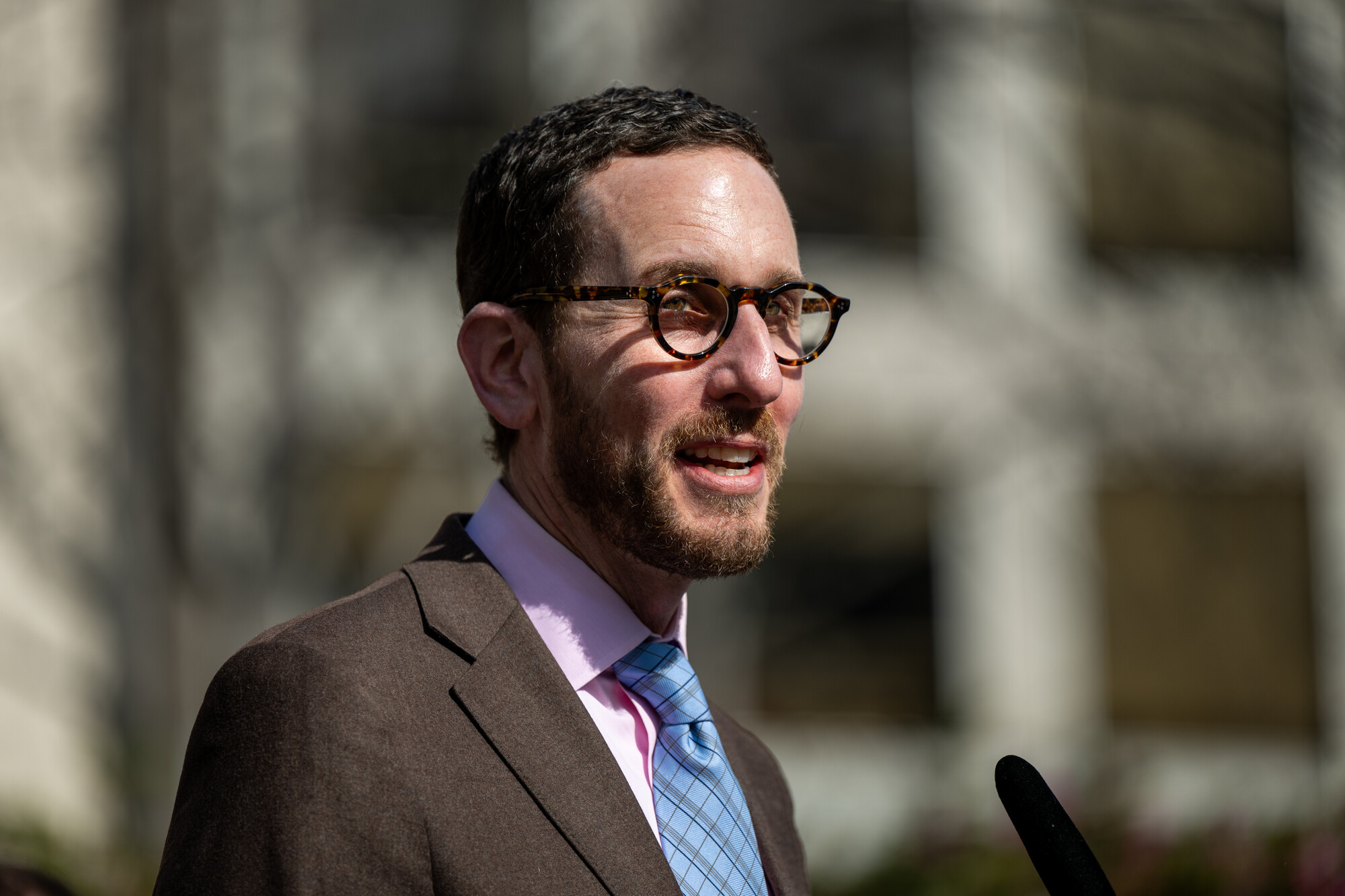 Sen. Scott Wiener speaks during a press conference in Union Square, San Francisco, on Feb. 18, 2025. (Beth LaBerge/KQED)
Wiener hopes the version that made it across the finish line will help solve two issues: a lack of dense housing near public transit stops and low transit ridership since the pandemic.
It allows apartment buildings up to seven stories tall, if they’re within a quarter mile of certain train stations. The bill also tries to encourage housing development near light rail stations and busy bus stops.
Building more teacher housing
Some laws going into effect this year aim to empower schools to quickly build housing on their land. AB 1021 would make it easier for school districts and other local educational agencies to develop educator workforce housing on property they own.
In a similar vein, AB 648 states that community colleges don’t have to comply with local zoning rules if they are building university housing on property they own.