
By Benjamin Allen, Special for CalMatters
This commentary was originally published by CalMatters. Sign up for their newsletters.
Guest Commentary written by
With the first anniversary of the devastating Southern California wildfires approaching, CalMatters asked candidates for the 2026 state Insurance Commissioner race to share thoughts on what the state can do to help victims and stabilize insurers. This is the second response. Read the other candidate response here.
The messages started flowing in: A fast-moving fire was tearing through the Palisades. Families I grew up with and had represented in the State Senate for more than a decade were told to evacuate with just minutes’ notice. We had just started the new legislative session up in Sacramento, but I knew I needed to get back home.
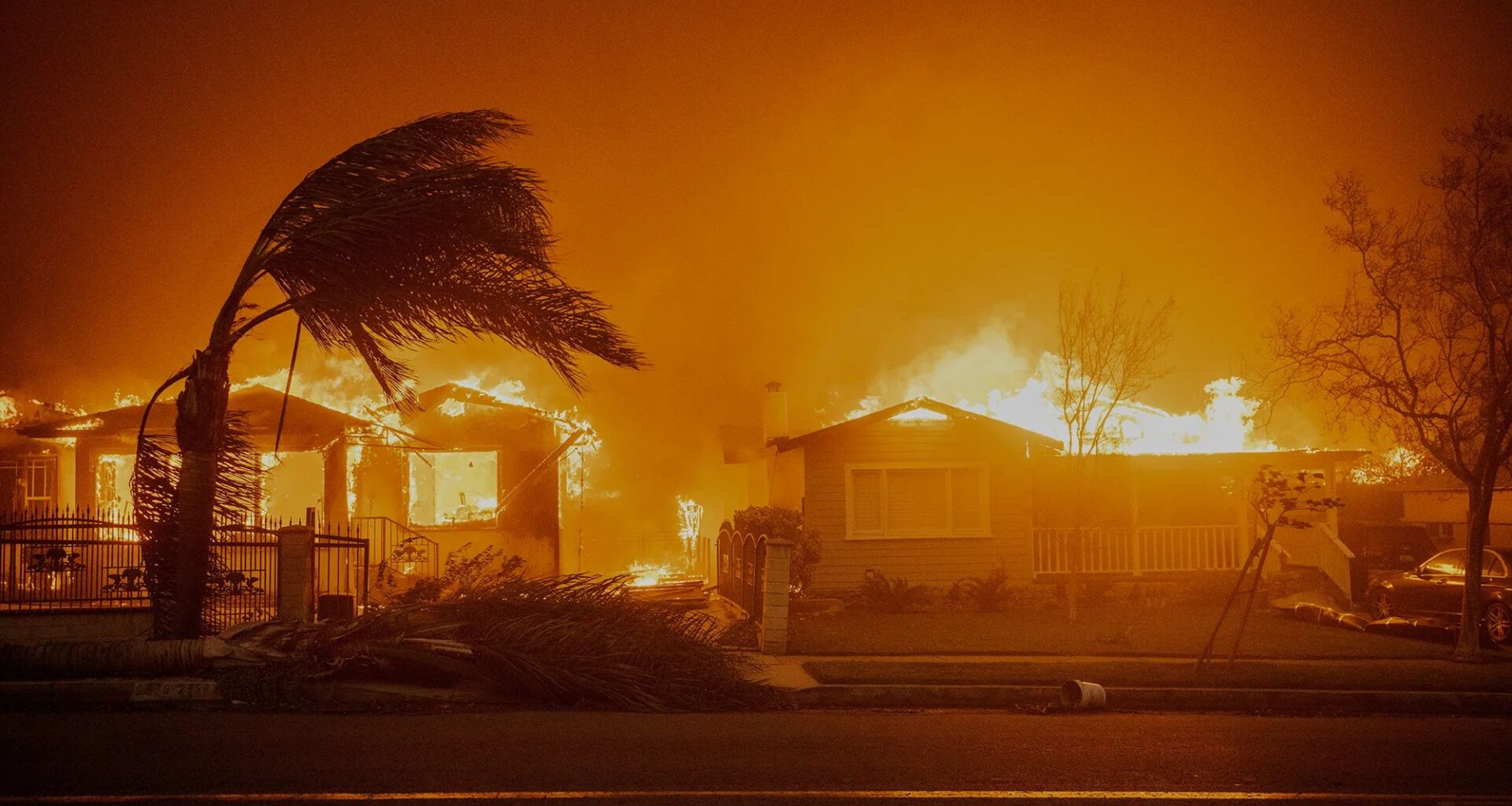
As I headed into town, the sky was lit up by the fire. The blaze was bright, red and hot. The smoke plume stretched for miles. We evacuated my mom, packed a go bag, and figured out contingency plans.
On the ground, it felt like a war zone. Ash coated the streets. The toxic smell of burned homes lingered everywhere. People stood outside evacuation centers staring at their phones, hoping for news that would tell them whether they still had a home to return to.
In the days that followed, my office was flooded with calls. Homeowners. Renters. Seniors on fixed incomes. People in mobile home parks who had lost everything and feared not only rebuilding costs, but losing their property rights altogether.
Again and again, I heard the same questions: Will my insurance pay? How long will this take? What happens if it doesn’t?
I got a front row seat to the dysfunction of our current insurance system. Our work went from helping people in the immediate aftermath of the fire to thinking about broader policy changes. This visceral experience of what so many of my friends, neighbors and constituents went through drove me to run for California Insurance Commissioner.
In the California State Senate, I’ve built a reputation for tackling difficult problems, and perhaps no problem in our state is as vexing as fixing our insurance system. It’s a system under severe strain, with the consequences falling hardest on those least able to absorb them.
Stabilizing the market, protecting ratepayers, and fixing the FAIR Plan are not abstract policy goals. They are essential if California is going to remain a place where people can live safely and securely. The current trajectory of the system threatens the future of our quality of life. And God forbid a disaster strikes, California must be a place where people can recover afterwards, rather than be forced out.
Stabilize the insurance market
Insurers need certainty to operate in California. Today, insurance companies wait years to get answers from the state, which creates instability that drives them to limit coverage or exit the market altogether.
We need to modernize how the state reviews insurance rates while preserving strong consumer protections. That means allowing responsible use of modern tools to predict wildfire risk and account for the actual cost of coverage, while dramatically speeding up state timelines so decisions are made in months, not years.
Faster does not mean weaker. It means clearer standards, better data and accountability on all sides. Stability also requires reducing real-world risk. Fireproofing works, but insurers price risk at the community level.
As Insurance Commissioner, I would push for neighborhood-scale fire prevention and risk reduction programs that lower losses across entire communities and make it possible for insurers to responsibly write policies again. Many parts of the state are already implementing these programs, and they’re working. We need to scale these — and quickly.
Protect consumers
Californians are already facing unaffordable housing, utilities and insurance. They deserve confidence that every rate increase is justified and transparent. California law gives the Insurance Commissioner power to reject unfair rate hikes, and I will use that authority aggressively.
Protecting ratepayers also means standing up for people after disasters. After the Palisades Fire, I saw families forced to navigate slow and opaque claims systems while trying to rebuild their lives. That is why I wrote the law requiring insurers to provide significantly higher upfront payments for personal property when a home is a total loss, rather than forcing survivors to itemize every possession.
We know we must do more. Among many things, we are currently looking into legislation that would create greater clarity and certainty with certain types of insurance coverage, including smoke damage post-fire.
Reform FAIR Plan
The FAIR Plan, the state’s backup insurer of last resort, was meant to be temporary but has tripled in size to now cover 450,000 residential policyholders. The program is driving up costs for all Californians who are being asked to bail it out.
In the short term, the FAIR Plan must be solvent and able to pay claims promptly, with improved governance and transparency.
In the long term, it must shrink. Homeowners who invest in making their homes safer should have a real path back into the private market with assurances they can regain coverage if their communities become fire safe. We also shouldn’t be building uninsurable new developments that are simply destined for the FAIR Plan and further public bailouts.
Standing in the Palisades, surrounded by smoke and uncertainty, it was clear what failure looks like. Insurance is not just a financial product; it is the foundation of recovery. Stabilizing the market, protecting ratepayers, and fixing the FAIR Plan are hard challenges, but they are solvable.
The candidate guest commentaries are being published in the order in which they were received.
This article was originally published on CalMatters and was republished under the Creative Commons Attribution-NonCommercial-NoDerivatives license.