
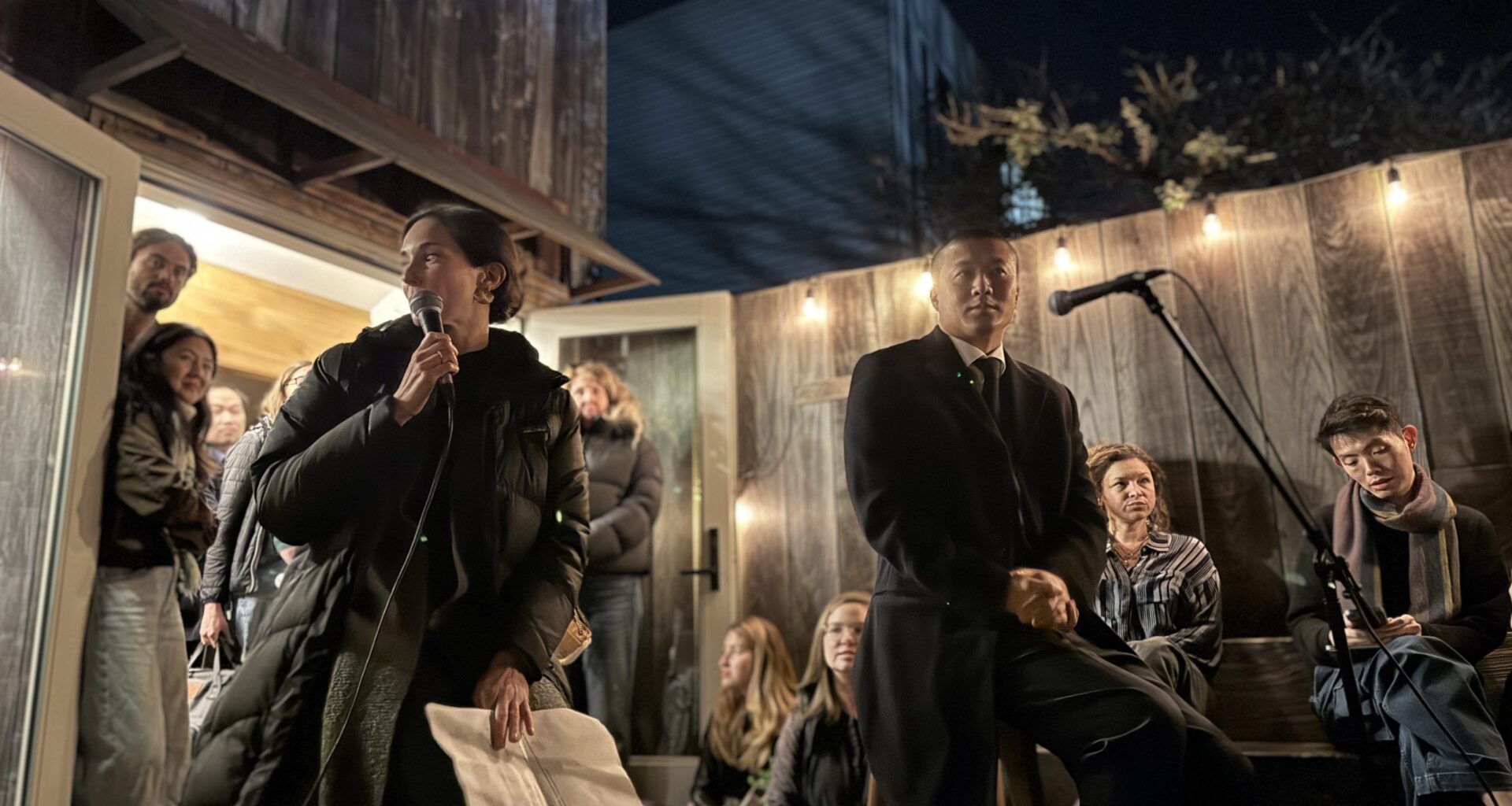
Alan Wong launched his second month in office as District 4 supervisor by telling the hundred or so of his constituents that he was committed to drafting a ballot measure to reopen the Great Highway to car traffic during weekdays.
He was already thinking about whether he would propose kicking cars off the road at noon, or at 6 p.m. on Fridays. Also: How would the ballot measure language address potential permit requirements from the California Coastal Commission? The commission voted unanimously in 2024 to approve closing the Great Highway’s to cars and turn it into a park.
“If we’re looking into getting Coastal Commission approval, there could be a need for the board to potentially amend the language later if necessary,” he said.
The specific language is still in the works, Wong added. But the clock is ticking: To get on the June ballot, Wong has to file the measure to the Department of Elections by next Tuesday, Jan. 13, with signatures from three other supervisors.
This did not go over well at Wednesday evening’s gathering at Black Bird Bookstore and Cafe.
The invite was mostly limited to supporters of the park, many volunteers of the Friends of Sunset Dunes group. The goal, the organizer said, is to let supporters “have a place to tell the supervisor why” they love the park and hear the supervisor’s reasoning.
A few park opponents listened outside the backyard entrance. But mostly, people huddled in the 50-degree weather through the hour-long meeting in beanies and puffer jackets, and testified their love of the 9-month-old park formerly known as the Great Highway.
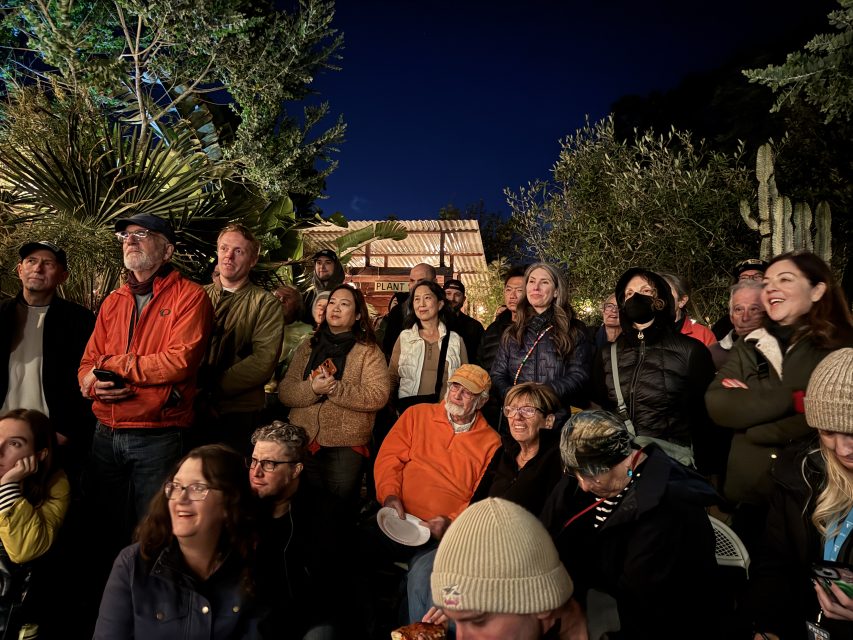 People gathered in the backyard of Black Bird Bookstore and Cafe for a meeting with District 4 Supervisor Alan Wong to discuss the Great Highway on Wednesday, Jan. 7, 2026. Photo by Junyao Yang.
“Cancer doesn’t stop on workdays,” said Mary, a 40-year Sunset resident who said the park has been essential to her recovery from the disease.
Rebecca, who addressed Wong with a baby strapped to her midsection, described how her toddler now uses “the hammock” or “the octopus” to refer to sections of the former road.
David, a self-described “old guy,” enthused over the multigenerational camaraderie of the new Sunset Dunes skate park.
Former District 4 Supervisor Joel Engardio, who supported the closure of the Great Highway and was recalled in the ensuing furor over it, stopped by to express his disapproval of bringing back cars.
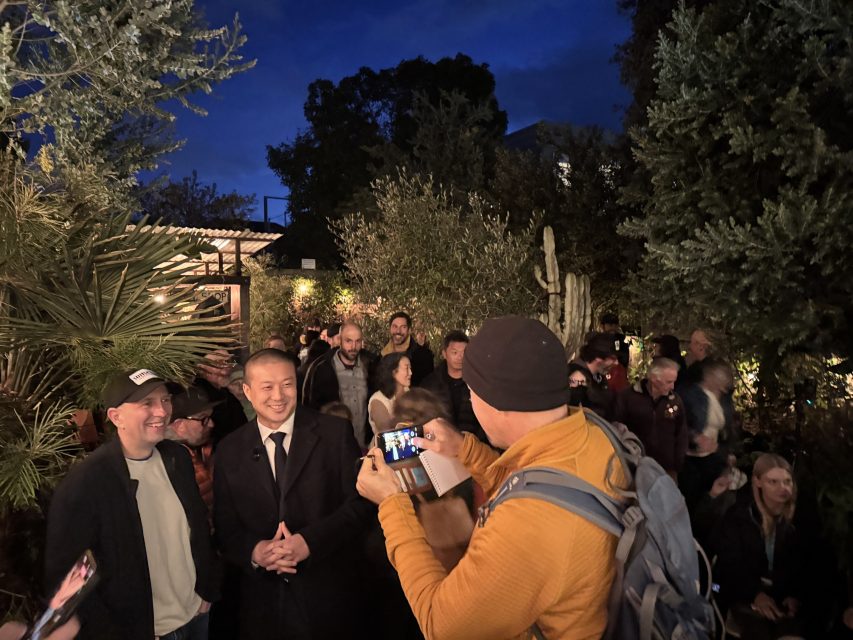 District 4 Supervisor Alan Wong and his predecessor Joel Engardio pose for a photo at a meeting organized by the organization Friends of Sunset Dunes on Wednesday, Jan. 7, 2026. Photo by Junyao Yang.
Since being appointed by Mayor Daniel Lurie in late November, Wong has faced a constituency divided by the closure of the Upper Great Highway. The division has led to a lawsuit challenging the proposition’s legality — though a judge dismissed the suit earlier this week.
When he took office, Wong vowed to listen to both sides of the debate, and then announced his support for a ballot measure to bring back cars back on workdays.
Connie Chan, the District 1 supervisor for the Richmond, was the first to float the idea last April, but now seems ready to let Wong lead the effort.
“It’s his district,” said Robyn Burke, Chan’s legislative aide. “Now there’s an election going on, and it’s a different landscape than it was early last year.”
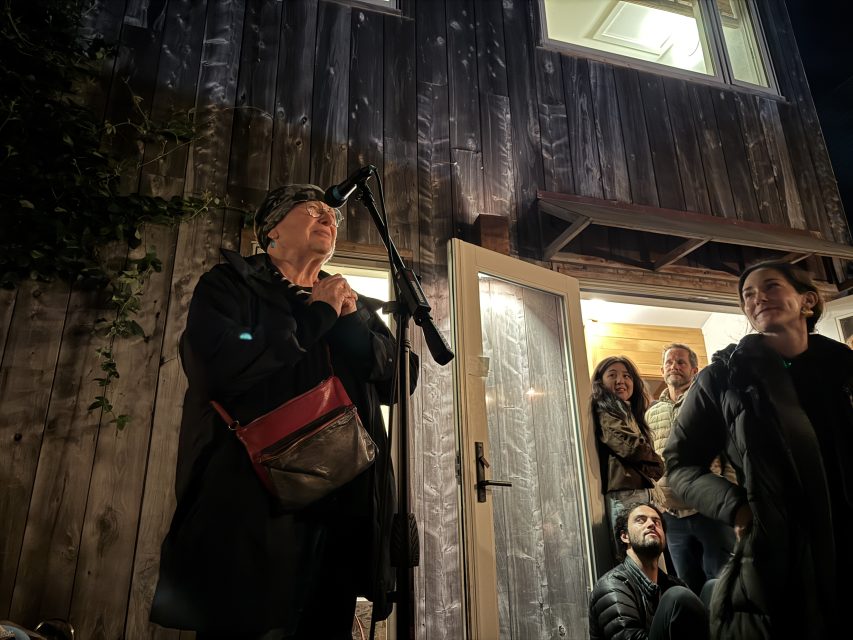 Mary, a 40-year Sunset resident, shares how her walks on Sunset Dunes help her healing from cancer treatment. Photo by Junyao Yang on Jan. 7, 2026.
Some suggested that Wong should worry about something else. “There’s a long list of things that we really need to focus on in this neighborhood,” said Kathryn Grantham, the Black Bird Bookstore owner. “The park is just not one of them.”
For example, had Wong considered how much it would cost to turn the park back into a functional road? Wong said he had looked into it but didn’t have exact numbers. He pointed to “a few million” costs for Sunset Dunes, which the park supporters said was inaccurate.
It cost over $1 million to create Sunset Dunes, about $700,000 of it public dollars. Returning it to a functional road would also come with costs, the park supporters said, like reinstalling traffic lights and removing park facilities like benches and a skate park.
“I expect there will be costs to reconfigure it,” Wong said. But it’s “a tradeoff that is worth it.”
Most of those gathered disagreed and the prospect of yet another ballot measure was frustrating.
“People who are active around the park also support things like more housing, better public transportation. This is an energized active group that really wants to work with him,” said Heidi Moseson, the event’s moderator. “I appreciate him saying he wants to work with us on this. But it still undermines trust.”