

The San Francisco Zoo is bleeding money, losing visitors, and running out of time. It isn’t just struggling — it’s failing on some of the most valuable public land in the city.
Attendance is down 40% since 2019. The zoo is posting multimillion-dollar losses. And San Francisco’s 2026–35 Capital Plan (opens in new tab) makes clear that there is no viable funding path to address the site’s looming infrastructure needs amid $400 million in citywide cuts.
If we are going to spend money here, it shouldn’t be to prop up a shrinking, outdated zoo; it should be to build something future-proof, that stands on its own, attracts funding the zoo never could, and aligns with modern science, ethics, and the public’s expectations.
 A reimagined entrance emphasizes openness, education, and connection to nature.
 The Ocean Edge Playground is inspired by coastal ecosystems and marine life.
We have a rare opportunity to take a troubled, money-losing zoo and turn it into a public treasure. This is the promise of EcoPark SF (opens in new tab) — an ambitious proposal led by San Franciscans and informed by a global team of veterinarians, progressive zoo leaders, and conservationists. The proposal — which would transform the 100-acre zoo site into a 21st century ecological park rooted in conservation, education, and public space — has attracted growing support inside the city’s political and environmental circles.
The estimated $350 million project would be funded in the same way as many civic initiatives in SF. Organizations like the Exploratorium have successfully combined private philanthropy, state and federal grants, and revenue from education partnerships with minimal city support. The EcoPark is designed as a climate, education, and workforce development institution, making it eligible for funding streams that traditional animal exhibition zoos don’t qualify for. It would create thousands of union construction jobs, up to 450 permanent staff roles, and a strong youth workforce pipeline.
With increased tourism, partnership opportunities, and indirect spending on everything from local restaurants to rideshares to Muni, EcoPark SF is estimated to generate $900 million to $1.2 billion in public value within a decade (opens in new tab) — using a projection model grounded in SF visitor spending data and attendance benchmarks from comparable institutions like the Exploratorium and California Academy of Sciences.
 The Climate & Action Center is an interactive hub focused on climate science, resilience, and community-driven solutions.
And what would we receive in return for this investment? Early design concepts, published here for the first time, show a landscape where ecological restoration, hands-on science, and family recreation coexist. There will be a mix of wetlands, dunes, and gardens, a Wildlife Rescue & Recovery Hub (opens in new tab) similar to the California Trail at the Oakland Zoo, and an Ocean Action Lab (opens in new tab) where students monitor ocean health in real time. At the park’s western border, a zone called The Living Edge (opens in new tab) would transform 20 acres of vulnerable shoreline into a living, breathing climate barrier that safeguards both wildlife and the neighborhoods beyond it.
To some this may sound like a pipe dream, but it isn’t. City officials, zoo employees, and animal advocates have been raising concerns for years about the sorry state of the zoo. Reports from the SF Animal Welfare Commission (opens in new tab) and the Association of Zoos and Aquariums (opens in new tab) have documented deteriorating exhibits, safety hazards, chronic staffing shortages, and a governance culture allergic to accountability. A new, not-yet-released city audit has identified serious financial and oversight problems. (opens in new tab) The zoo’s $6.3 million operating deficit and $5.5 million loss (opens in new tab) in net assets in fiscal 2025 point to a business model that is financially unsustainable.
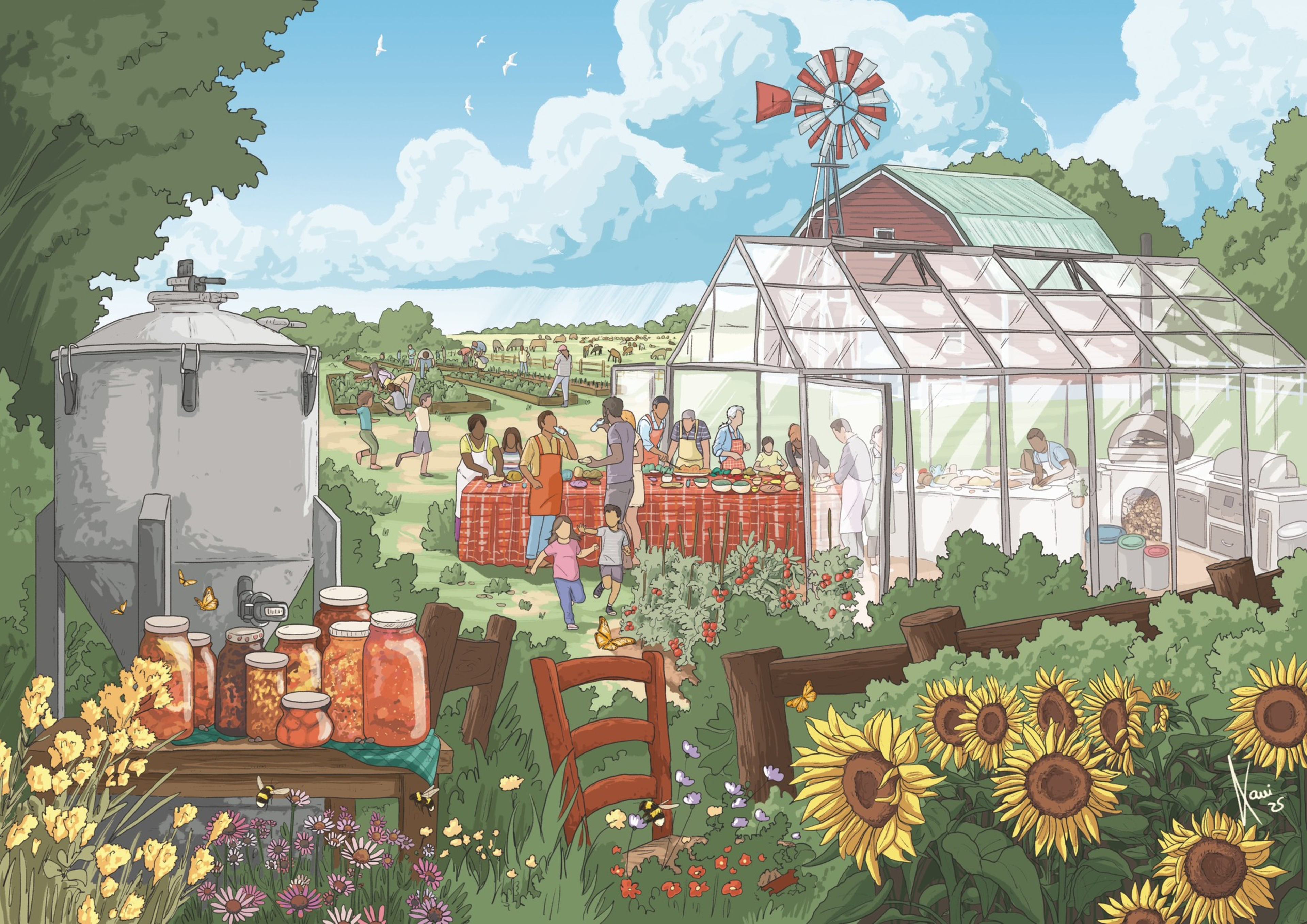 A working farm would explore regenerative agriculture, food systems, and climate-smart growing.
First, change the operator. The San Francisco Zoological Society has had decades to demonstrate responsible stewardship and has failed to do so, undermined by secrecy, budget mismanagement, and repeated animal welfare concerns (opens in new tab). The city should end the contract and bring in mission-driven leadership aligned with modern standards. A great option is right across the bay: the Conservation Society of California, which runs the Oakland Zoo, is one of the most progressive, welfare-centered operators in the country.
Second, rewild the site. Located on vulnerable coastal land, the zoo faces increasing flooding and climate risks. Rather than pouring money into outdated infrastructure, the city could restore wetlands, rebuild dunes, and expand native habitat — protecting coastlines while focusing animal care on rescue and rehabilitation rather than on permanent display.
Third, modernize education. Children don’t need captive exotic animals to connect with nature. They need science literacy and real-world learning. The site could become a living classroom, supporting wildlife monitoring, ocean health, citizen science, and immersive virtual experiences that connect visitors to the ecosystems that surround them.
 A conceptual map shows the proposed transformation of the SF zoo into EcoPark SF.
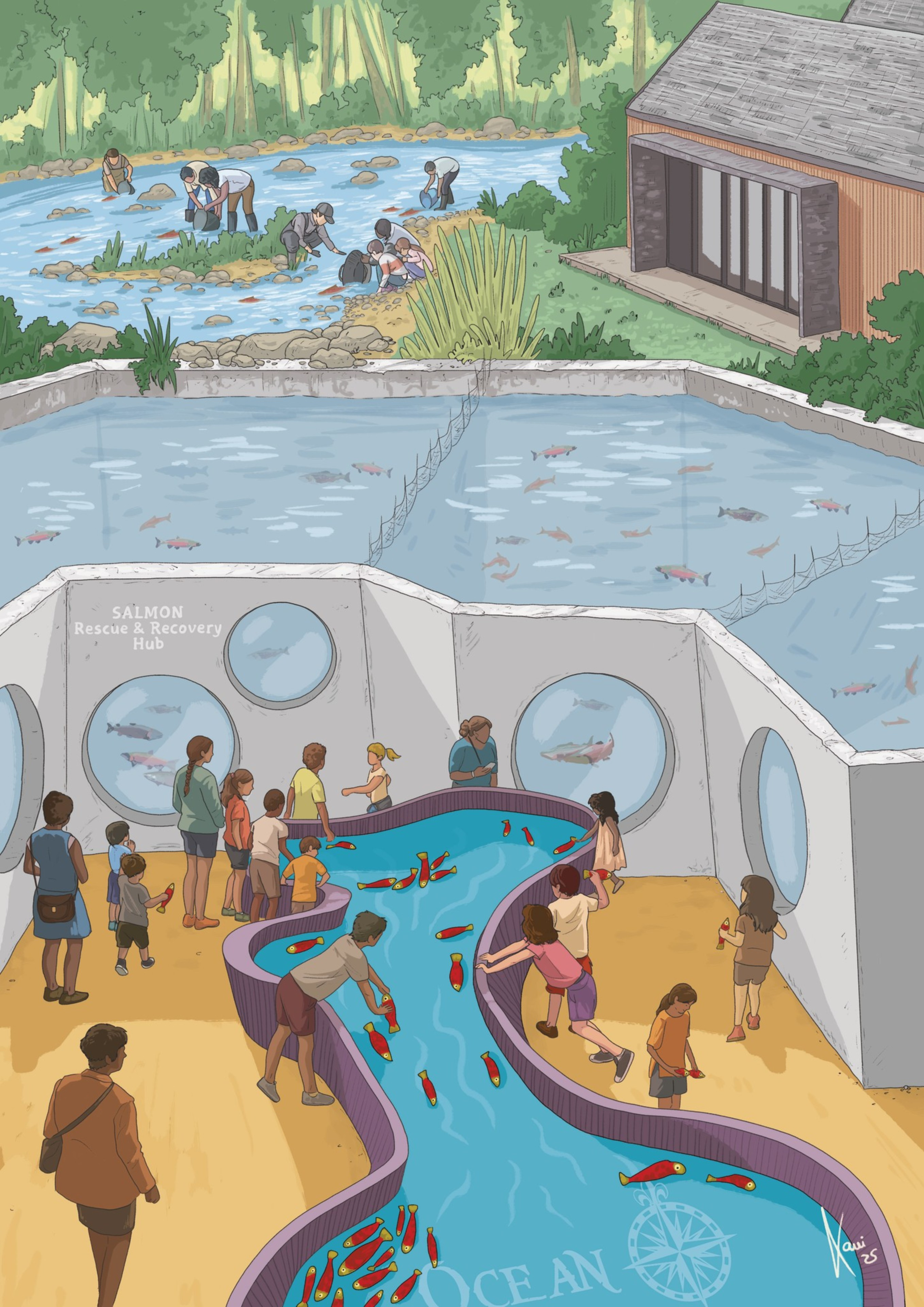 California Wildlife Rescue & Recovery Hub is the operational center for statewide wildlife rescue, rehabilitation, and conservation partnerships.
Other cities have confronted these same questions and modernized.
In 2018, after years of spiraling costs and the carbon absurdity of flying in hundreds of pounds of bamboo each week, the Toronto Zoo ended its panda program. Instead of searching for the next attention-grabbing species, Toronto invested in the cutting-edge Wildlife Health and Science Center, expanded endangered-species recovery programs, and created a plan to phase out more than 100 exotic species that don’t fit its conservation-first mission.
Buenos Aires is among the South American cities that have transformed zoos into vibrant eco parks (opens in new tab)— replacing cages with native gardens, turning concrete pits into restored landscapes, and using immersive, tech-driven exhibits to teach ecological stewardship. Attendance in Buenos Aires went up, public trust increased, and the site became more relevant to the community.
 The Rescue & Recovery Campus focuses on wildlife rescue and rehabilitation, prioritizing animal privacy, and returning creatures to the wild.
EcoPark SF isn’t just a Hail Mary to save the struggling San Francisco Zoo. It’s a promise to the city: a chance to protect our coastline, modernize public education, expand green jobs, and create a public space that reflects the values this city already leads with.
What’s needed now is the political will and a few generous donors to get it done.
Justin Barker is a San Francisco producer, activist, and author of “Bear Boy (opens in new tab).” He founded SF Zoo Watch (opens in new tab) and developed the EcoPark SF (opens in new tab) proposal in consultation with leading conservationists and global zoo leaders.