
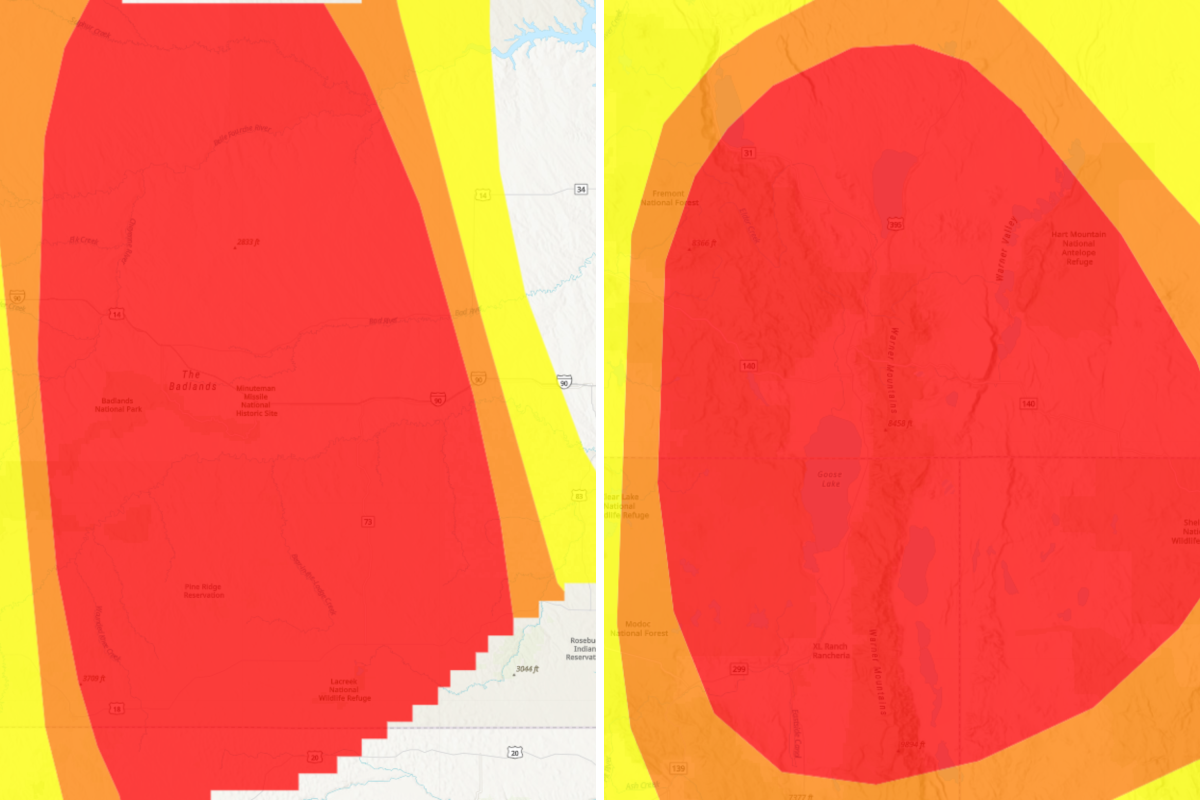
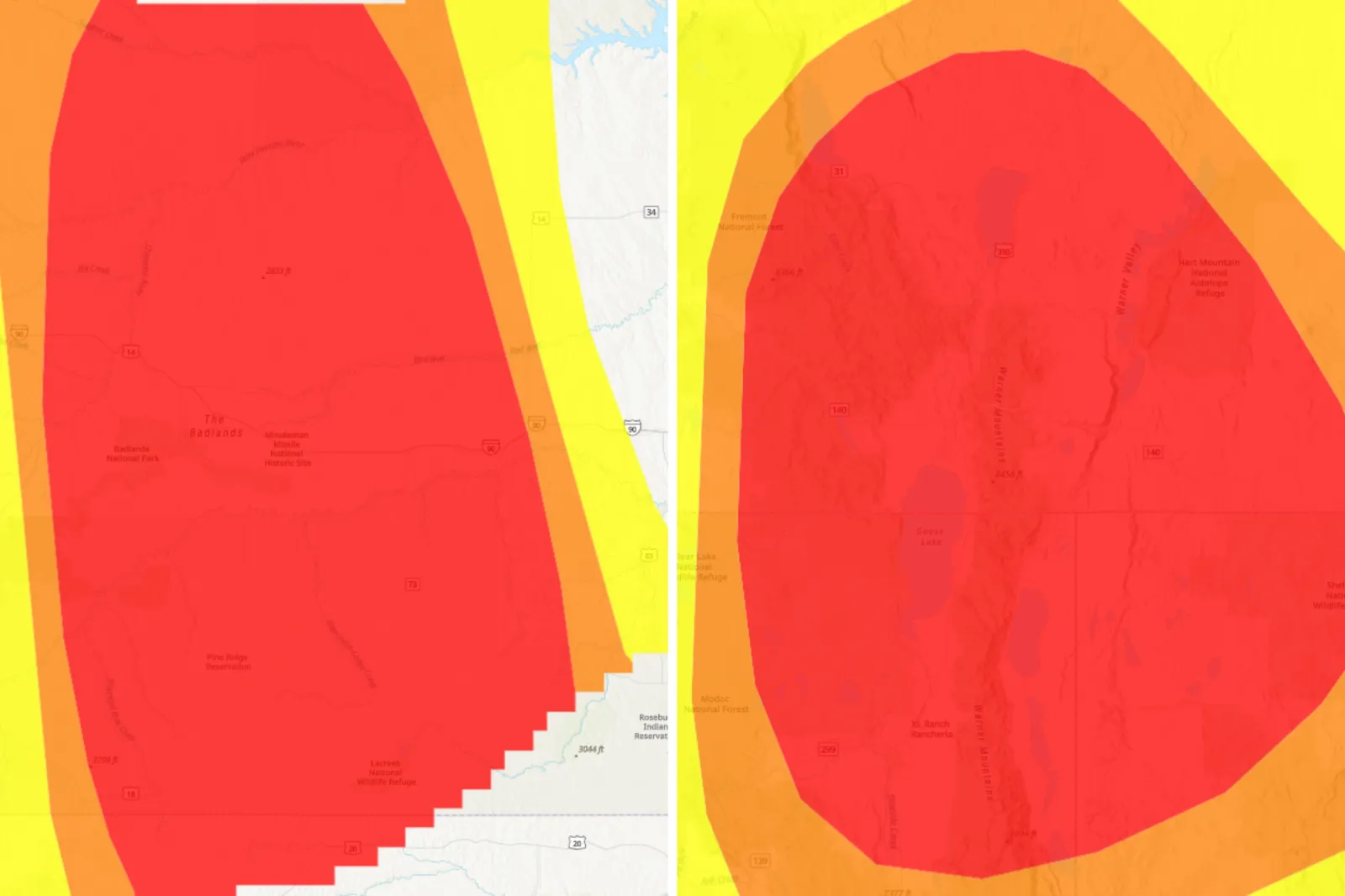
Thousands of residents across parts of California, Nevada, Oregon, and South Dakota have been advised to stay indoors, as levels of fine particle pollution (PM2.5) will have reached “unhealthy” levels as of January 12, 2026, at 6 a.m. ET, the Environmental Protection Agency’s (EPA) AirNow Map shows.
The EPA is urging people in sensitive groups, including the elderly, children, and those with certain health conditions, to completely avoid prolonged or intense outdoor activities. Everyone else should reduce their participation in long or intense outdoor pursuits.
This is because physical activity causes people to breathe harder and faster, which means the fine particulate matter can penetrate deeper into the lungs if people are exercising outdoors.
The EPA warns, “Your chances of being affected by particles increase the more strenuous your activity and the longer you are active outdoors. If your activity involves prolonged or heavy exertion, reduce your activity time—or substitute another that involves less exertion. Go for a walk instead of a jog, for example.”
 What Do ‘Unhealthy’ Levels of PM2.5 Mean?
PM2.5 are tiny, inhalable particles of pollution, 2.5 micrometers or less in size (smaller than a strand of hair), that are considered to be one of the most dangerous forms of air pollution, according to the EPA.
This is because they get deep into the lungs—and sometimes even the bloodstream—triggering or exacerbating certain health conditions, like asthma, or causing symptoms ranging from coughing and nose, eye, and throat irritation to shortness of breath and chest tightness.
The Environmental Protection Agency (EPA) uses the Air Quality Index (AQI) to report and classify air quality across the United States. The AQI is a standardized scale ranging from 0 to 301+, which categorizes air quality into the following levels:
Good: 0 to 50—Air pollution poses little or no risk to the public
Moderate: 51 to 100—Some pollutants may pose a moderate health concern for a very small number of unusually sensitive people
Unhealthy for sensitive groups: 101 to 150—Members of sensitive groups (children, elderly, people with respiratory or heart conditions) may experience health effects; the general public is less likely to be affected
Unhealthy: 151 to 200—Everyone may begin to experience health effects; members of sensitive groups may experience more serious effects
Very Unhealthy: 201 to 300—Everyone may experience more serious health effects
Hazardous: 301+—Health warnings of emergency conditions; the entire population is likely to be affectedWhat Causes PM2.5?
PM2.5 can come from a variety of sources, ranging from wildfires and smokestacks to emissions from vehicles and power or industrial plants.