
Paramount takes on WBD in Proxy War for Hollywood’s future
Paramount Skydance’s fight to up end Netflix’s merger with Warner Bros. Discovery has amounted to one of the most exciting boardroom battles. Paramount filed a suit to force a disclosure of financial details behind the deal, launching a full-blown proxy battle to control the media giant.
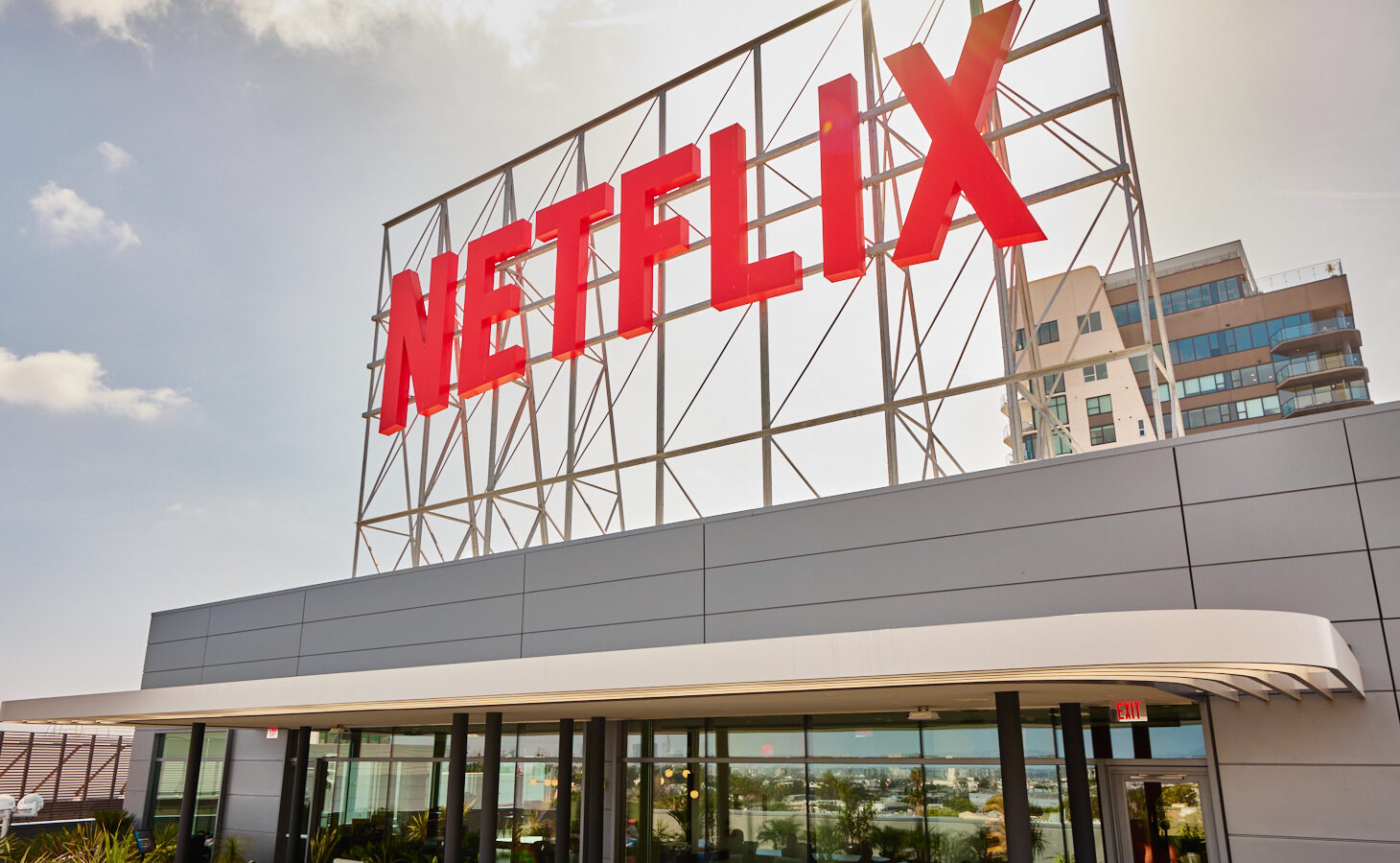
The legal action, filed this week in Delaware’s Chancery Court, seeks to force WBD to disclose detailed financial reports about its proposed deal with Netflix. A transaction valued at roughly $82.7 billion that would transfer WBD Studios, HBO, HBO Max, DC Studios, DC Entertainment and other related assets to the already monolithic streaming giant. The deal, structured as cash and stock, still awaits regulatory approval and could go through in 2026 if approved.
Though Paramount alleges that WBD’s board breached its fiduciary duties, refusing to share important metrics, particularly in how it has priced the spinoff of WBD’s global linear networks, such as CNN, TBS and Discovery’s large portfolio of cable networks. WBD has swiftly dismissed the suit as “meritless,” arguing that Paramount has not meaningfully improved its bid or addressed what the company deems as “obvious deficiencies” in its financial framework. In a public statement, WBD noted that Paramount has yet to raise its offer above $30 per share and accused Paramount of distraction and speculation rather than serious engagement.
But the lawsuit cannot be viewed alone as it accompanies a proxy fight – a strategic campaign by Paramount to nominate its own slate of directors to the WBD board at the company’s upcoming annual meeting. This is with the goal of forcing fresh negotiations or even overturning the Netflix Deal. The combination of litigation and boardroom tactics is what makes this a Proxy war. Paramount isn’t just seeking financial transparency but also mounting a public attack on WBD’s narrative control and main leadership.
The Ellison family, which controls Paramount Skydance, has positioned its all-cash offer as superior not just in price but in certainty and strategic value. A direct opposition to Netflix’s debt-led strategy. Paramount has chased WBD in the past, making three offers before WBD opened up to other bidders.
For its part, WBD is aggressively defending the Netflix transaction as more reliable and less risky for shareholders. Even advising the shareholders to reject Paramount’s offers outright and highlighting the potential costs and execution risks of Paramount’s leveraged takeover bid. WBD fears they could be taken over by a much smaller company than what is presented.
The broader industry reality is that legacy studios are under pressure to justify scale and value in an era where consolidation is standard. Netflix’s bid has marked its boldest pivot, moving into acquisitions after years of organic growth. Meanwhile, Paramount’s counterpunch embodies a fight among traditional media players to maintain relevance and control.
Regulatory approval could take 12-18 months, but as both companies gear up for a prolonged proxy season, the ripple effects extend beyond corporate filings. The outcome could reshape control over some of Hollywood’s most treasured IP and redefine the balance of power in an industry where content is currency.
Scroll to continue reading