
Cupertino is falling short in its state-mandated housing goals as developers roll out projects with fewer homes than expected.
The upshot is Cupertino will have to add more high-density projects — a move not likely to be popular in a community that frequently resists multifamily housing.
Like many California cities, Cupertino is caught between state rules ordering construction of low- and moderate-income housing and commercial developers who prefer to build more profitable market-rate homes.
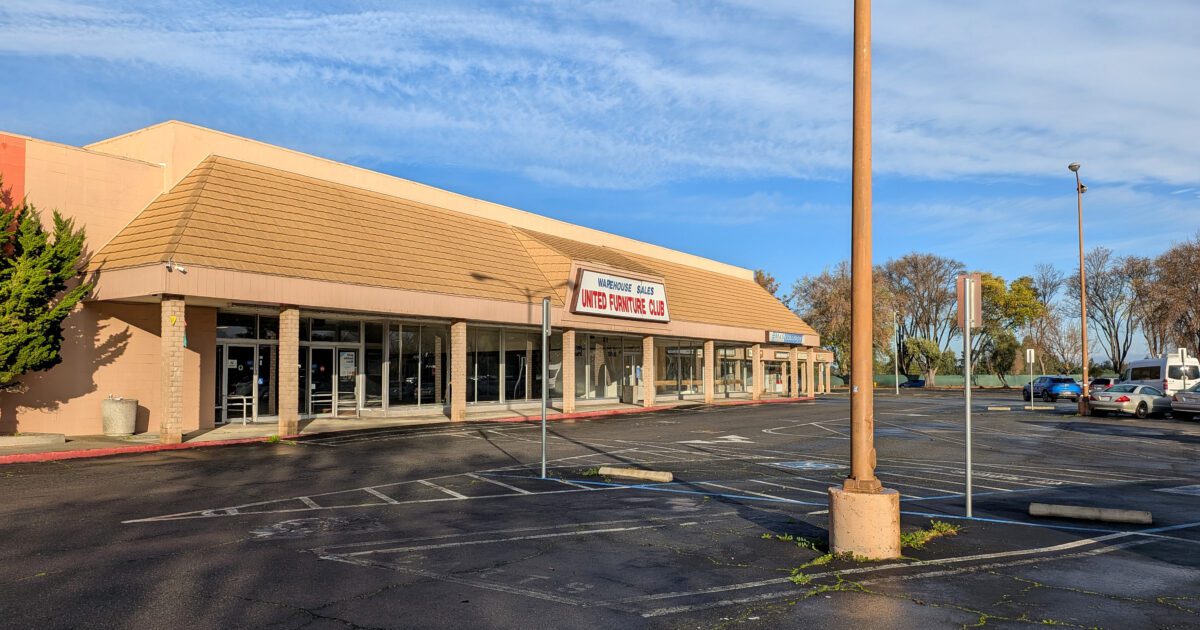
The problem first emerged Dec. 16 when the City Council approved a project by developer Toll Brothers to build 55 townhomes, of which 11 will be for moderate incomes. Construction at the 2.72-acre site on Stevens Creek Boulevard would replace the defunct Idlewild Shopping Center, once anchored by the United Furniture store.
Cupertino’s housing plan approved by the state in 2024 anticipated 163 homes at the site, of which 93 would be for moderate-income earners. The loss of 80 moderate-income homes put the city plan out of compliance.
That shortfall is expected to grow on Jan. 21, when the council is expected to approve a two-phase townhome development from Divided Homes on Steven Creek Boulevard with 89 homes, of which 17 will be affordable — another project with fewer moderate-income homes than Cupertino’s plan.
The problem will continue to expand later this month when the city finishes processing changes to The Rise, a big mixed-use residential, office and retail project on the site of the former Vallco shopping mall.
Sand Hill Property Company in late November notified the city it is reducing the number of low- and moderate-income homes at The Rise from 890 to 356. This will likely create a significant shortage in the city’s quota of low-income homes while increasing the moderate-income home deficit.
Under the state’s “no net loss” law, cities have 180 days to identify additional housing sites to counter any losses – a clock that started ticking for Cupertino on Dec. 16 when councilmembers approved the Toll Brothers project.
“This is an opportunity to resolve a bunch of issues in the housing plan,” Councilmember J.R. Fruen told San José Spotlight. “We should be looking to add sufficient capacity so that we don’t have to reexamine this until the next housing plan is due in 2030. In many cases, cities did this to themselves because they under planned.”
The city has to add 4,588 homes — of which 1,953 are market-rate, 755 are moderate-income and 1,880 are low-income — by 2031 to meet state requirements.
While the city is on track to meet the goal for market-rate housing, low- and moderate-income housing are coming up short. Those goals must be fixed through three options: increase the density of sites already in the city’s housing plan; add new sites to the plan through rezoning; or add new housing built on sites not included in the city’s original plan.
Because commercial developers typically include only the minimum requirement for affordable housing — 20% under state law — Cupertino likely won’t be able to resolve the problem by adding projects outside the housing plan. Instead, the city will have to make significant zoning changes. This will take Cupertino further away from its roots as a suburban community of single-family homes.
Santosh Rao, chairman of the Cupertino Planning Commission, said housing dynamics have changed.
“(This is) not a shortfall but a reality of market conditions,” he told San José Spotlight. “Developers are building what they can finance and what they can sell.”
Rao said the current sweet spot is a density of 20 homes per acre, typically two- to three-story townhomes, such as the Toll Brothers and Divided Homes projects. Yet the city’s plan for those sites called for higher densities of about 50 homes per acre, typically achieved through five- to eight-story buildings with ground floor retail or parking.
“There was a lack of oversight and good governance by the city council at the time,” Rao said, referring to 2022-24 when the council was dominated by a pro-growth majority that included Fruen.
The council last month asked the city’s planning department to prepare a report, expected in late January, with recommendations on how to manage the growing shortage of homes. Rafa Sonnenfeld, a land use consultant and past policy director for the housing advocacy group YIMBY Law, said the problem is widespread in California.
“Many cities planned by counting theoretical unit capacity on paper, without meaningful input from builders or economists about whether those densities were realistic,” Sonnenfeld told San José Spotlight. “The jurisdictions most exposed are the ones that treated housing goals as a strategic compliance exercise rather than a durable plan grounded in how housing actually gets financed, approved and built.”
Contact Mike Langberg at [email protected].