
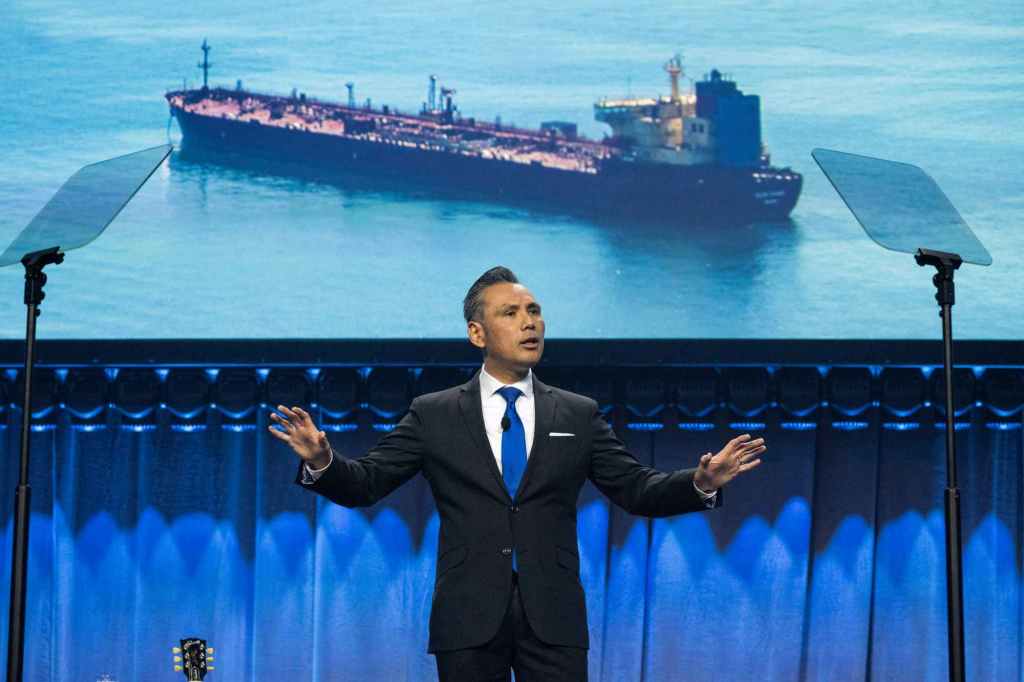
Chief Executive Officer Noel Hacegaba speaks during the Port of Long Beach’s annual State of the Port at the Long Beach Convention Center on Thursday, January 15, 2026. (Photo by Drew A. Kelley, Press-Telegram/SCNG)
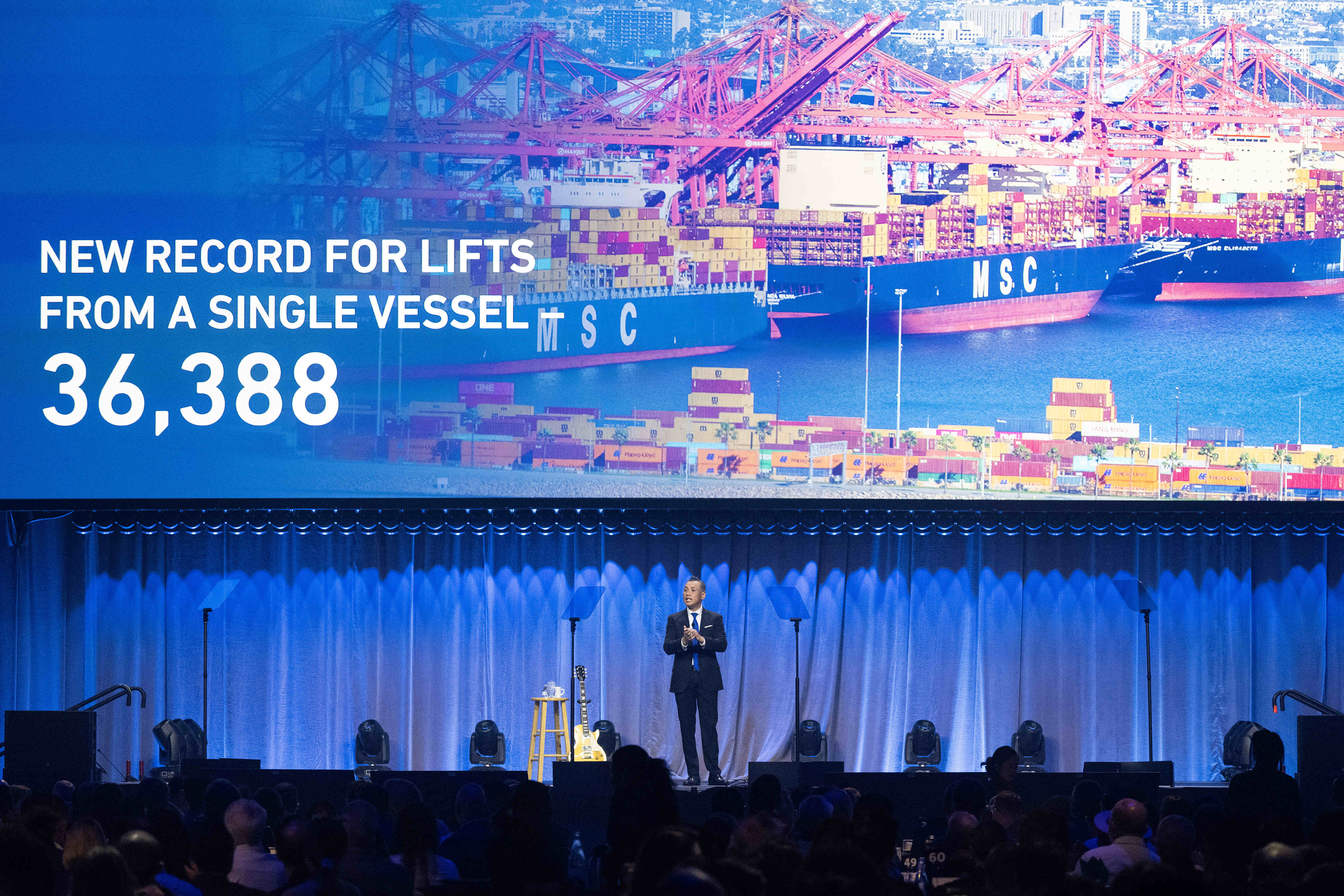
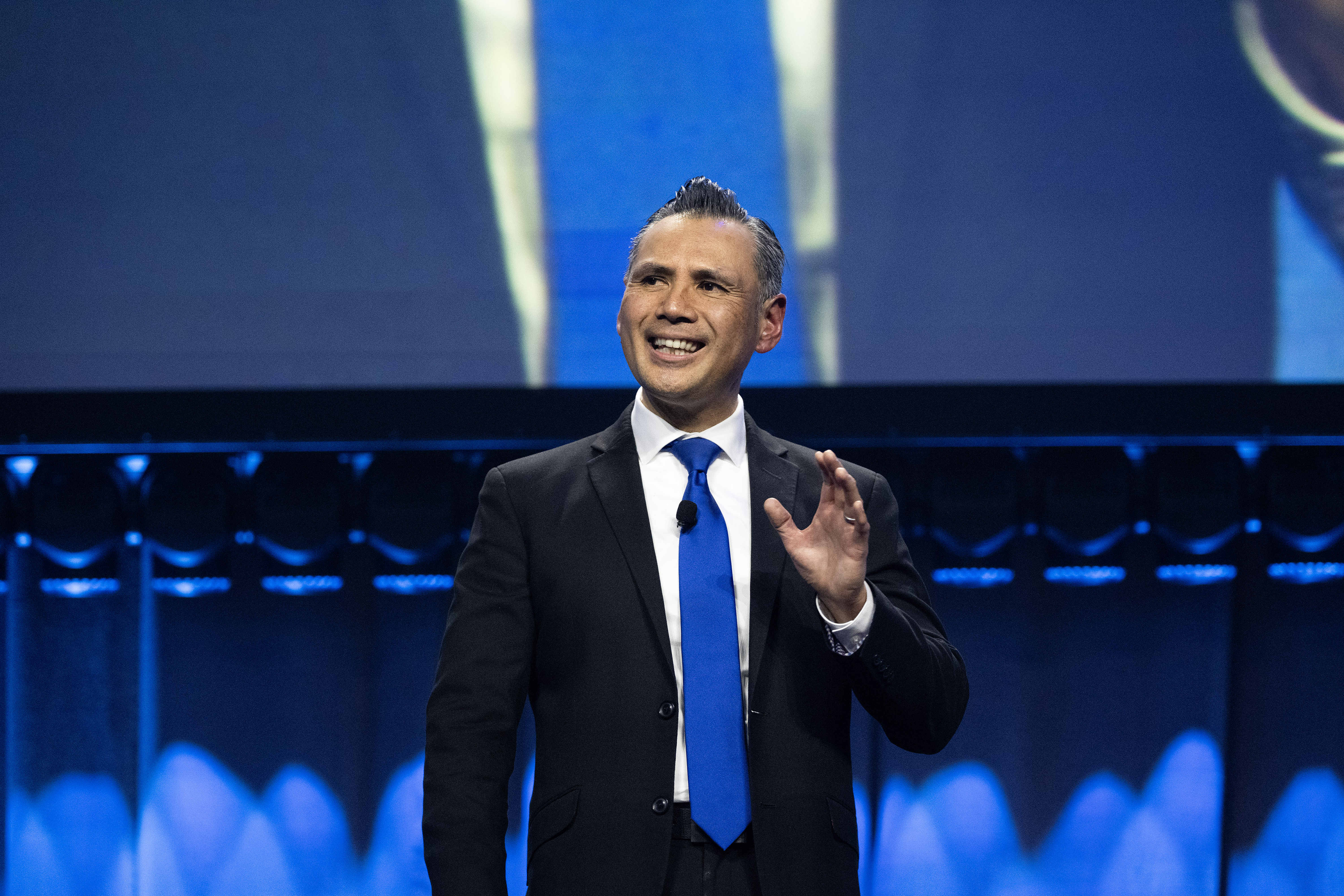
Chief Executive Officer Noel Hacegaba speaks during the Port of Long Beach’s annual State of the Port at the Long Beach Convention Center on Thursday, January 15, 2026. (Photo by Drew A. Kelley, Press-Telegram/SCNG)
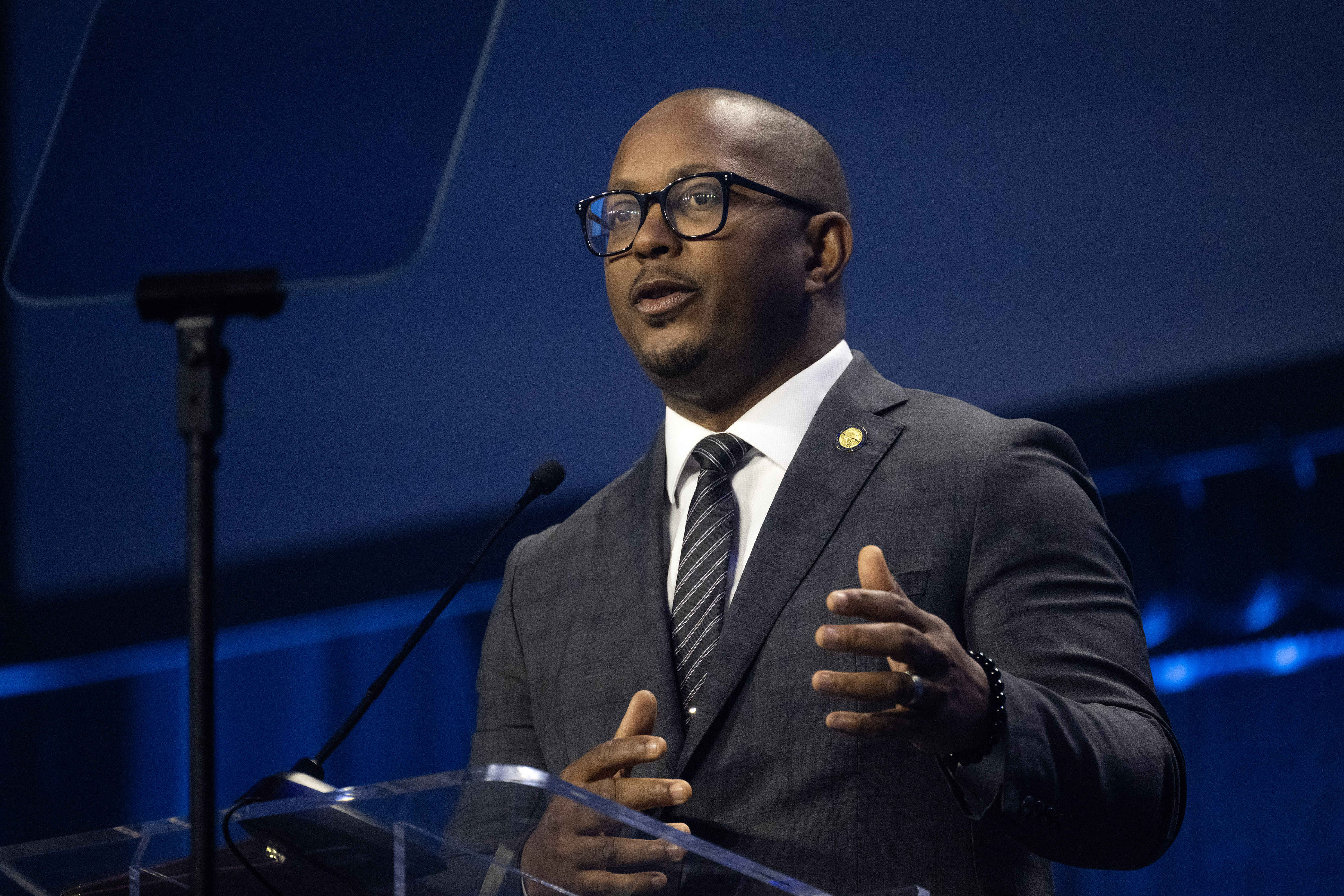
Mayor Rex Richardson speaks during the Port of Long Beach’s annual State of the Port at the Long Beach Convention Center on Thursday, January 15, 2026. (Photo by Drew A. Kelley, Press-Telegram/SCNG)
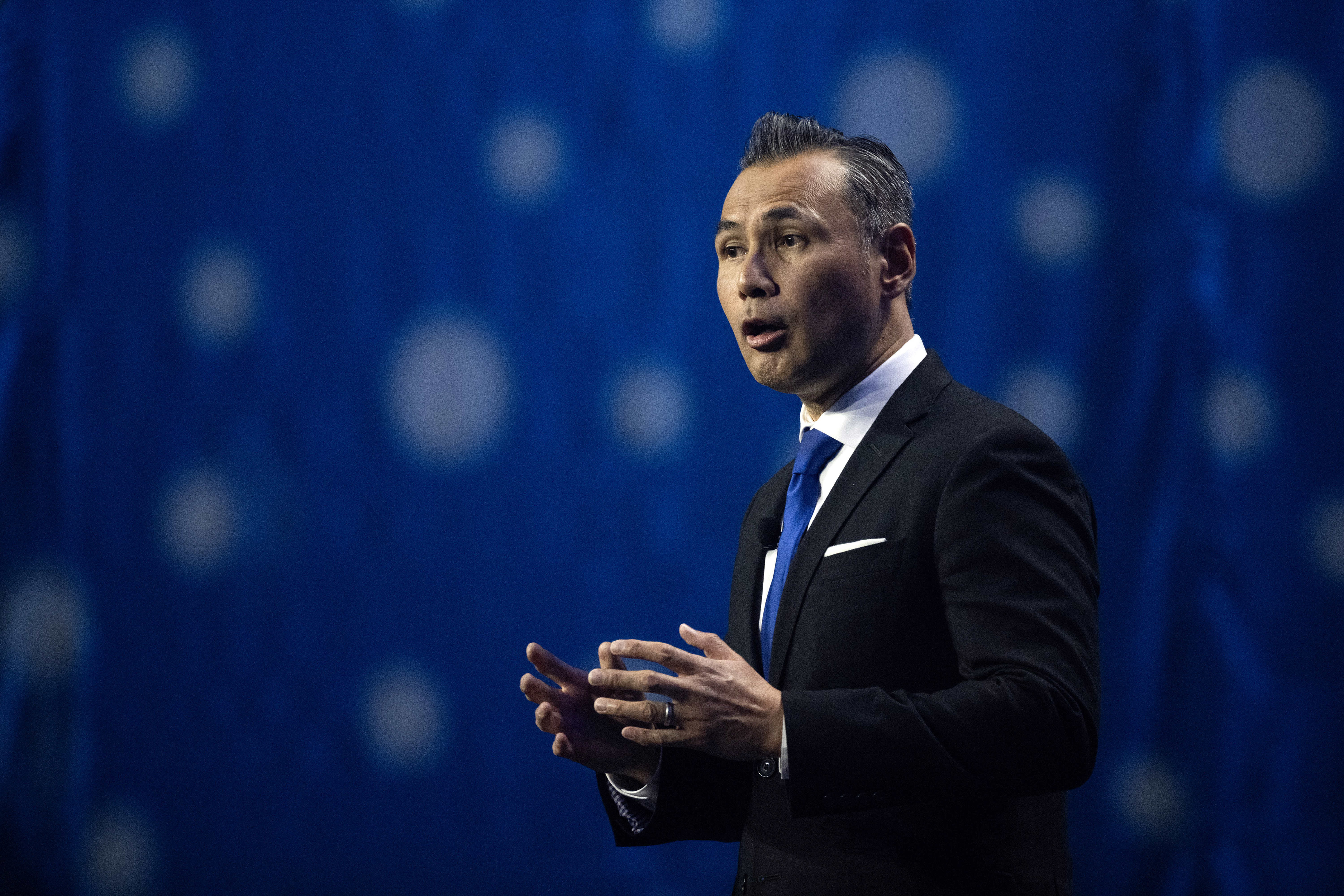
Chief Executive Officer Noel Hacegaba speaks during the Port of Long Beach’s annual State of the Port at the Long Beach Convention Center on Thursday, January 15, 2026. (Photo by Drew A. Kelley, Press-Telegram/SCNG)
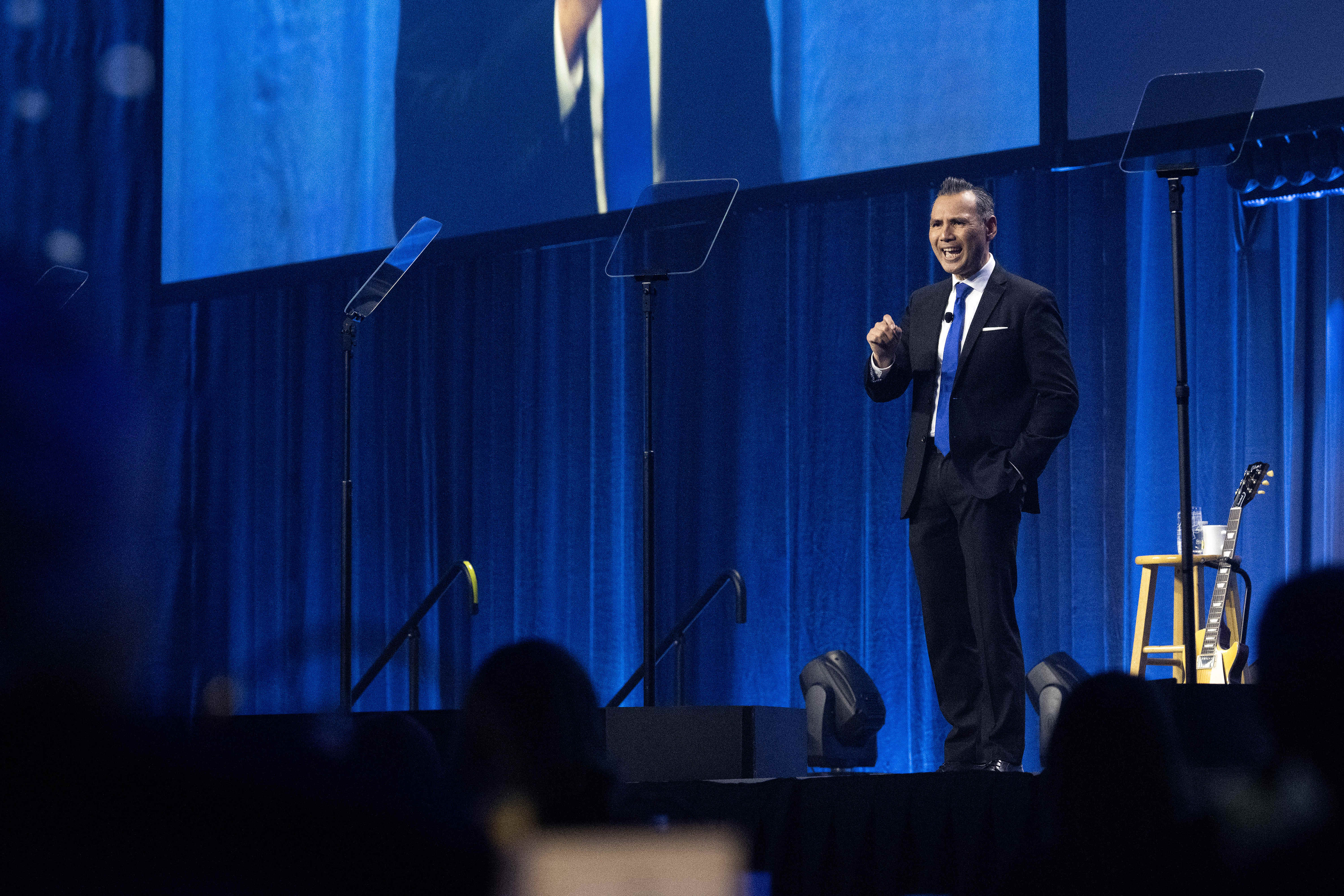
Chief Executive Officer Noel Hacegaba speaks during the Port of Long Beach’s annual State of the Port at the Long Beach Convention Center on Thursday, January 15, 2026. (Photo by Drew A. Kelley, Press-Telegram/SCNG)
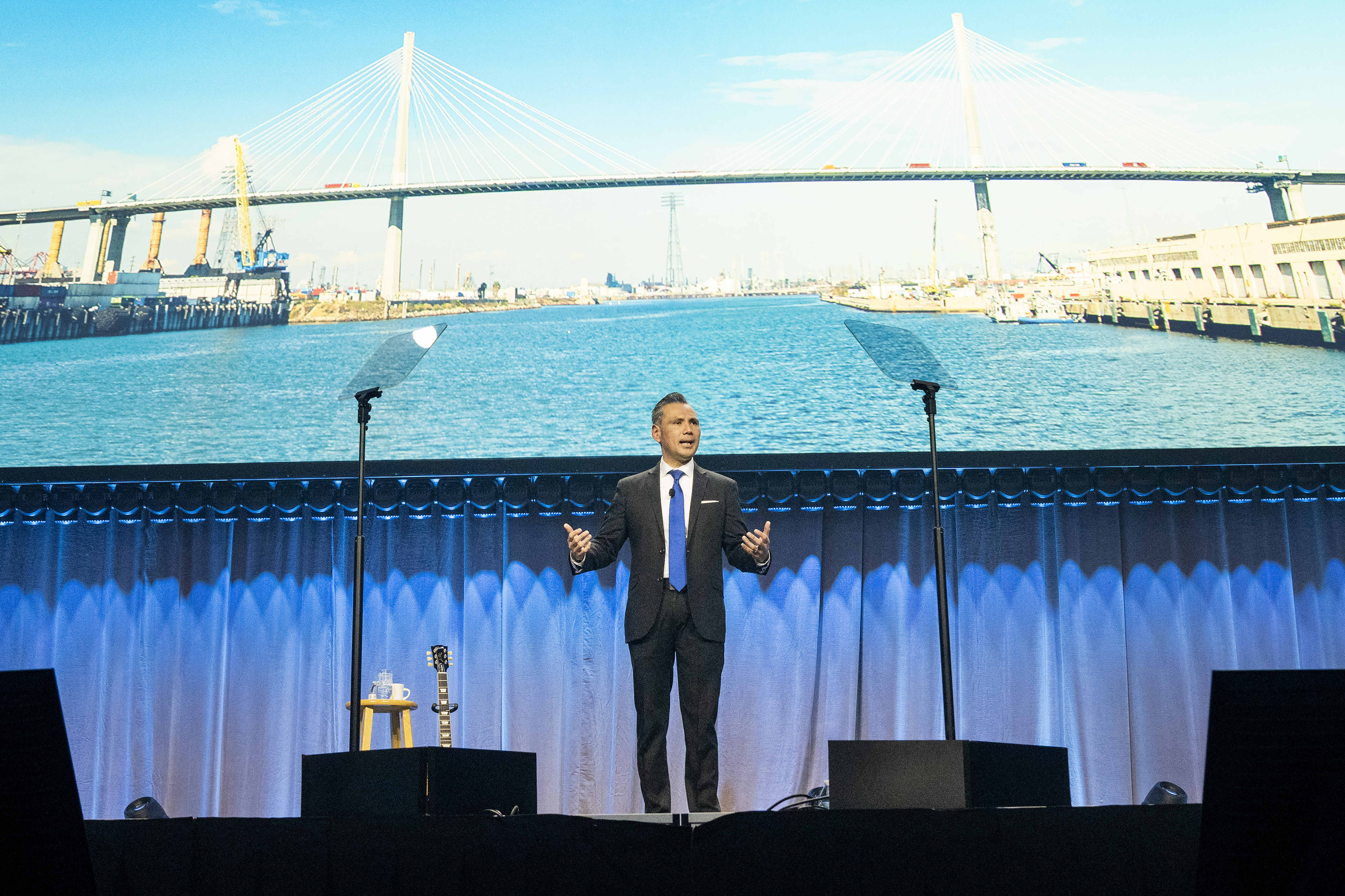
Chief Executive Officer Noel Hacegaba speaks during the Port of Long Beach’s annual State of the Port at the Long Beach Convention Center on Thursday, January 15, 2026. (Photo by Drew A. Kelley, Press-Telegram/SCNG)
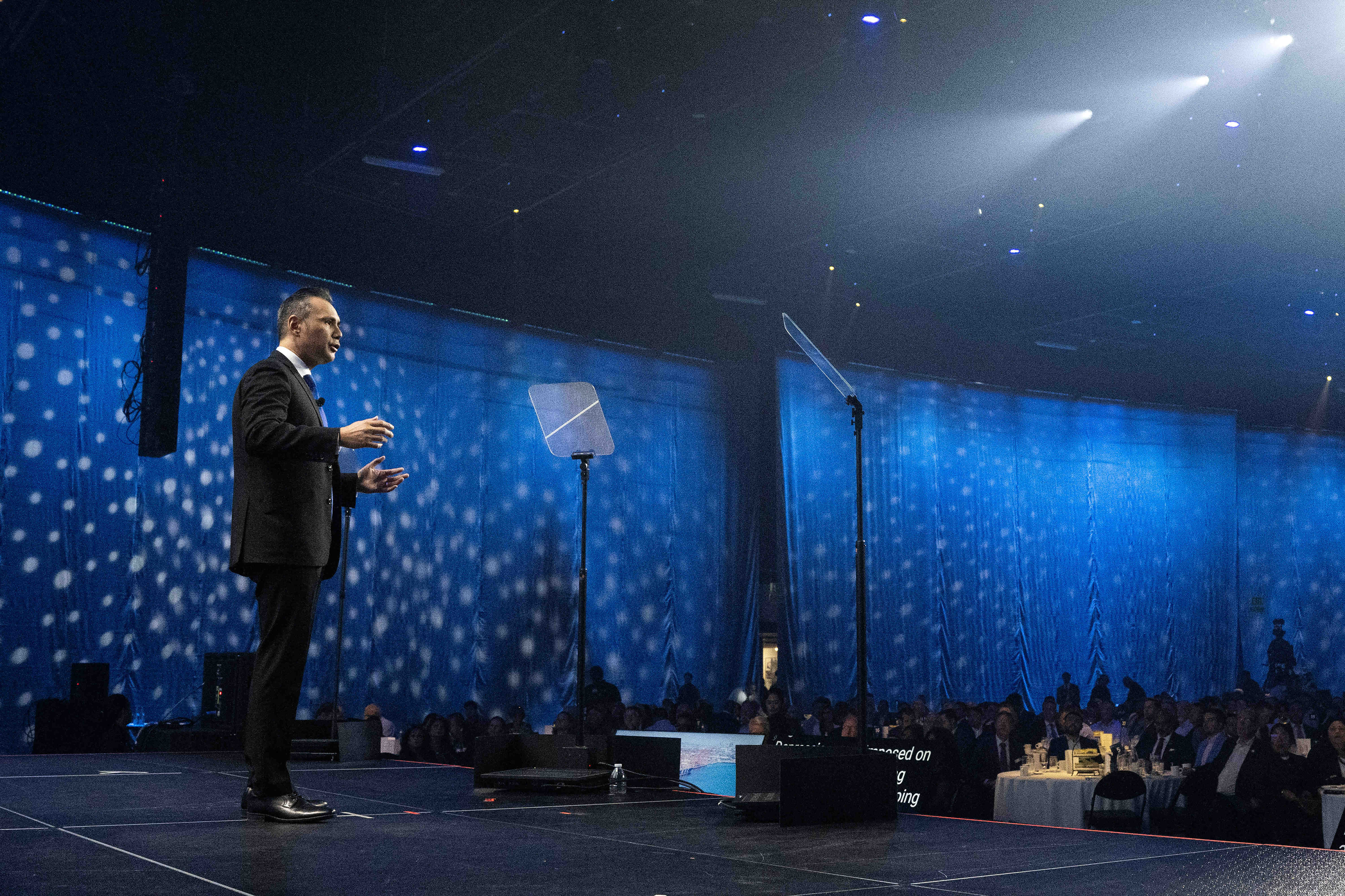
Chief Executive Officer Noel Hacegaba speaks during the Port of Long Beach’s annual State of the Port at the Long Beach Convention Center on Thursday, January 15, 2026. (Photo by Drew A. Kelley, Press-Telegram/SCNG)
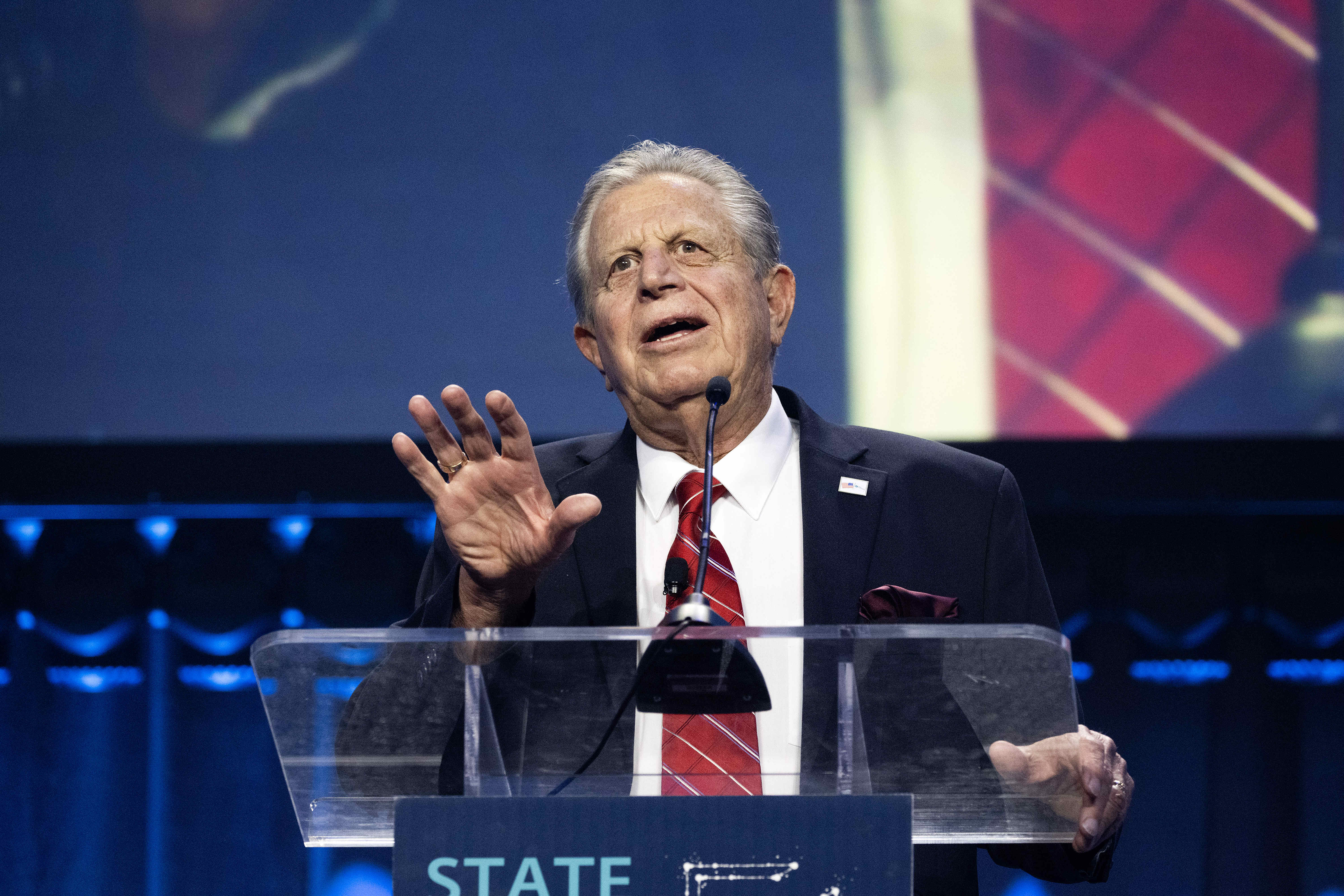
President Frank Colonna speaks during the Port of Long Beach’s annual State of the Port at the Long Beach Convention Center on Thursday, January 15, 2026. (Photo by Drew A. Kelley, Press-Telegram/SCNG)
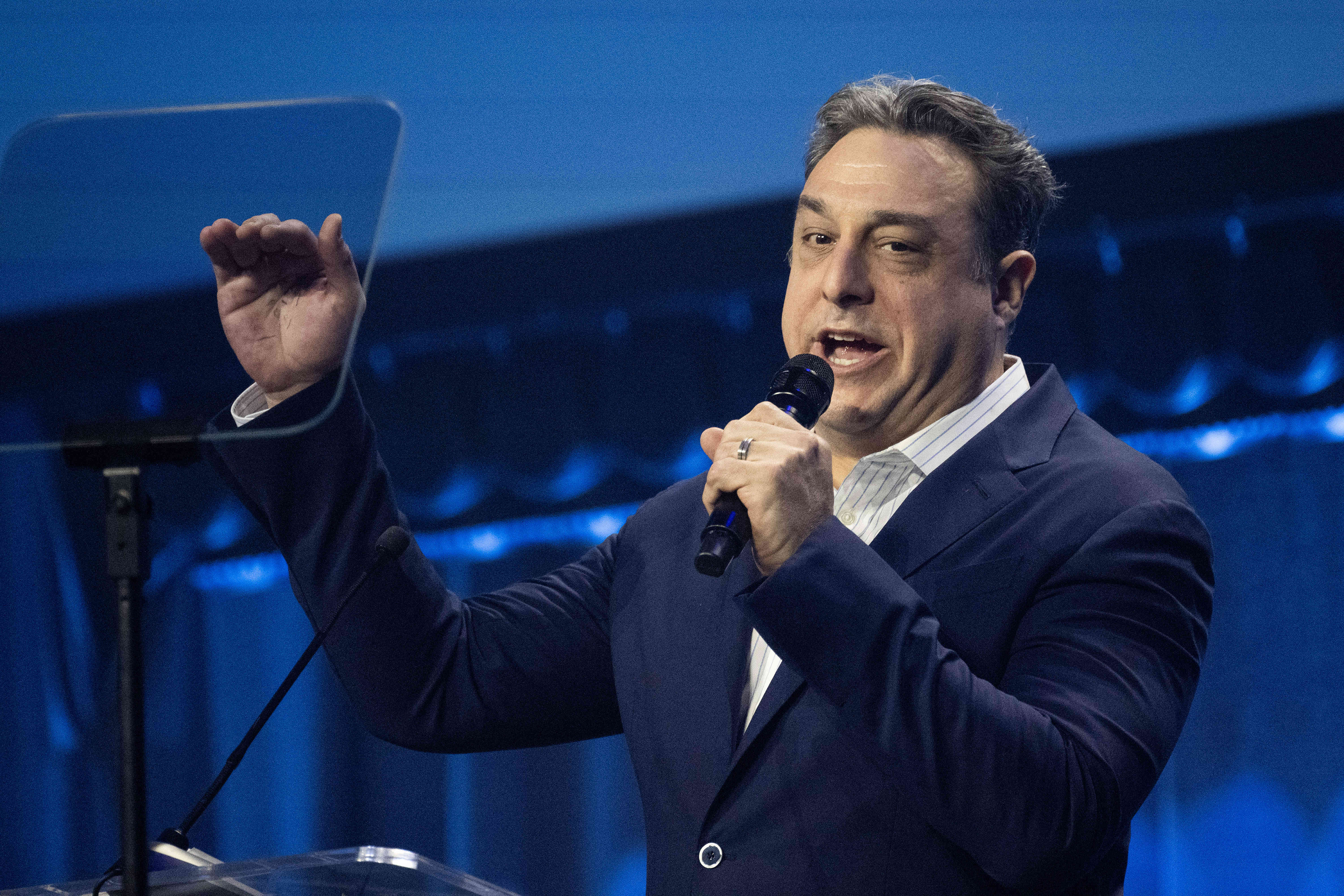
Petros Papadakis welcomes the audience to the Port of Long Beach’s annual State of the Port at the Long Beach Convention Center on Thursday, January 15, 2026. (Photo by Drew A. Kelley, Press-Telegram/SCNG)
Show Caption
1 of 9
Chief Executive Officer Noel Hacegaba speaks during the Port of Long Beach’s annual State of the Port at the Long Beach Convention Center on Thursday, January 15, 2026. (Photo by Drew A. Kelley, Press-Telegram/SCNG)
Celebrating a record-setting cargo year along with advances to become the world’s first “green port” — and a future embracing an ambitious $3.2 billion, 10-year capital improvement program — Port of Long Beach CEO Noel Hacegaba hailed an era of impressive progress in his inaugural State of the Port address on Thursday, Jan. 15.
Speaking before a packed crowd of 1,300 at the Long Beach Convention & Entertainment Center, Hacegaba — tapped to succeed former CEO Mario Cordero, who stepped down at the end of 2025 — wasn’t modest about POLB’s ambitious future, with an hourlong unveiling of what’s ahead for the port that has had to play second-fiddle to its larger neighbor, the Port of Los Angeles.
In 2025, he told the crowd, the port broke its cargo record by handling 9.9 million container units, or TEUs, numbers that are approaching the Port of L.A.’s cargo stats. (The 2025 total in L.A., not yet officially released, a spokesperson said, will total 10.2 million TEUs; that port’s record was 10.6 TEUs set in 2021.)
“Are you ready for it?” Hacegaba asked the crowd. “(In 2025), the Port of Long Beach set an all-time record for container volumes. And for the first four months of the year, we were the busiest port in the nation.”
Among the drivers, he said, was the rush to send large amounts of cargo ahead of expected oncoming tariffs — as was the case also at the Port of Los Angeles.
“This is only the third time we’ve ever reached 9 million TEUs, and, this time, we got within striking distance of 10 million,” Hacegaba said. “Or, as some would say, ‘We were six (or) seven ships away from 10 million TEUs.’”
The two ports, while joining forces in some ground-breaking goals to cut pollution, have long eyed each other with a neighborly rivalry.
The recent numbers, Hacegaba said, “helped us increase our share of cargo in the San Pedro Bay (which includes both ports) to 48.9% and growing.”
Throughout the speech, Hacegaba, striding at times across the stage as he spoke, listed project after project that will increase the port’s capacity, but also will be environmentally clean — in a push to make the Port of Long Beach the world’s first zero-emissions port by 2050.
The year will be important, he said.
“According to our latest cargo forecast, 2050 is the year our container volumes will reach 20 million TEUs,” Hacegaba said. “We have 24 years to prepare to double our container throughput and figure out how we’re going to handle all that cargo quickly, safely, efficiently, and sustainably.”
From infrastructure that can the accommodate the bigger, cleaner ships to its ambitious Pier B on-dock rail now under construction, Hacegaba said, the Port of Long Beach will project a “hurry up” offense.
“The Port of Long Beach has been around since 1911,” Hacegaba said. “Our in order to remain relevant, we have to stay ahead of the competition. What got us here won’t get us there. We have to play chess, not checkers. We have to start thinking like a 115-year-old start-up and we have to think big and go big in all that we do.”
The $1.8 billion Pier B On-Dock Rail Support Facility — which broke ground in 2024 and is being built in phases, with completion expected in 2032 — will shift more cargo to on-dock rail, with containers taken to and from marine terminals by train. Moving cargo by on-dock rail is cleaner and more efficient, as it reduces truck traffic. No cargo trucks would visit the facility.
“It’s already catalyzed new synergies within the rail network that will add speed, predictability and reliability to the nation’s transportation system,” Hacegaba said. “We started a trend here in Long Beach by offering the most advanced, seamless connection to the nation’s railroads and now our partners are joining us to take it to the next level.”
Currently, he said, the average time from ship to train is just under four days.
“With Pier B, our goal is to get that down to 24 hours,” the new CEO said. “Speed to market is the key to our success and rail connectivity is the key to our future. That’s why we are acting with urgency.”
Noting that last year was the port’s 20th anniversary of its Green Port Policy, Hacegaba pledged a continued push — and in partnership with the Port of L.A. — toward an environmentally clean future.
“In 2025,” he said, “we continued to be a model for ports worldwide with our push for green shipping corridors, the newest strategy to decarbonize trade.”
In 2025, he added, the Port of Long Beach was voted by industry leaders as “The Best Green Seaport.”
Among the shipping lines now investing in new vessels powered by clean fuels are COSCO, CMA CGM, Evergreen, Maersk and ONE, among others, Hacegaba said.
“These will be larger ships that will carry more containers, increasing efficiency while reducing emissions,” he said. “These are bigger and cleaner.”
Shore power has been expanded, he added, and the port’s new International Gateway Bridge is tall enough to handle the much larger ships.
That also has positioned the port with an advantage over Los Angeles, which is now grappling over how to deal with its much smaller 1963 Vincent Thomas Bridge that spans that port’s shipping channel but sits too low to accommodate some of the newer and cleaner ships.
There will be no delays during the upcoming closure of the Vincent Thomas Bridge for road replacement work, Hacegaba said.
“Even though the bridge is not in Long Beach, we are being very proactive,” Hacegaba said. “We’re adding notification systems and outreach programs to ensure that all motorists — truck or commuter — will be able to find their way to and from our shipping terminals without any delay.”
The tariffs and the economy, meanwhile, will continue to pose challenges in 2026, Hacegaba said.
“Our only certainty,” he said, “is more uncertainty.”
But the port is also expected to again reach 9 million TEUs this year, he added.
“2026 is a year of transition for our port,” Hacegaba said, “and it’s happening at a time when the global supply chain is undergoing its own transformation.”
In other remarks, Hacegaba also said:
A Green Lanes program will be launched to prioritize access for the cleanest trucks at crucial times of the day.
The port is working with partners to establish the nation’s first Green Trucking Corridor, with more details to come.
The port is “exploring the proposed development of the first conventional, zero-emissions container terminal in the world,” Hacegaba said. The proposed Metro Express Terminal on Pier S will handle up to 1.8 million TEUs annually for express vessels of up to 9,000 TEUs with the plan including zero-emissions, human-operated equipment.
The port’s Pier Wind project — a 400-acre terminal on which wind turbines will be build — is still moving forward, with $20 million received in October from the California Energy Commission toward the project being done in partnership with the Port of Humboldt Bay.