
Except that brass instruments were hardly used at all in 1940s scores, Muller explains in a recent interview. “In the 1940s, Hollywood had their studio orchestras, and were still beholden to that classic European orchestral score approach,” he says. “But in the ’50s, that really changed, and The Man With the Golden Arm had a lot to do with that.”
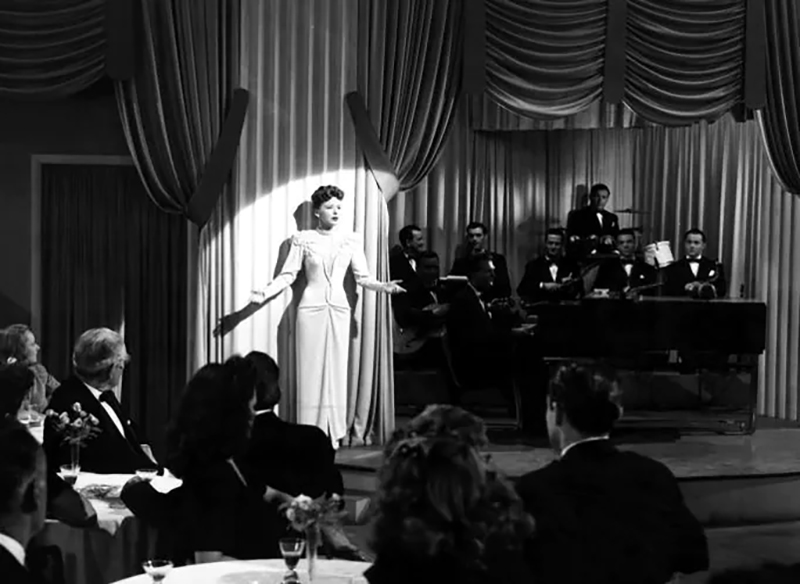 Ida Lupino as a lounge singer in ‘The Man I Love,’ directed by Raoul Walsh in 1947. (Warner Bros.)
It’s the kind of deep knowledge I anticipated from a conversation with Muller, who since 2003 has hosted Noir City, a celebration of all things double-crossing and murderous on the silver screen. Each year, the hugely popular festival follows a theme; the first year I attended and realized I’d found my people, it was newspapers. This year’s is music.
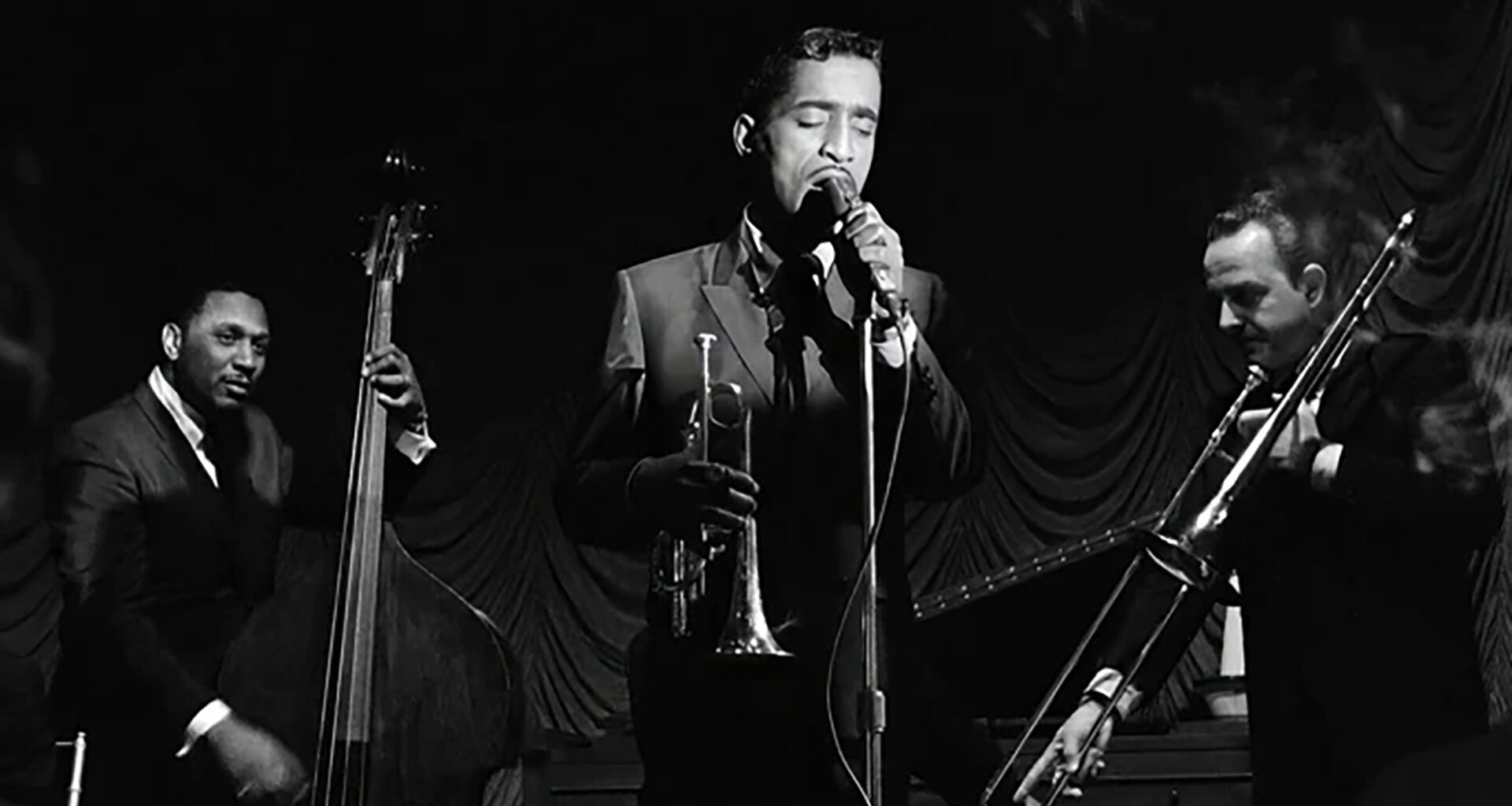
That includes films like Gilda, with Rita Hayworth’s famous glove-removing nightclub performance of “Put the Blame on Me,” and A Man Called Adam, starring Sammy Davis Jr. as an alcoholic, self-sabotaging singer and cornet player.
It also includes some films that, Muller admits, stretch the definition of film noir, including not one but two Doris Day movies.
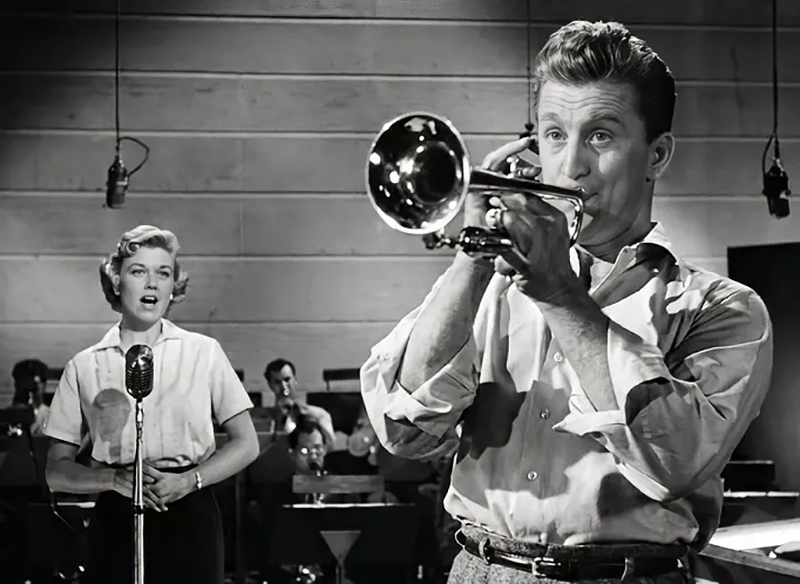 Doris Day and Kirk Douglas in ‘Young Man With a Horn,’ based on the life of Bix Beiderbecke and directed by Michael Curtiz in 1950. (Warner Bros.)
“When people see Love Me or Leave Me, they assume ‘Oh, that’s a Doris Day musical,’” Muller says, adding that people have asked him: How can you possibly pass that off as noir?
“And you know, the answer is that Ruth Etting had a very, very noir life,” he explains.
Etting, a singer and actress who endured threats, a messy divorce and a murder attempt, is portrayed in Love Me Or Leave Me not in gritty black and white, but full MGM Technicolor. Likewise, Pete Kelly’s Blues, with Jack Webb and Janet Leigh, is also in color. But its story is grimy, and its stellar performances by Ella Fitzgerald and Peggy Lee fit the festival’s theme too well to be overlooked.