
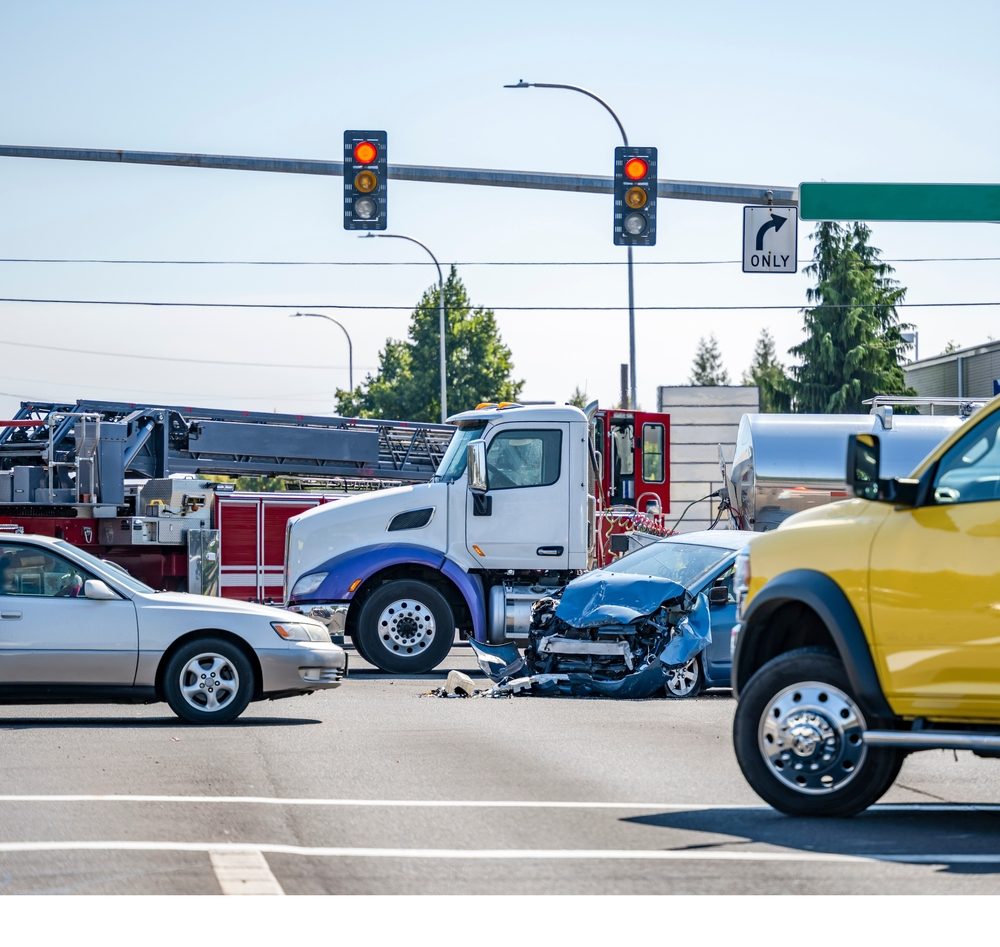
Oakland’s roads carry a heavy and sometimes dangerous mix of commuter traffic, freight vehicles, transit buses, and pedestrians on busy streets. Intersections along International Boulevard, MacArthur Boulevard, and corridors like San Pablo Avenue and Foothill Boulevard are frequently flagged in city reports for high crash rates and severe injury risk.
Understanding which intersections and corridors are most dangerous can help residents, commuters, and visitors avoid high‑risk areas and know what to do if they are involved in a crash on these roadways. Speaking with an experienced Oakland car accident lawyer can also help protect your rights if you’re injured in one of these areas.
The City of Oakland identifies the High Injury Network (HIN) as the baseline for where the most severe and dangerous collisions occur and uses the data to drive safety improvements.
What Makes a Road Dangerous?
A dangerous road is more than just a place where crashes happen. It often has high traffic volumes, mixed uses, inadequate pedestrian or bike design, and frequent conflict points at vehicle intersections. If you’ve been injured in one of these areas, an Oakland personal injury lawyer can help you understand your legal options and pursue compensation for your injuries.
The City of Oakland’s High Injury Network identifies the corridors and intersections with the highest densities of severe and fatal injuries using five years of crash data. These streets make up roughly 8% of Oakland’s total street miles but account for 60% of the most serious collisions.
Traffic safety has become a growing concern in Oakland, and city leaders are increasingly treating it as a public safety issue. Serious and fatal crashes have stayed at troubling levels in recent years, especially on high‑traffic streets and corridors. Some of the most common factors showing up in local crash data include:
Speeding, especially on long, straight arterial roads Failure to yield at busy intersections and crosswalks Unsafe turning movements during peak traffic hours Impaired driving, including alcohol and drug use
To respond to these ongoing risks, the city launched the Safe Oakland Streets (SOS) initiative. The program focuses on practical solutions like improving road design, adjusting traffic signals, increasing visibility, and pairing those changes with targeted enforcement and community education.
For a free legal consultation, call (877) 735-7035
Top Dangerous Intersections in Oakland
Below are some of the intersections and general locations that show up on the city’s High Injury Network and local traffic safety reports as areas with high crash burdens. Exact 3‑year crash counts from official public sources are not fully published, but these places are repeatedly highlighted in Oakland transportation planning documents:
International Boulevard & 73rd Avenue International Boulevard & 35th Avenue Grand Avenue & Local Cross Streets (near Lake Merritt) MacArthur Boulevard & Major Intersections Telegraph Avenue & Broadway/Grand San Pablo Avenue & Athens/Sycamore Foothill Boulevard & Major Cross Streets 98th Avenue & Cross Streets (near freeway ramps) Bancroft Avenue & High‑Traffic Junctions Seventh Street & Broadway/Franklin (near transit centers)
These locations reflect recurring injury hotspots and are the focus of traffic safety improvement planning by the City of Oakland.
High‑Risk Highways, Corridors & Interchanges
Some of Oakland’s most dangerous areas for drivers include major roadways and interchanges with heavy traffic and complex layouts.
High-risk corridors and interchanges:
International Boulevard Interstate 880 (Eastshore Freeway) MacArthur Maze (I‑80/I‑580/I‑880 Interchange) San Pablo Avenue Telegraph Avenue
Common risk factors in these areas:
Work zones and detours Freight and delivery truck traffic Congested commute hours Poor lighting and unclear signage
Click to contact our personal injury lawyers today
Common Dangerous Road and Intersection Factors & Prevention Tips
If you’ve ever felt like certain roads in Oakland just seem riskier than others, you’re not imagining it. A lot of the most crash-prone areas share similar design issues or driver behaviors that make them harder to navigate safely.
Here are a few of the common factors that come up again and again in local crash reports:
Tough turns in busy spots: Left-hand turns across oncoming traffic, or quick rights through bike lanes, can catch drivers off guard—especially when the road is crowded, or visibility is limited. These moments are where a lot of side-impact crashes happen. Tight merge areas and freeway ramps: Some on-ramps and intersections don’t leave much room to merge safely. Drivers often have to speed up fast or squeeze into traffic with little warning, which raises the risk of rear-end or sideswipe accidents. Poor signal timing: In some areas, traffic lights don’t leave enough time for pedestrians to cross or for drivers to clear an intersection, which leads to conflicts and confusion. Busy school zones and rush-hour bottlenecks: Areas near schools or major commuter routes often bring together distracted drivers, crossing kids, and tight traffic patterns—all at once.
So what can you do to stay safer on the road, especially in Oakland’s high-crash zones? A few small habits can make a big difference:
Stick to the speed limit, even when others aren’t. Keep an eye out for people walking or biking, especially when turning or at intersections. Put the phone away. Even a quick glance can mean missing something important on the road. Take turns and merges a little slower, especially in areas you don’t know well. Plan ahead when you can to avoid high-risk intersections during peak traffic times.
Driving in Oakland doesn’t have to feel like a gamble. A little extra caution in known trouble spots can go a long way—both for your safety and for everyone else sharing the road.
Complete a Free Case Evaluation form now
What to Do if You’re Hit on One of These Dangerous Roads
Getting into a crash is always stressful, but it can feel especially overwhelming when it happens in a known trouble spot. If you find yourself in this situation, taking the right steps early on can make a big difference for your health, your peace of mind, and any claim you might need to file later.
Here’s what to do:
Call 911 right away. If anyone is hurt or traffic is blocked, emergency responders need to be on the scene. Even in smaller crashes, having an official report helps protect you. Take plenty of photos. Snap pictures of everything—vehicle damage, road signs, traffic lights, visible injuries, and anything else that helps tell the story of what happened. Get checked out by a doctor. Even if you feel okay in the moment, injuries like whiplash or concussions might show up hours or days later. Seeing a doctor also creates a record that supports your case. Ask for the police report. This document will include key details like the officers’ notes, involved parties, and witness info. It’s something both your insurance company and your lawyer will likely need. Let your insurance provider know. Report the accident promptly, but try to stick to the facts. If you’re unsure about what to say, it’s smart to talk to a lawyer first. Hang onto everything. Save your medical bills, receipts, repair quotes, and any emails or letters related to the crash. These records will come in handy during the claims process.
You don’t have to go through this alone—especially if the crash happened on one of Oakland’s high-risk roads. The team at J&Y Law is here to help you figure out your next steps.
Call J&Y Law for a Free Crash Review
If you were injured on one of Oakland’s high-crash corridors or intersections, you don’t have to go through the recovery process alone. At J&Y Law, we’ve helped many clients across California handle every part of the post-crash journey—from medical care to legal claims.
We know how stressful it is to deal with pain, lost wages, and transportation issues. That’s why we offer real support, fast responses, and clear guidance at every step. With 80+ years of combined experience, our team is ready to help you.
Contact J&Y Law today for a free crash review. We’ll help you understand your options and protect your right to fair compensation.
Call or text (877) 735-7035 or complete a Free Case Evaluation form