
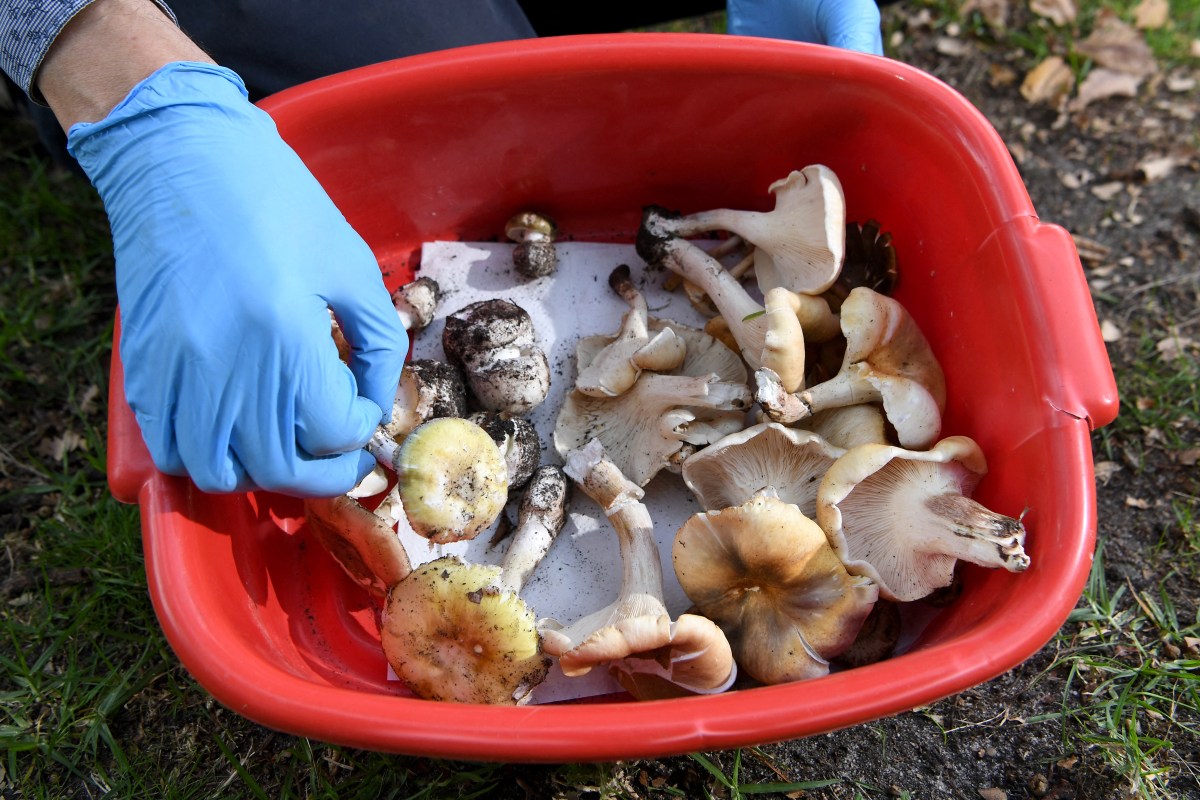
California health officials have reported the largest and deadliest outbreak of mushroom poisoning in the state’s history.
At least three adults have died, three others required liver transplants, and 35 people have been hospitalized due to the consumption of wild death cap mushrooms, according to a press release from the California Department of Public Health (CDPH) earlier this week.
Early last month, the Golden State had reported one death and 20 cases in the outbreak.
The growth in cases follows a season of unusually heavy rainfall, which contributed to the proliferation of the deadly fungi across Northern and Central California, particularly in areas such as the Monterey and San Francisco Bay regions, the release said.
Why It Matters
The ongoing outbreak has led California to issue repeated warnings against the foraging and consumption of wild mushrooms. It has also spotlighted the acute danger posed by death cap mushrooms, notorious for causing more than 90 percent of mushroom-related deaths worldwide, according to the Los Angeles Times.
Unlike previous years, the scale and severity of this outbreak have affected people of all ages, from children to seniors, and underscores a critical need for increased public education on the risks of wild mushroom consumption.
State officials say that in a typical year, there are fewer than five hospitalized mushroom poisoning cases, making this outbreak exceptionally rare and dangerous.
What To Know
Between November 18, 2025, and January 6, at least 35 people ranging from 19 months to 67 years old were hospitalized after consuming the wild mushrooms, according to the CDPH.
Three people have died and three have required urgent liver transplants. Most incidents occurred in Monterey County and the San Francisco Bay Area, but cases were reported in Alameda, Contra Costa, San Luis Obispo, San Mateo, Santa Clara, Santa Cruz, Sonoma counties and beyond.
“This is probably the largest outbreak in California history; 35 total cases, including three fatalities and three liver transplants,” Rais Vohra, a medical director for the California Poison Control System, told local news station KGO.
Why Are Death Cap Mushrooms So Dangerous?
The death cap mushroom, also known as Amanita phalloides, contains amatoxins that are lethal even in small quantities. No cooking, drying, freezing, or other preparation methods neutralize the toxin.
Early symptoms, such as nausea, vomiting, diarrhea, and abdominal pain, typically appear within six to 24 hours but can be followed by temporary improvement, misleading victims until potentially fatal liver damage develops 48-96 hours after ingestion.
What Does a Death Cap Mushroom Look Like?
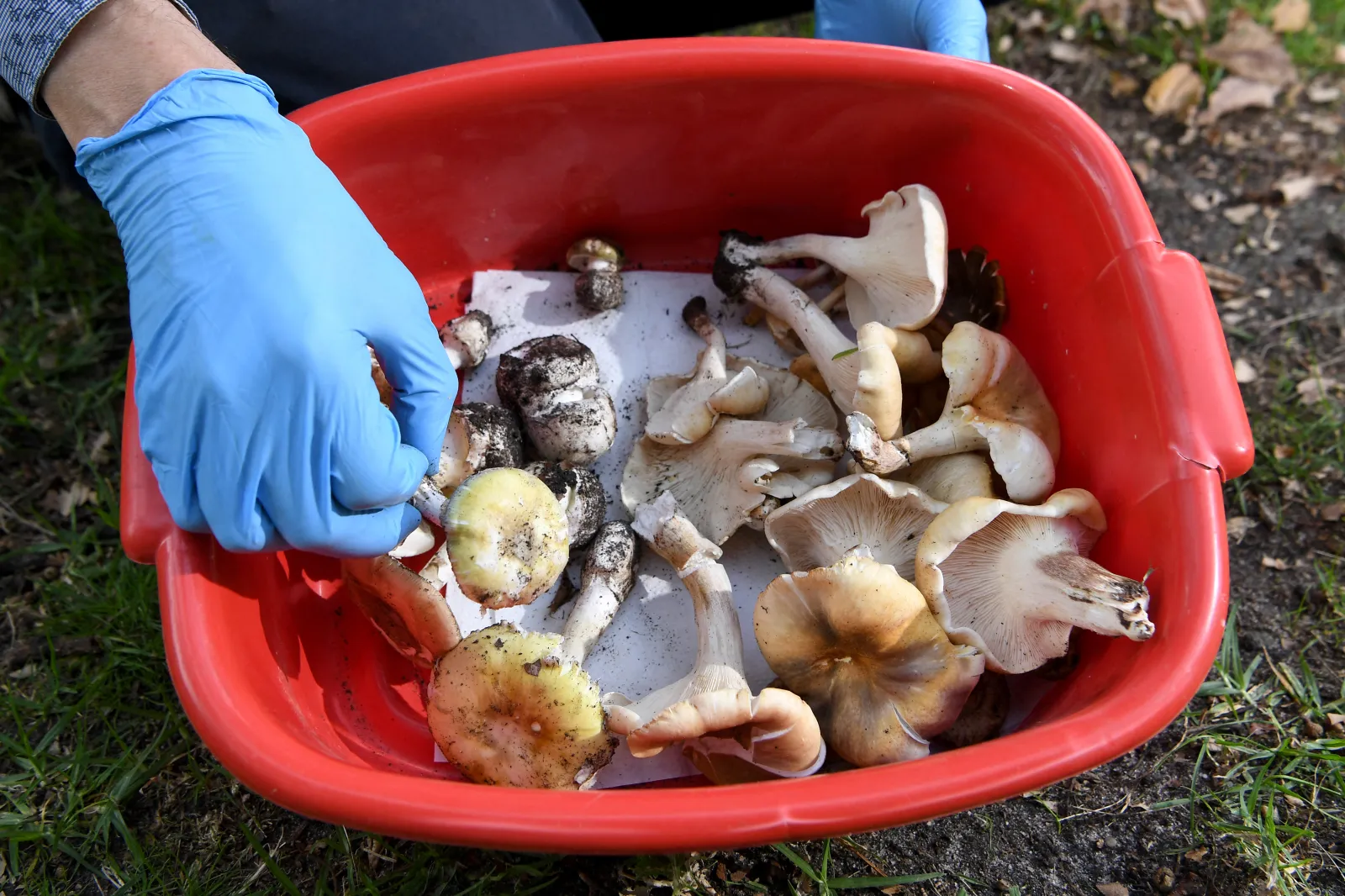
The death cap mushroom usually has a smooth, dome-shaped cap that ranges from pale green to yellow or olive, measuring two to six inches across.
Its gills are white, and a telltale cup-like volva sits at the base of its white stem. The presence of both a ring around the stem and the volva distinguishes it from some edible lookalikes, though even veteran foragers can be misled. Death caps thrive near oaks and other hardwoods, especially in humid, shady environments following rain.
Communities Most at Risk
Officials noted a disproportionate impact on immigrants and others with foraging traditions. Many victims mistook the death cap for edible species common in their home countries.
Laura Marcelino and Carlos Diaz from Salinas ate foraged mushrooms resembling those familiar from Oaxaca, Mexico, in November; both became critically ill, with Diaz ultimately requiring a liver transplant, the Los Angeles Times reported.
Mushroom-Related Incidents Worldwide
While California faces its deadliest season, other fatal mushroom poisonings have occurred globally, including in Australia, where Erin Patterson was charged in the deaths of three family members after allegedly serving death cap mushrooms in a meal in 2023. Patterson received a life sentence with a non-parole period of 33 years last year.
Additionally, two parents had their children removed from their custody after the entire family fell ill from eating mushrooms in the Abruzzo region of Italy in 2024, CNN reported.
What People Are Saying
Craig Smollin, medical director of the San Francisco division of the California Poison Control System, told the Los Angeles Times on Friday: “We have not had a season as deadly as this season both in terms of the total numbers of cases as well as deaths and liver transplants. I believe this is probably the largest outbreak that we’ve seen in California, ever.”
Dr. Erica Pan, CDPH Director and State Public Health Officer, said in a December press release: “Because the death cap can easily be mistaken for edible safe mushrooms, we advise the public not to forage for wild mushrooms at all during this high-risk season.”
 What Happens Next
The CDPH continues to coordinate with poison control and local agencies to track cases, raise awareness, and distribute multilingual warnings and educational materials statewide.
Public health officials urge Californians to purchase mushrooms only from reputable sources and seek immediate medical attention if poisoning is suspected.
The department warns that the risk will persist as long as conditions remain favorable for mushroom growth. Outreach programs and park advisories are expected to expand to prevent further accidental exposures.
For more information on identifying poisonous mushrooms and outbreak updates, residents are directed to resources from the California Department of Public Health and the California Poison Control System.