
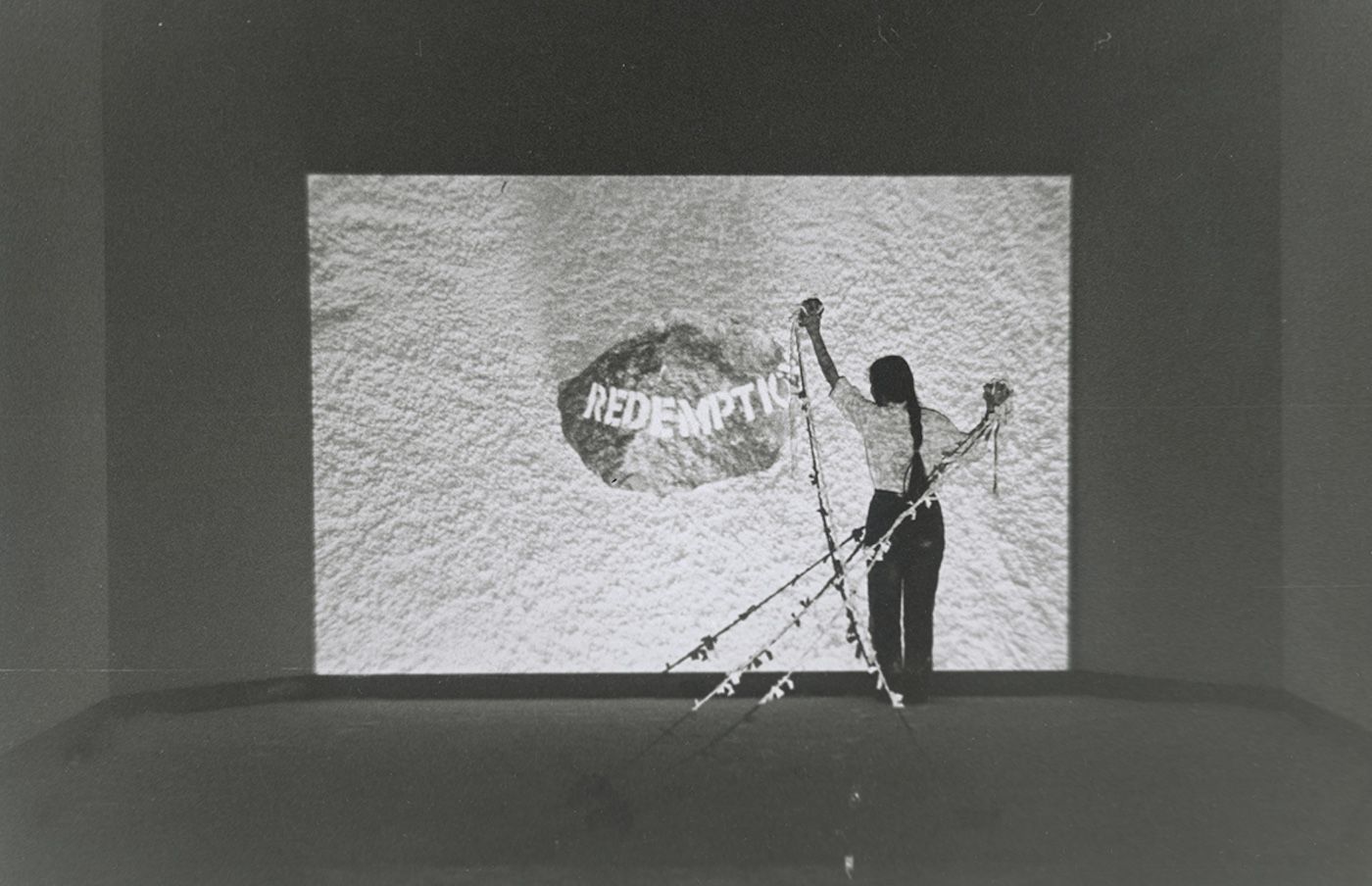
This week: tamales in a Union City parking lot, a rush hour happy hour standby, an urban farm, and a mid-century modern roundhouse. Plus, filling suitcases for foster kids, spotting birds in the city of Richmond, and seeing Berkeley in its heyday through a young artist’s eye.
At the base of San Francisco’s Fourth Street exit, the Hotel Utah Saloon has turned Bay Bridge gridlock into an accidental happy hour, drawing in drivers who decide waiting it out is better with a drink in hand.
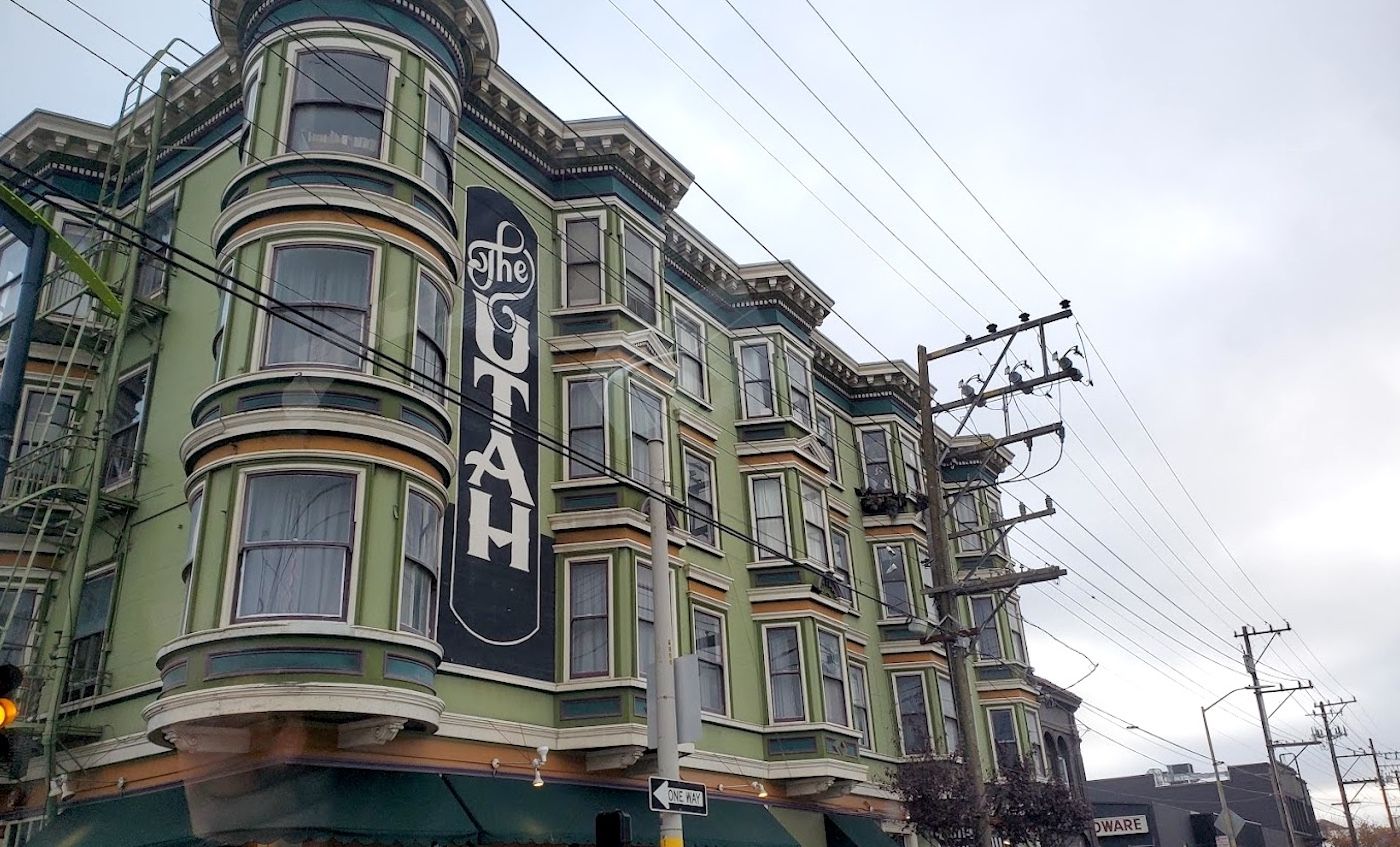 Pedro C./Google Reviews
The century-old bar and inn still remains affordable, from budget hotel rooms upstairs to food specials that feel almost unreal in 2026. Its $1 Wing Wednesdays, Taco Tuesday deals, and the “Hard Hat Special” keep construction workers, neighbors, and stranded commuters crossing paths. — SFGate
Hidden orchard
Behind a turquoise house in Oakland’s Laurel District, a backyard has grown into a thriving urban garden. Fruit trees, vegetables, bees, and chickens fill the long, sloped lot, which also hosts community gatherings and workshops. The space continues a decades-old vision, blending hands-on urban agriculture with shared meals and seasonal events.
Visitors can learn fruit tree pruning, composting, or other gardening skills while exploring the paths lined with persimmons, papayas, and peppers. Monthly events keep the garden active and open to the neighborhood. — The Oaklandside
Marsh mornings
Richmond’s Dotson Family Marsh drew a record crowd of birders for the city’s fifth annual Christmas Bird Count, despite heavy rain and flood warnings. Volunteers fanned out across the restored shoreline, scanning water and trees for ducks, raptors, and songbirds and spotting rare species like Canvasback ducks and Northern Rough-winged Swallows.
The marsh, protected and nurtured since the 1970s, provides vital habitat that’s slowly bringing back more birds to the area. Citizen scientists kept notes, scopes, and guides close, tracking hundreds of sightings and contributing to a century-old tradition that helps researchers monitor bird populations. The event wrapped with a tally of 178 species across Richmond’s parks and shorelines. — Richmondside
Parking lot tamales
A Bay Area food lover shared a chance lunch stop in Union City, where a couple was selling Guatemalan tamales from a van in a Ross parking lot. Wrapped in banana leaves and made with achiote, they were noticeably larger and heavier than the usual corn husk tamales.
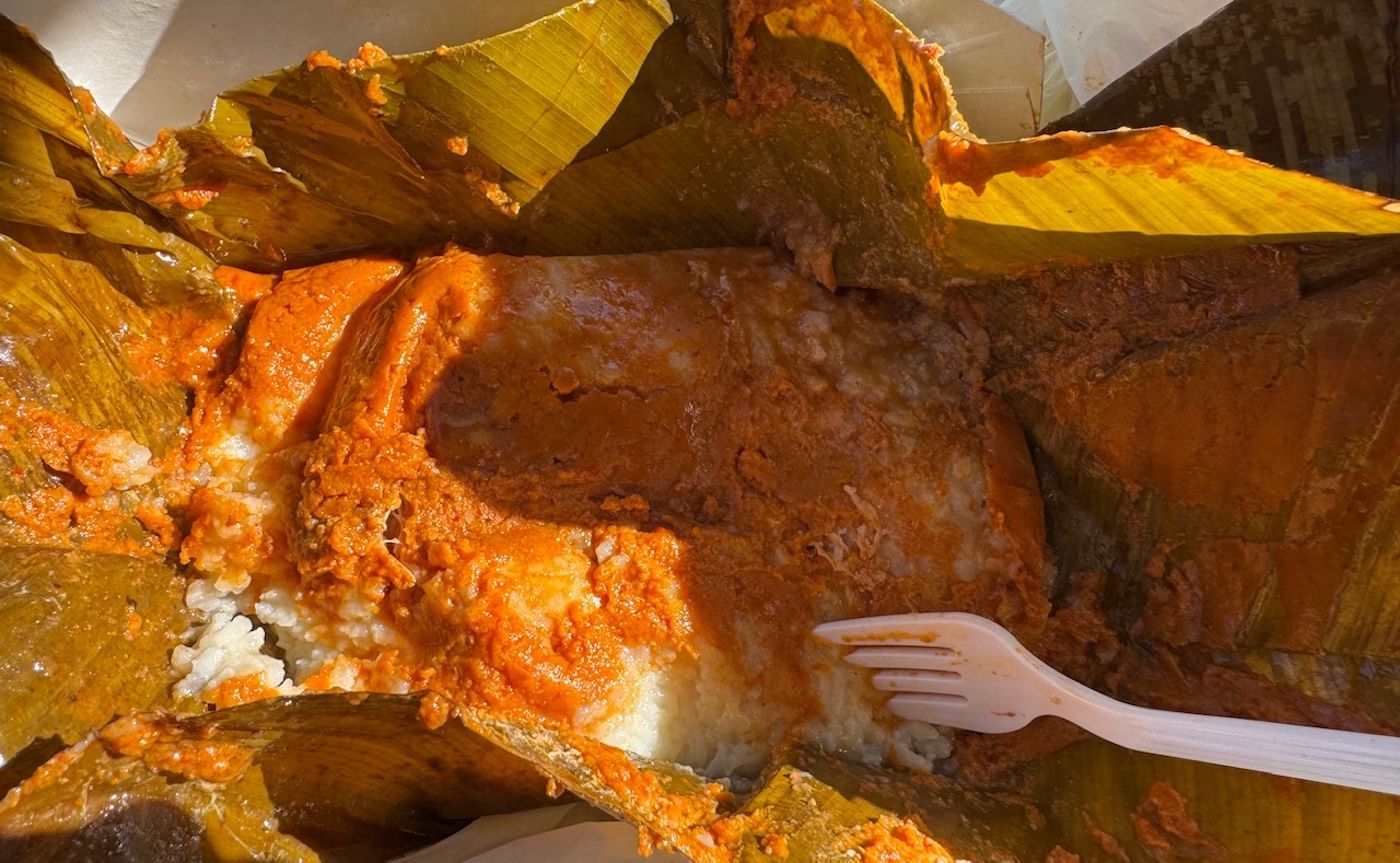 sck/Hungry Onion
The chicken and pork versions leaned closer to a full meal than a quick bite. A brief conversation placed their roots in Huehuetenango, in Guatemala’s highlands near the Chiapas border. The tamales are $5 each, sold outside the Ross off I-880 in Union City. — Hungry Onion
Color on every block
For decades, Bob Buckter, known around the city as Dr. Color, has shaped how San Francisco looks from the sidewalk up, painting and consulting on thousands of Victorians, churches, and storefronts. His palettes pull out the small architectural details most people pass without noticing, turning facades into layered compositions.
Working largely by instinct and experience, he helped define the bright, playful look that now feels inseparable from the city’s identity. Buckter now focuses on color consulting and recently released a book, Bob Buckter: Architectural Color Design, documenting his work across San Francisco and beyond. — KQED
A round among rectangles
Tucked into a wooded corner of Piedmont, the Leon Meyer house on Echo Lane curves where most homes draw straight lines. Built in 1972, it uses a circular floor plan to open up light, views, and space on a sloped lot, with rooms radiating outward instead of stacking into boxes.
It’s one of the few remaining round houses by Meyer in the Bay Area, and a clear example of his approach to building on difficult terrain. — Eichler Network
Fragments and echoes
Theresa Hak Kyung Cha’s work feels impossible to pin down — poetry, performance, film, and visual art all fold into one restless, searching practice. She arrived in Berkeley from South Korea as a teenager and grew up alongside the city’s radical energy in the ’60s and ’70s, letting language, memory, and displacement shape her art.
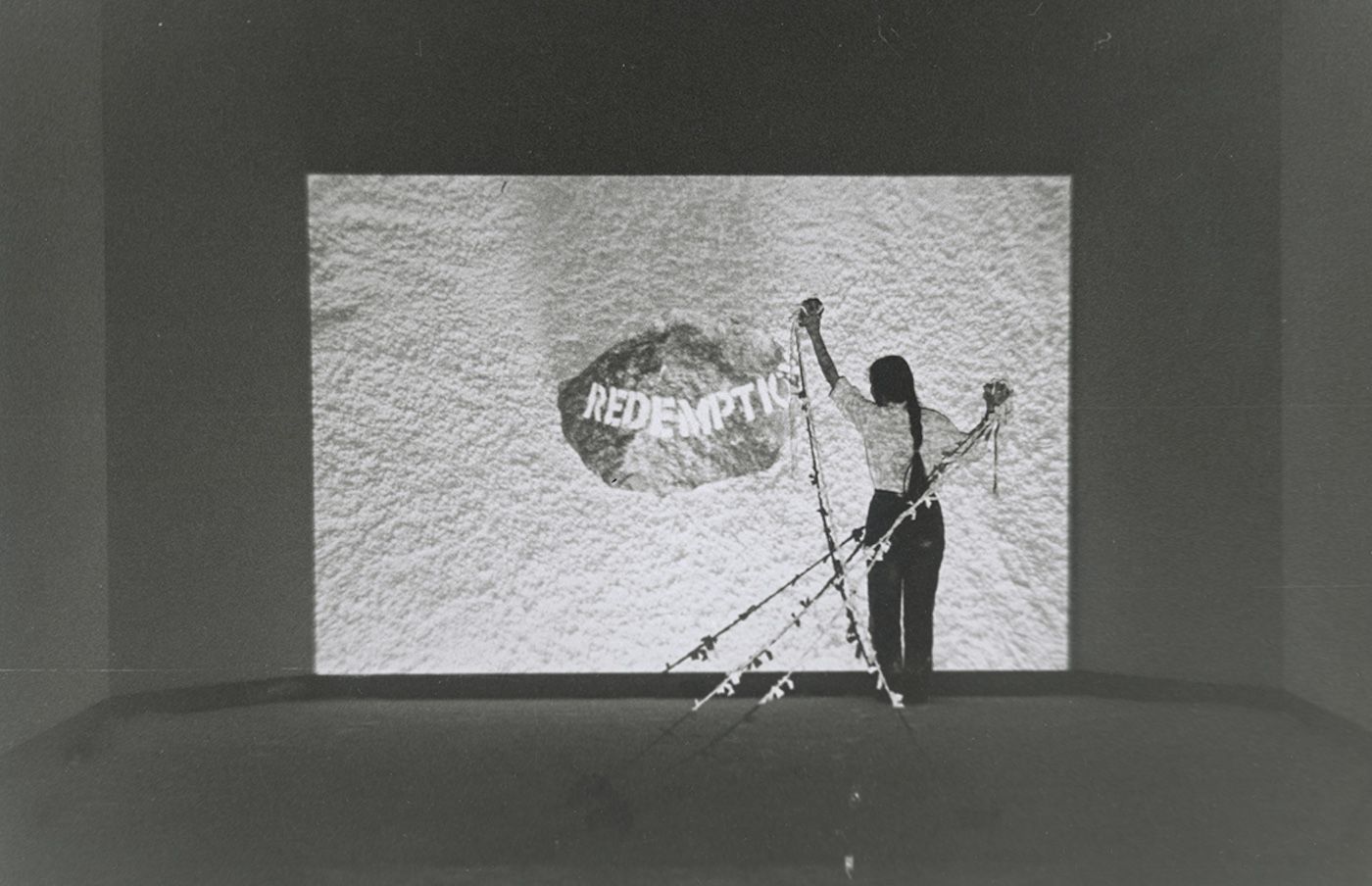 Theresa Hak Kyung Cha, Other Things Seen, Other Things Heard, 1978. Gift of the Theresa Hak Kyung Cha Memorial Foundation.
Multiple Offerings at BAMPFA gathers over a hundred works, including early ceramics and fiber pieces never before seen, alongside newer artists responding to her influence. The retrospective opens January 24 and runs through April 19, with talks, film screenings, performances, and a full reading of her hybrid literary work, Dictée. — Berkeleyside
Traveling light
In the East Bay, foster children often move with little more than a backpack, but a local volunteer is changing that. Margie Morris and her team pack brand-new suitcases with bedding, toys, and essentials for kids entering or shifting between homes, making each transition a bit steadier.
Over the past five years, hundreds of children in Contra Costa County have received these suitcases, tailored to age and needs. The effort relies on donations and volunteers, and the suitcases are distributed through the county’s social services to children in care, on field trips, or reuniting with family. — KPIX
Top Image: Theresa Hak Kyung Cha, Other Things Seen, Other Things Heard, 1978. Gift of the Theresa Hak Kyung Cha Memorial Foundation.
Previously: Field Notes: Ferry Concerts, Donkey Appreciation, Public Domain Day, and Celebrating Rave Culture