
Breaking from a one-size-fits-all approach to cancer treatments, a new study from researchers at the UC San Diego School of Medicine in La Jolla indicates a one-size-fits-one model may be even more effective.
The study, published Jan. 8 by the Journal of Clinical Oncology, says drug treatments can be personalized based on each patient’s tumor DNA and that doing so is safe and effective. The researchers say their study is the first to demonstrate that.
This can be done by using molecular testing and then delivering individualized multi-drug treatments for specific tumor mutations, according to a statement from UC San Diego Health.
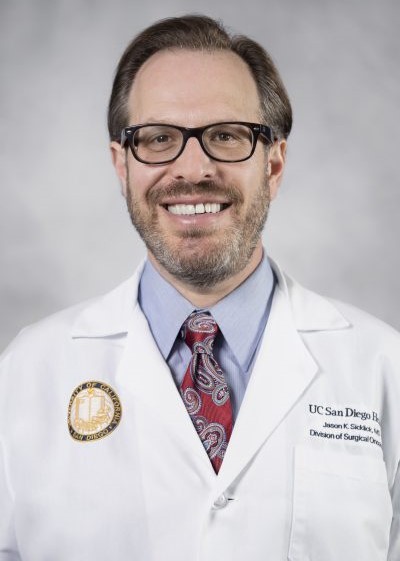
Dr. Jason Sicklick, the senior author of the paper, said “The trial was unique in that, for the first time, we really treated each patient as an individual in the sense of everyone’s tumor is a little bit different and everyone’s baseline is different.”
“Historically, the way a lot of trials are done is one marker in a tumor is identified among a lot of patients and those markers are targeted,” said Sicklick, a professor of surgery and pharmacology at the UCSD School of Medicine, a surgical oncologist with UCSD Health and a co-leader of the structural and functional genomics program at the university’s Moores Cancer Center. “But a given tumor may have two, three, four, five or even more other potential changes in the DNA, of which some of those may be targeted.”
This clinical trial, named Investigation of Profile-Related Evidence Determining Individualized Cancer Therapy, or I-PREDICT, identified changes that drive individuals’ cancer by using advanced genomic sequencing.
The work expands on interim analyses of I-PREDICT cohorts, published in Nature Medicine in 2019 and Genome Medicine in 2022, with more patients, longer follow-ups and recommendations on how other organizations can do precision cancer care. Work on I-PREDICT dates to 2013.
Rather than administering the same type of federally approved drugs at the same dosage levels — a one-size-fits-all approach — clinicians adapted to each patient and targeted the person’s particular molecular alterations.
This one-size-fits-one approach was tested with a cohort of 210 patients. Of that group, 95% had distinct tumor DNA profiles, according to UCSD Health.
In total, 157 different treatment regimens were administered; 103 of the drug pairings had not been tested together previously.
People with therapies most closely matched to their own tumor mutations had better treatment results and therefore higher chances of survival, according to the study.
The study also indicated that starting with lower doses of new drugs and slowly ramping them up made the treatments safer.
Sicklick said future studies will further explore the benefits of a precision approach, accounting for a patient’s genes and tumor characteristics.
“The next step for proving the efficacy of this approach, now that we’ve demonstrated that we can safely do it,” he said, “is to do a randomized clinical trial where we compare this methodology and this approach head to head with the standard of care therapies for tumors, and then determining whether this personalized approach is equally effective, more effective or less effective than the standard of care approach.” ♦