
DATES BACK TO 178 YEARS THIS WEEK, WHEN JAMES MARSHALL FOUND FLECKS OF GOLD ALONG THE SOUTH FORK OF THE AMERICAN RIVER. JANUARY 24TH, 1848. HE’S STANDING DOWN THERE, LOOKS DOWN AT HIS FEET, AND THERE’S THIS VERY SHINY THING IN THE WATER. HE PICKED IT UP, PUT IT ON A ROCK, GRABBED ANOTHER ROCK AND STARTED SMASHING IT. A MARSHALL HAD A FIFTH GRADE EDUCATION, AND HIS FAVORITE SUBJECTS WERE ASTRONOMY AND GEOLOGY. HE KNEW THAT GOLD FOUND IN NATURE WOULD BE VERY SOFT AND MALLEABLE. SO BY BEATING UP BETWEEN THE ROCKS, HE’S TESTING IT. SURE ENOUGH, IT FLATTENED OUT. THEN HE LOOKS BACK DOWN AT HIS FEET AND THERE ARE JUST PARTICLES OF GOLD EVERYWHERE. HE PICKED UP $15 WORTH OF GOLD IN A HALF AN HOUR. NOW THAT DOESN’T SOUND LIKE MUCH, BUT IN THOSE DAYS, GOLD WAS WORTH $20 AN OUNCE. HE JUST PICKED UP 15 DAYS WAGES. THAT’S WHAT THE MEN WERE MAKING A DOLLAR A DAY. THIRD OF MARSHALL’S DISCOVERY SPARKED THE LARGEST GOLD RUSH IN AMERICAN HISTORY. HUNDREDS OF THOUSANDS OF PEOPLE FLOCKED TO CALIFORNIA FOR THE CHANCE TO PAN FOR GOLD. SO THOUSANDS AND THOUSANDS OF PEOPLE CAME HERE. WE ESTIMATE THAT 90,000 PEOPLE SHOWED UP HERE IN 1849, AND ANOTHER 90,000 IN 1850. THAT LURE OF GOLD IN 1848, THEY WERE FINDING $20 WORTH OF GOLD PER PERSON PER DAY IN $4,910. IN 1855. WE KNOW THAT ONLY 5% OF THE PEOPLE THAT CAME HERE WENT HOME FEELING AS IF THEY WERE WEALTHY FAMILIES, AND STUDENTS CAN TRY THEIR LUCK SEARCHING FOR GOLD AT THE SAME PLACE. IT WAS DISCOVERED BACK IN 1848. THE MARSHALL GOLD DISCOVERY STATE HISTORIC PARK OFFERS TOU
‘This started California’: The history behind California’s gold rush | California Politics 360

Updated: 9:09 PM PST Jan 16, 2026
Jan. 24, 1848, marked the start of the famous California Gold Rush.California State Parks said James Marshall found flecks of gold in the tailrace of the sawmill he was building for John Sutter. “He picked up $15 worth of gold in half an hour,” said Ed Allen, the park historian for the Marshall Gold Discovery State Historic Park. “That doesn’t sound like much, but in those days, gold was worth $20 an ounce. He just picked up 15 days’ wages, that’s what the men were making — a dollar a day.”Word of the discovery sparked the largest gold rush in American history.”Thousands and thousands of people came here. We estimate 90,000 people showed up here in 1849 and another 90,000 in 1850,” Allen said. “In 1848, they were finding $20 worth of gold per person per day. In 1849 — $10 and in 1850 — $5.”Allen estimates that we have only found 10 to 15% of the gold in California.”The gold that James Marshall found was what we called Placer gold,” Allen said.It’s the type of gold in the sand banks along the creeks and rivers. It’s different than hard rock gold or lode gold. Allen said that gold can be found in quartz veins in the mountains.Families and students can still pan for gold close to where Marshall made the discovery 178 years ago. The park has a panning beach, which is across the bridge and downstream.”You are allowed to take gold, rocks and fruit when it is in season from this park, and that’s a rarity. Most state parks, you cannot take anything,” Allen said.The park is located on Highway 49 between Auburn and Placerville. The Marshall Gold Discovery State Historic Park offers walking tours twice a day. The tours cost $3 for an adult and $2 for a child. The state park also offers 15-minute gold panning lessons multiple times a day. This story was produced as part of California Politics 360. See more from the show here. See more coverage of top California stories here | Download our app | Subscribe to our morning newsletter | Find us on YouTube here and subscribe to our channel
COLOMA, Calif. —
Jan. 24, 1848, marked the start of the famous California Gold Rush.
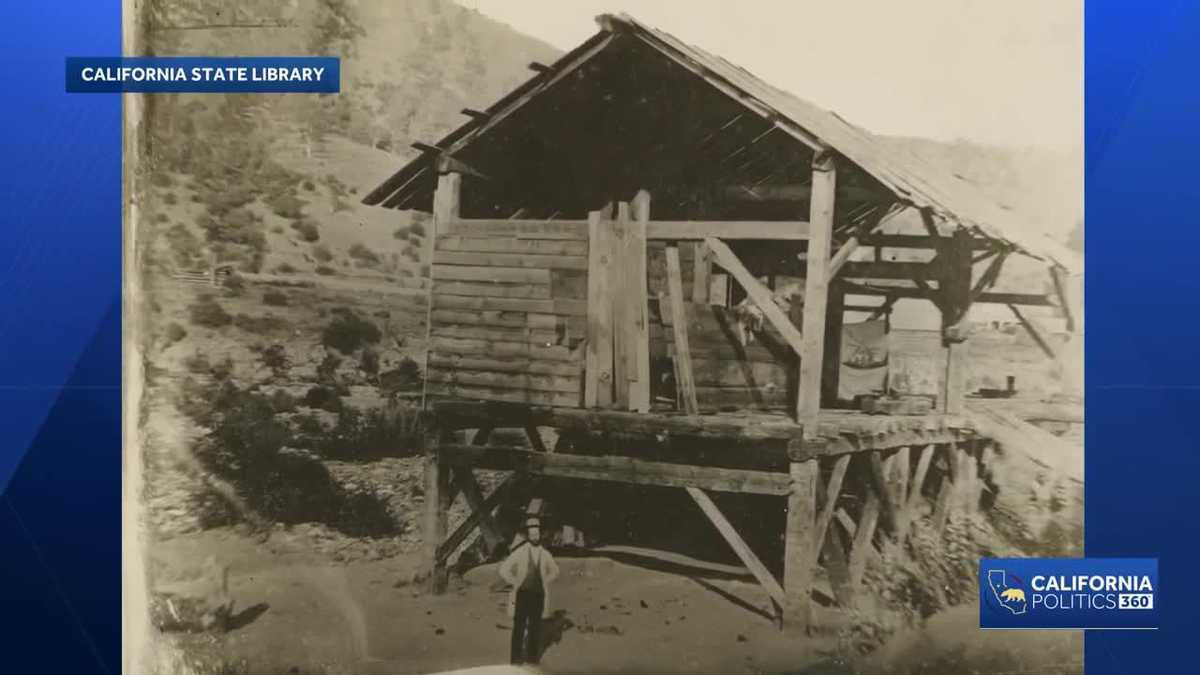
California State Parks said James Marshall found flecks of gold in the tailrace of the sawmill he was building for John Sutter.
“He picked up $15 worth of gold in half an hour,” said Ed Allen, the park historian for the Marshall Gold Discovery State Historic Park. “That doesn’t sound like much, but in those days, gold was worth $20 an ounce. He just picked up 15 days’ wages, that’s what the men were making — a dollar a day.”
Word of the discovery sparked the largest gold rush in American history.
“Thousands and thousands of people came here. We estimate 90,000 people showed up here in 1849 and another 90,000 in 1850,” Allen said. “In 1848, they were finding $20 worth of gold per person per day. In 1849 — $10 and in 1850 — $5.”
Allen estimates that we have only found 10 to 15% of the gold in California.
“The gold that James Marshall found was what we called Placer gold,” Allen said.
It’s the type of gold in the sand banks along the creeks and rivers. It’s different than hard rock gold or lode gold. Allen said that gold can be found in quartz veins in the mountains.
Families and students can still pan for gold close to where Marshall made the discovery 178 years ago. The park has a panning beach, which is across the bridge and downstream.
“You are allowed to take gold, rocks and fruit when it is in season from this park, and that’s a rarity. Most state parks, you cannot take anything,” Allen said.
The park is located on Highway 49 between Auburn and Placerville. The Marshall Gold Discovery State Historic Park offers walking tours twice a day. The tours cost $3 for an adult and $2 for a child. The state park also offers 15-minute gold panning lessons multiple times a day.
This story was produced as part of California Politics 360. See more from the show here.
See more coverage of top California stories here | Download our app | Subscribe to our morning newsletter | Find us on YouTube here and subscribe to our channel