
DIEGO’S NORTH ISLAND BACK IN 1911 WITH THE HELP OF PIONEER AIRCRAFT MANUFACTURER GLENN CURTISS. CURTISS WAS A VERY ENTREPRENEURIAL. YOU KNOW, HE VERY CUSTOMER FOCUSED, MEANING THAT HE WASN’T GOING TO SHOW UP WITH SOMETHING THE NAVY WASN’T INTERESTED IN. AND AND, YOU KNOW, HE HE DEVELOPED A QUALITY PRODUCT AND, AND THAT KIND OF A REPUTATION. SO I THINK IT WAS A VERY NATURAL FIT FOR US, YOU KNOW, IN THE NAVY, AFTER THE SUCCESSFUL FLIGHT OF HIS A-1 TRIAD, CURTISS WAS ABLE TO SELL THE SEAPLANE TO THE NAVY. JUST A FEW MONTHS LATER, WHEN CURTISS CAME IN AND MADE THE SUCCESSFUL FLIGHT RIGHT HERE AT NORTH ISLAND. I THINK IT WAS IMPORTANT, YOU KNOW, NOT NECESSARILY FOR CALIFORNIA. OKAY, SAN DIEGO, IT WAS IMPORTANT FOR THE NATION, THE A-1 TRIAD MADE 285 FLIGHTS AND HAD NUMEROUS REBUILDS BEFORE IT WAS DAMAGED IN A CRASH I
Naval aviation first took off in San Diego | California Politics 360
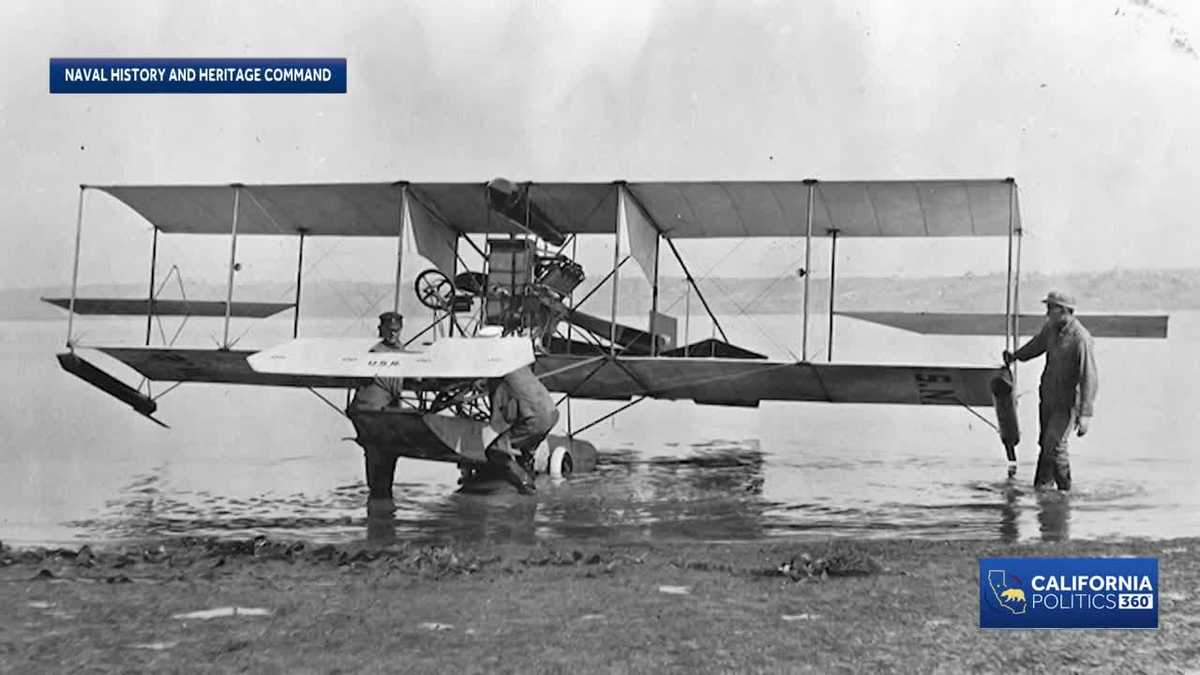
Curtiss developed the Navy’s first aircraft – the A-1 Triad.

Updated: 8:25 AM PST Jan 25, 2026
Naval aviation took off on San Diego’s North Island in 1911 with the help of pioneer aircraft manufacturer Glenn Curtiss.“Curtiss was a very entrepreneurial, very customer-focused, meaning that he wasn’t going to show up with something the Navy wasn’t interested in,” said Jim Kidrick, the president of the San Diego Air & Space Museum. Kidrick served two tours in the Navy as a pilot.Curtiss developed the Navy’s first aircraft – the A-1 Triad. The San Diego Air & Space Museum said Curtiss introduced the Triad when he completed his first flight using the Triad on January 26, 1911, from the North Island. “The Navy needed to get in the game. So, this was very, very important. I think the Navy, when they met with Curtiss, they knew they were going to be a buyer of something. He certainly offered them a product that was water-based.”The Navy ordered the A-1 Triad in May 1911. Curtiss convinced the Navy of the airplane’s use by flying an early floatplane to a ship and landing along the water alongside it, the Naval History and Heritage Command said. Two months later, Curtiss flew the A-1 Triad on its maiden flight for the Navy, the Naval History and Heritage Command said. The July 1 flight lasted five minutes as Curtiss took off and landed on Keuka Lake in New York, the U.S. Naval Institute said. It was one of three flights made that day. The remainder of the flights were flown by Lt. Theodore G. Ellyson. Curtiss trained Ellyson at his aviation camp on North Island, the U.S. Naval Institute said.“The importance of San Diego to Naval Aviation is huge. There is no doubt about it,” Kidrick said. Families can learn about the impact Curtiss had on Naval Aviation and see a replica of the A-1 Triad at the San Diego Air & Space Museum. “One of the things I like about what we do is that we are about air and space. So, we kind of cover all the topics — whether it’s military aviation, general aviation, commercial aviation, space,” Kidrick said.See more coverage of top California stories here | Download our app | Subscribe to our morning newsletter | Find us on YouTube here and subscribe to our channelKCRA 3 Political Director Ashley Zavala reports in-depth coverage of top California politics and policy issues. She is also the host of “California Politics 360.” Get informed each Sunday at 8:30 a.m. on KCRA 3.
Naval aviation took off on San Diego’s North Island in 1911 with the help of pioneer aircraft manufacturer Glenn Curtiss.
“Curtiss was a very entrepreneurial, very customer-focused, meaning that he wasn’t going to show up with something the Navy wasn’t interested in,” said Jim Kidrick, the president of the San Diego Air & Space Museum. Kidrick served two tours in the Navy as a pilot.
Curtiss developed the Navy’s first aircraft – the A-1 Triad. The San Diego Air & Space Museum said Curtiss introduced the Triad when he completed his first flight using the Triad on January 26, 1911, from the North Island.
“The Navy needed to get in the game. So, this was very, very important. I think the Navy, when they met with Curtiss, they knew they were going to be a buyer of something. He certainly offered them a product that was water-based.”
The Navy ordered the A-1 Triad in May 1911. Curtiss convinced the Navy of the airplane’s use by flying an early floatplane to a ship and landing along the water alongside it, the Naval History and Heritage Command said.
Two months later, Curtiss flew the A-1 Triad on its maiden flight for the Navy, the Naval History and Heritage Command said. The July 1 flight lasted five minutes as Curtiss took off and landed on Keuka Lake in New York, the U.S. Naval Institute said. It was one of three flights made that day. The remainder of the flights were flown by Lt. Theodore G. Ellyson. Curtiss trained Ellyson at his aviation camp on North Island, the U.S. Naval Institute said.
“The importance of San Diego to Naval Aviation is huge. There is no doubt about it,” Kidrick said.
Families can learn about the impact Curtiss had on Naval Aviation and see a replica of the A-1 Triad at the San Diego Air & Space Museum.
“One of the things I like about what we do is that we are about air and space. So, we kind of cover all the topics — whether it’s military aviation, general aviation, commercial aviation, space,” Kidrick said.
See more coverage of top California stories here | Download our app | Subscribe to our morning newsletter | Find us on YouTube here and subscribe to our channel
KCRA 3 Political Director Ashley Zavala reports in-depth coverage of top California politics and policy issues. She is also the host of “California Politics 360.” Get informed each Sunday at 8:30 a.m. on KCRA 3.