
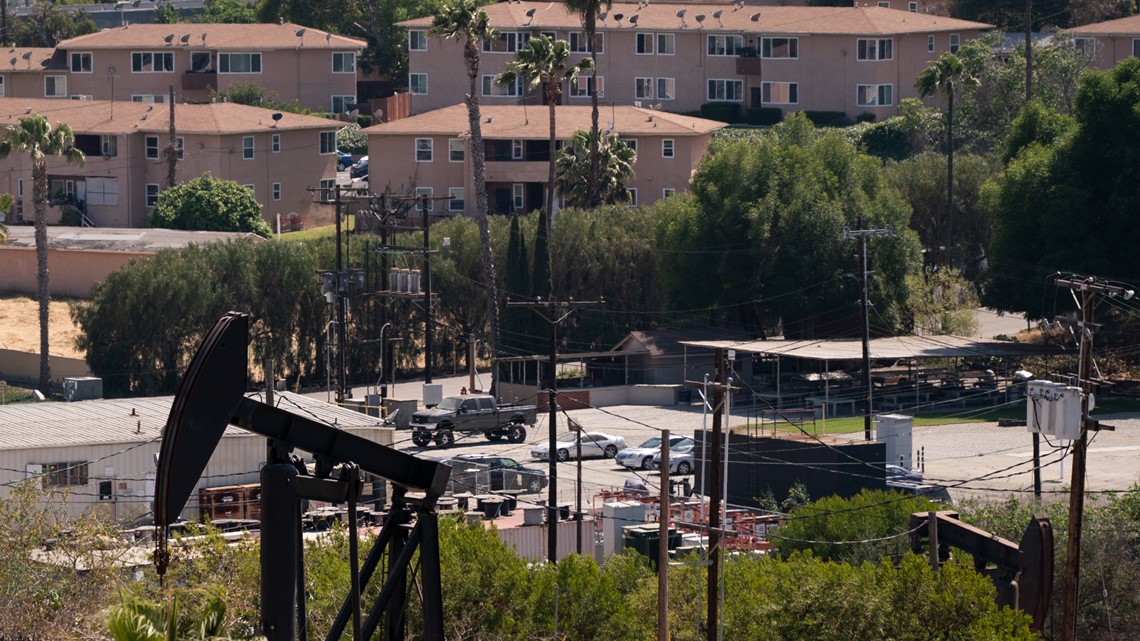
SB1137 was passed in 2022 and fully enacted in 2024. It now faces multiple legal challenges
SACRAMENTO, Calif. — A long-simmering clash between California lawmakers and oil and gas interests is escalating again, as mineral rights holders filed a lawsuit seeking to overturn a state law that restricts drilling near homes, schools and hospitals.
The lawsuit targets Senate Bill 1137, a measure passed by the Legislature in 2022 and fully implemented in 2024. The law establishes so-called health protection zones, prohibiting new oil and gas wells within roughly 3,200 feet of sensitive sites such as residences, schools and health care facilities.
Supporters of the law say the buffer zones are necessary to protect public health from pollution linked to drilling operations. Opponents argue the restrictions amount to an unconstitutional taking of private property.
Advocates for mineral rights holders say the law disproportionately harms private citizens who own subsurface mineral rights, an estimated 600,000 Californians statewide.
“For many of them, SB 1137 wipes out income they depend on for mortgages, medical needs and sustaining family farms and small businesses,” said Ed Hazard, president of the National Association of Royalty Owners–California.
The lawsuit was filed by a family that says the law violates generations-old property rights by effectively preventing them from accessing those minerals. The legal challenge follows a separate complaint filed earlier this month by the Trump administration, which also argues the law unlawfully restricts energy development.
Jeff Jennings, an attorney with the Pacific Legal Foundation, said California may pursue aggressive climate policies, but cannot place the cost on a narrow group of property owners.
“California can pursue whatever climate policy it wants,” Jennings said. “But it can’t force a small group of property owners to bear that entire burden.”
Critics of SB 1137 also warn of broader economic impacts, including job losses and higher fuel costs.
“Gas prices go up, jobs disappear, and families lose opportunities that supported generations,” said Jesse Rojas, founder of California Farm Workers and Families.
In 2024, the oil industry spent $9 million to put a measure to repeal the law on the ballot, but ultimately withdrew that effort.
The legal fight comes amid growing concern among Republican lawmakers over the state’s fuel supply. On Wednesday, Senate Republicans sent a letter to Gov. Gavin Newsom requesting an emergency legislative session, citing the impending shutdown of the Valero Benicia refinery in Northern California. The request follows the recent closure of the Phillips 66 refinery in Los Angeles.
Republicans argue the refinery closures could increase California’s reliance on foreign oil, threatening energy security in a state that remains the fifth-largest oil-producing state in the nation.
Assemblymember Stan Ellis, a Republican from Bakersfield, said the situation underscores how constrained oil and gas operations have become in California.
“It kind of shows how restricted we are in the oil and gas world,” Ellis said. “And we need the governor to say, ‘Hey, wait a minute, we’re going to have a national security threat here if we’re not careful.’”
Ellis, for months, has sounded the alarm bells that increased reliance on foreign oil — rather than domestic production in places like Kern County — would pose a national security threat.
Gov. Newsom pushed back on the emergency session request in a post on social media, arguing that gas prices are currently lower than they were when he first took office and crediting previous special legislative sessions that Republicans opposed.
“Gas prices are cheaper today (in real dollars) than they were during Gavin Newsom’s first month in office,” Newsom wrote, adding that California is experiencing its lowest gas prices in four years.
Senate President Pro Tem Monique Limón also weighed in, telling ABC10, “Last year the legislature passed bipartisan policy that addressed the need to maintain existing oil refinery infrastructure in California as we transition towards green energy. Additionally, we have increased in-state production and broadened the number of blends we can utilize to keep costs down. It’s also important to note that gas prices are 15 cents lower today than they were this time last year. Certainly, we will have to continue to look into ways to keep gas prices down. We are at the beginning of a legislative year, and look forward to examining and deliberating issues.”
A spokesperson for Assembly Speaker Robert Rivas said he typically doesn’t respond to requests from senators.
And on the lawsuit, a spokesperson for Newsom wrote back, “SB 1137 creates a science-based buffer zone so kids can go to school, families can live in their homes, and communities can exist without breathing toxic fumes from oil wells that cause asthma, birth defects, and cancer. California will continue to defend our communities.”
The case adds to a growing legal and political battle over how far California can go in regulating oil and gas operations as it pursues aggressive climate and public health goals — and who ultimately bears the cost of those policies.
Watch more: California lawmakers take aim at corporations profiting from ICE detention
ABC10: Watch, Download, Read