
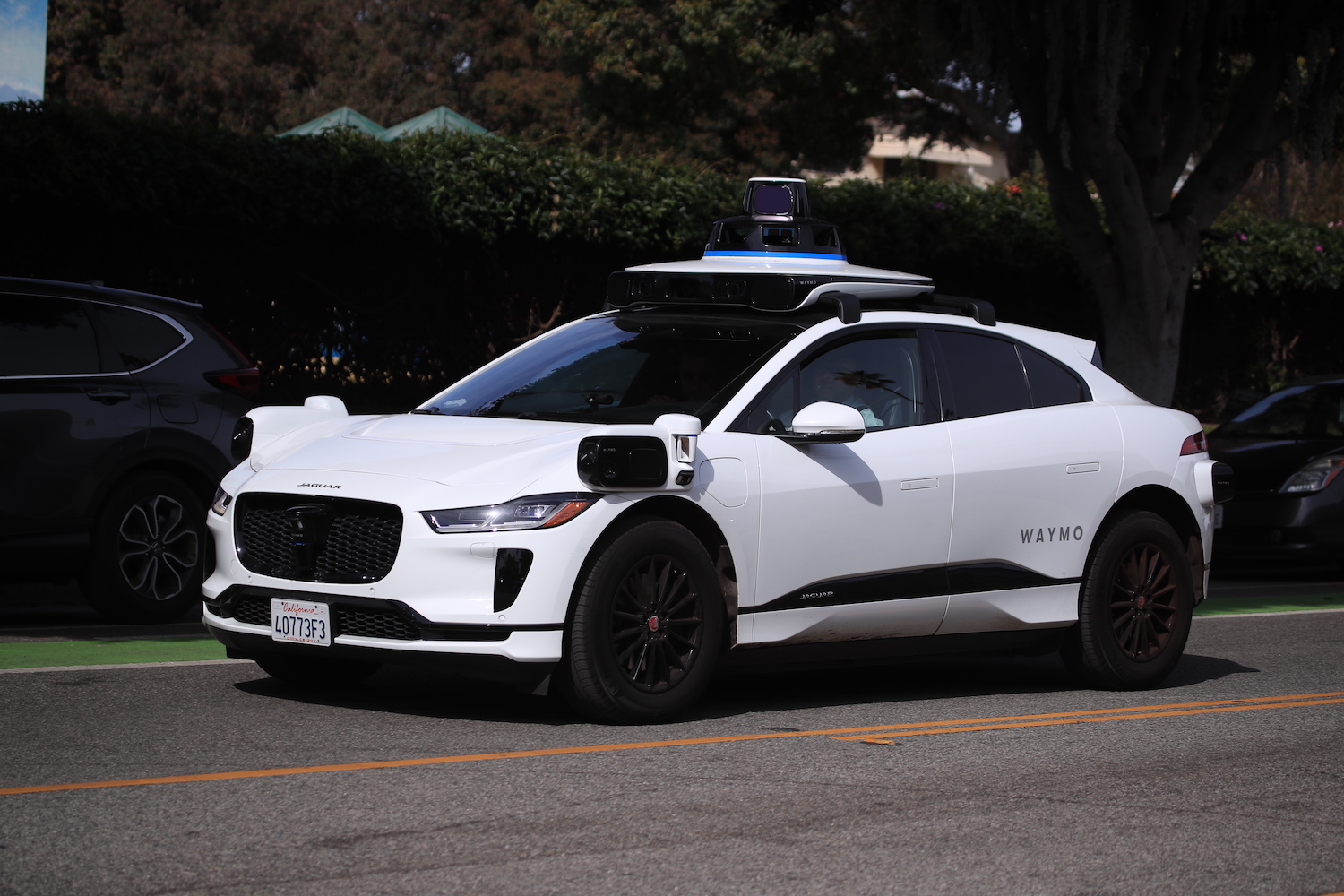
As autonomous vehicles become a regular presence on city streets a recent crash raises questions about safety trust and how fast the future should arrive
On a quiet Sunday morning in Echo Park, video captured a Waymo vehicle plowing into parked cars along a narrow street near Dodger Stadium. A man unloading groceries leapt out of the way just in time as the van rolled past him and onto the embankment of a residential block. Miraculously, no one was hurt. The company later confirmed that the vehicle was not in autonomous mode at the time and was being manually driven by an autonomous specialist when it left the road and struck at least two cars.
Call it unfortunate luck or early growing pains, but the incident raises big questions about how quickly self-driving vehicles should be folded into the fabric of a city as complex and chaotic as Los Angeles. Waymo is not alone in making headlines for safety issues. In recent weeks, federal investigators opened a probe into Waymo robo taxis improperly passing stopped school buses in Texas, an error that could put children at risk.
In theory, self-driving technology could reduce the hundreds of thousands of yearly collisions caused by human error, improve traffic flow, and give mobility options to people who are unable to drive. Peer-reviewed research suggests that advanced driver assistance systems can lower crash rates in many circumstances and that fully autonomous systems have the potential to reshape urban landscapes by reducing the need for parking and enabling more efficient land use.
But reality on the streets is messier. Cities are dense with unpredictable human behavior and ambiguous spaces that tax even the most advanced algorithms. Real-world data on autonomous vehicle safety is still emerging, and in some early evaluations, self-driving vehicles have been involved in more accidents per mile than conventional cars under certain conditions.
The Echo Park crash underscores that adopting self-driving cars is not just a technical challenge but a cultural and regulatory one. For every promise of safer streets and more equitable mobility, there are questions of public trust and accountability. Los Angeles is already testing automated mobility solutions and urban planners must wrestle with how to integrate this technology without putting pedestrians and neighborhoods at risk.