
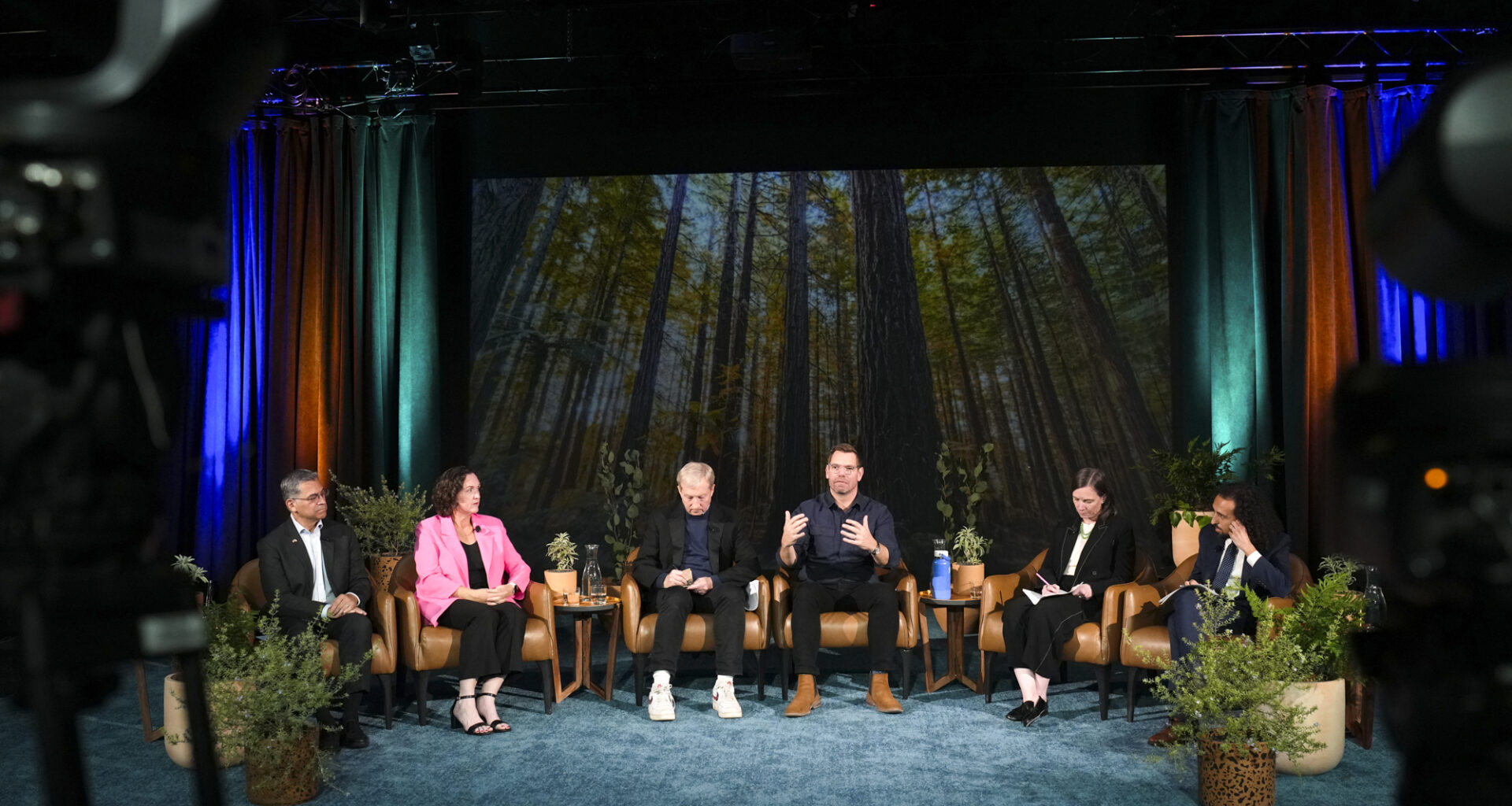
Paasha Mahdavi, a political science professor at UC Santa Barbara, said the candidate forum lacked bold ideas and proposals that voters, especially young people, are asking for to address climate change.
“If you’re not going to be bold in an EnviroVoters conversation, where are you gonna be bold?” Mahdavi said. “It’s not enough to be singing in the shower, get out on stage.”
Leah Stokes, a political science professor also at UC Santa Barbara, listened to the forum and said it was exciting to hear four democrats actually “prioritize climate.”
“Whether or not they do everything they say in this forum, if one of them becomes Governor, is an open question,” Stokes said.
Stokes said voters associate Newsom’s climate policies with the high cost of energy, and that’s one area where the candidates clearly tried to establish a contrast with their own ideas.
“The debate in many ways was less about the candidates debating each other and more about them debating Newsom’s record,” Stokes said. “He’s been a really big climate champion, and he certainly bills himself that way. But he’s also allowed electric utilities to consistently jack up rates, and that is creating an affordability crisis.”
She said Steyer — who ran for President on a climate-forward platform but has since leaned into an affordability message — was the boldest on climate action, but she did not think any of the candidates stole the limelight.
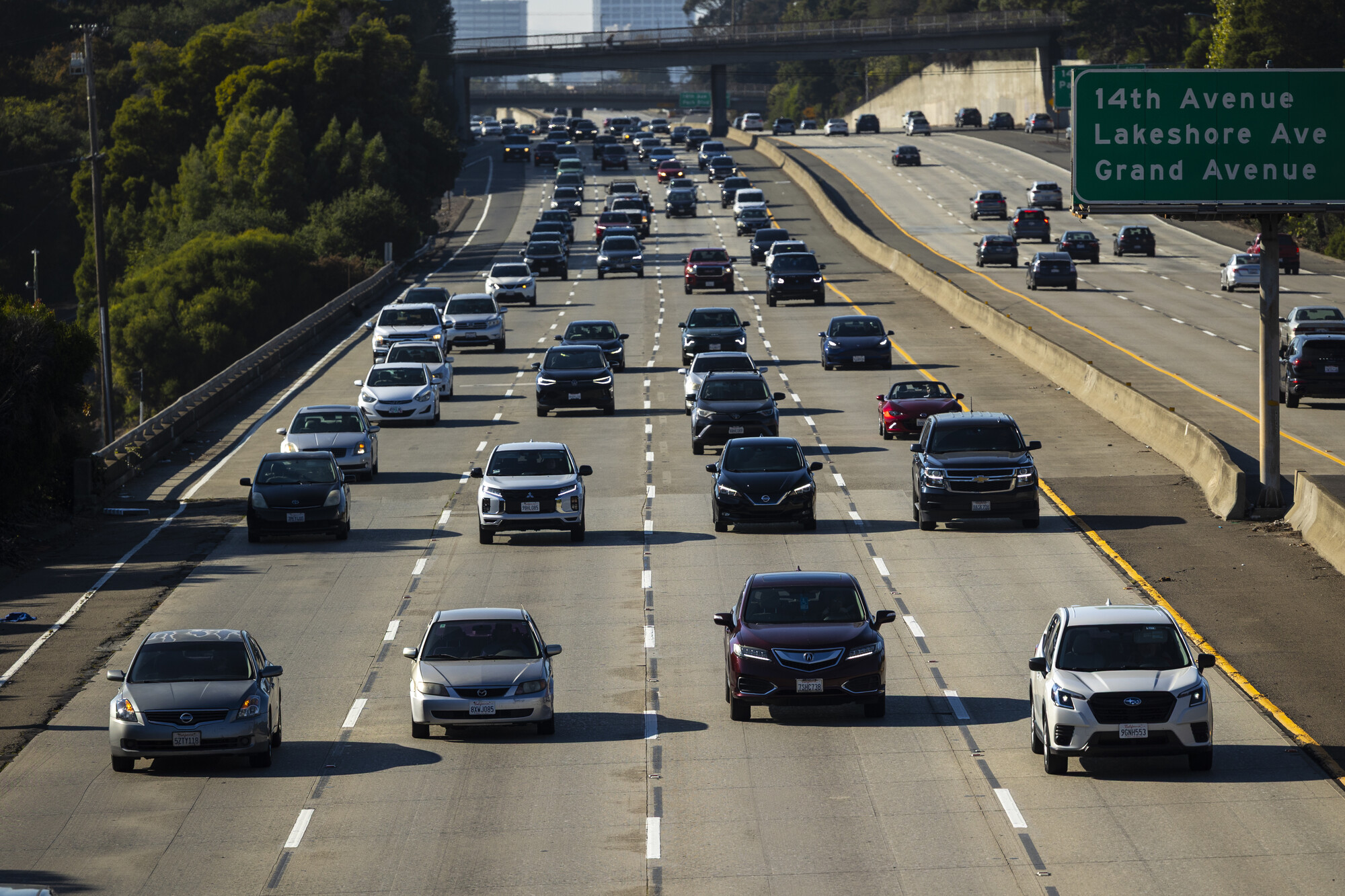 The 580 freeway in Oakland on Oct. 21, 2025. (Martin do Nascimento/KQED)
“Newsom’s got real charisma, and I don’t know if any of these candidates have that as much, which isn’t a criticism of them, but I think that’s part of why we’re not seeing a clear frontrunner,” Stokes said.
California Environmental Voters, an event sponsor, released new polling this week that showed 65% of voters want the price of electric vehicles to become more affordable. The largest proportion of the state’s greenhouse gas emissions comes from transportation.
Porter acknowledged the Trump administration’s efforts to block California from requiring 100% of vehicles be zero-emission or electric by 2035, but said the state also has other issues when it comes to electric cars, like high monthly loan payments and a lack of charging infrastructure.
“California has built charging stations, but we are not anywhere near where we need to be, and those charging stations are not necessarily located in all of the communities they need to be in in order for us to make progress,” Porter said.
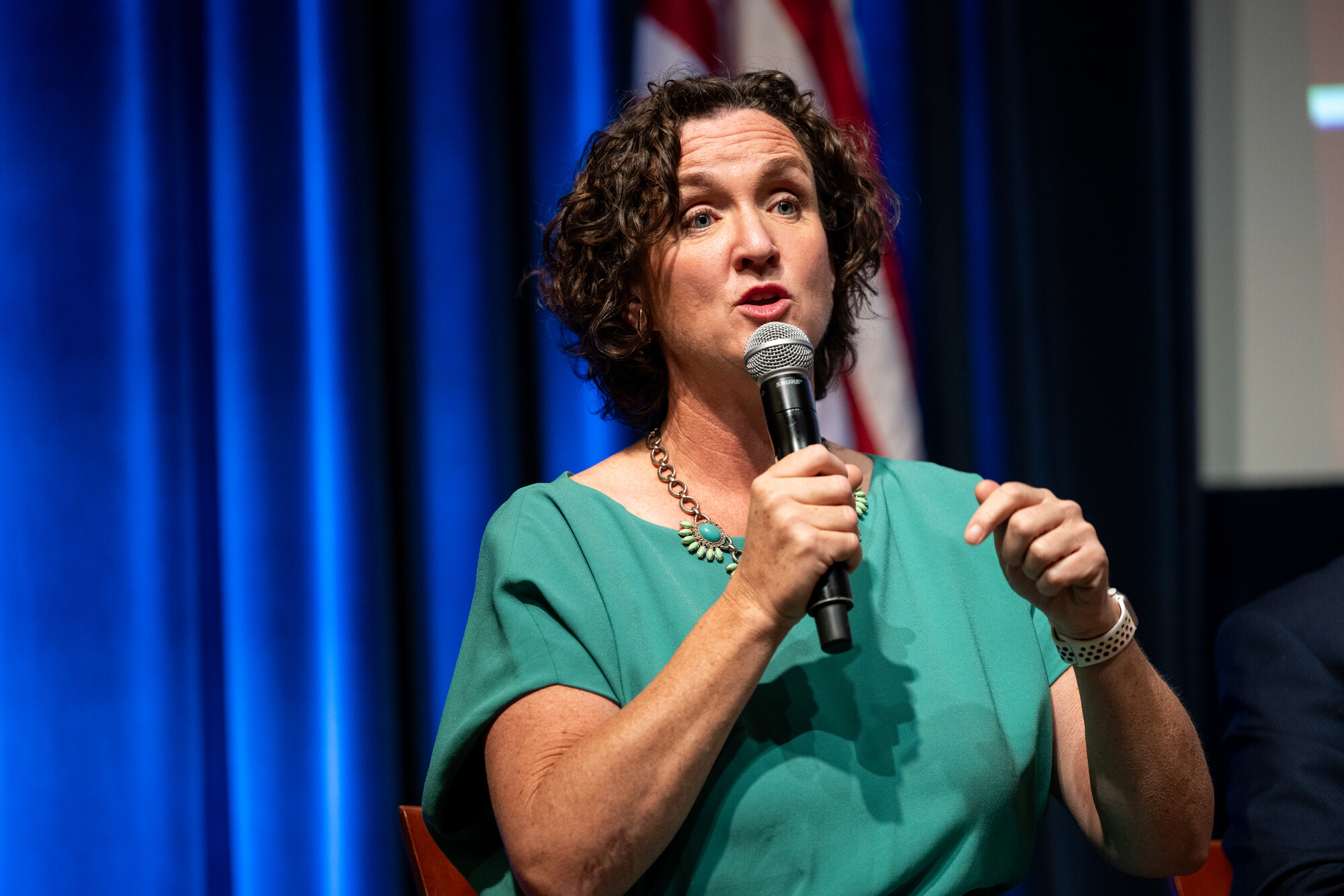 Former U.S. Rep. Katie Porter speaks during a gubernatorial candidate forum at the UCSF Mission Bay campus in San Francisco on Jan. 26, 2026. (Beth LaBerge/KQED)
Steyer also hit on the affordability of electric vehicles, noting that “the job of the governor” is to make sure the price comes down by making affordable electric cars produced in places like China available to Californians.
“It may be complicated, but the facts are on the ground and by 2035, there’ll be $15,000 electric vehicles available,” Steyer said. “Mark my words.”
Steyer was initially the only candidate who said he would take steps to hold the oil industry accountable for the climate impacts on this state, saying he would have polluters pay “100%.”
But when moderator Sammy Roth, who writes the Climate-Colored Goggles Substack, pressed the candidates, they all agreed they would support legislation — which has repeatedly failed in California — to force oil companies to pay for damages from wildfires and severe storms.
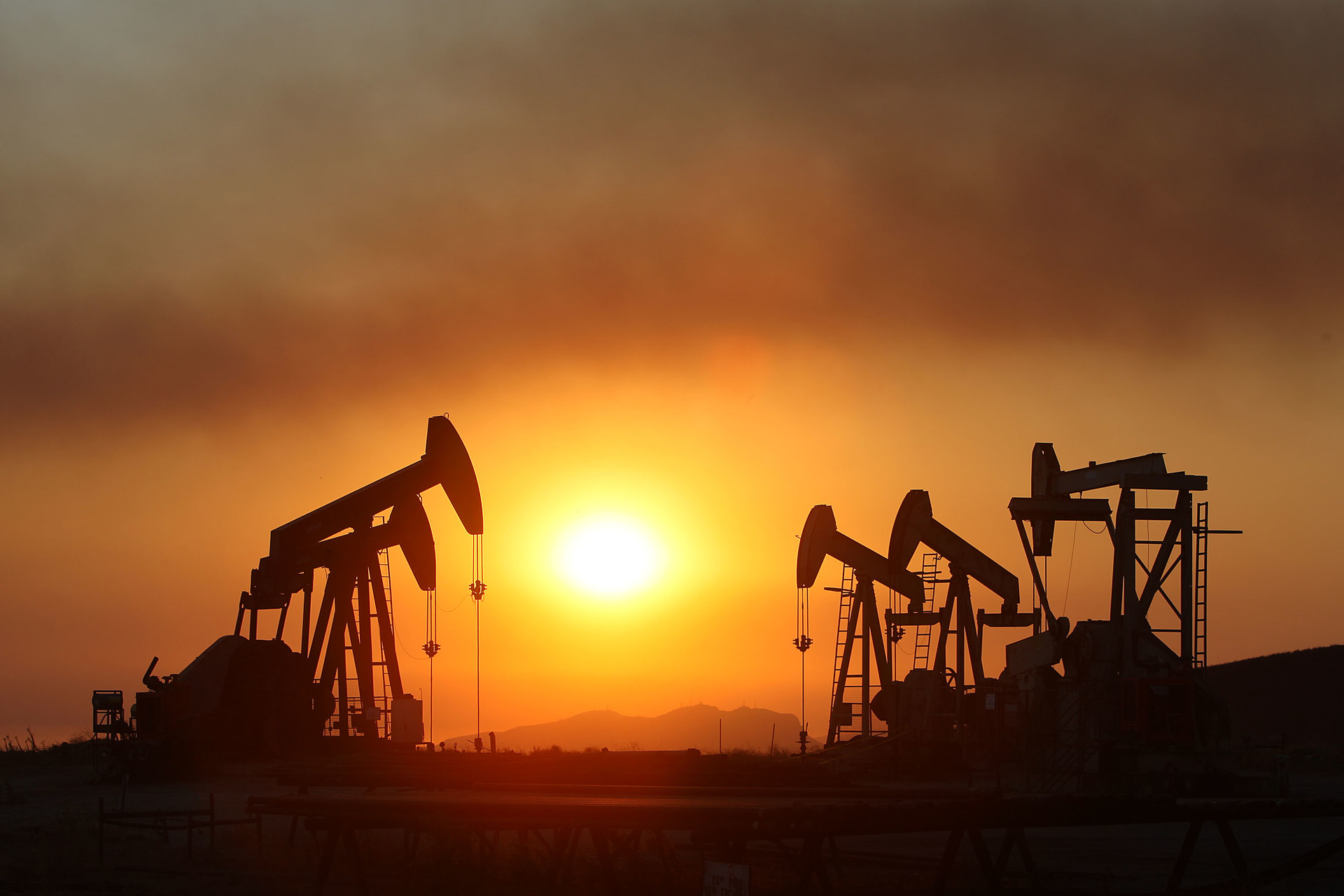 Smoke blows past oil wells at sunset on the eastern flank of the 16,000-plus-acre Guiberson fire, burning in southern California on Sept. 23, 2009, near Moorpark, California. (David McNew/Getty Images)
“Clearly the window has shifted since all four supported it,” Mahdavi said. “But it did seem like we’re not gonna see too far a break from the status quo. And right now, people are not happy, especially younger voters, with the status quo. We do need an expanded ambition, but nobody really captured that.”
Mahdavi also said none of the candidates addressed how to support workers with what he called a “just transition,” which would be needed if the California oil industry were phased out.
Swalwell told the story of visiting a business in Altadena and learning that a person’s home had burned down. If elected, he said he will hold utility companies accountable by making sure they invest in “disaster improvements that they have to make and that we socialize the idea of managed outages.”
“Fire victims know that their homes will never come back the way that they knew, but they want to know that the next governor gets it and will fight for them,” Swalwell said.
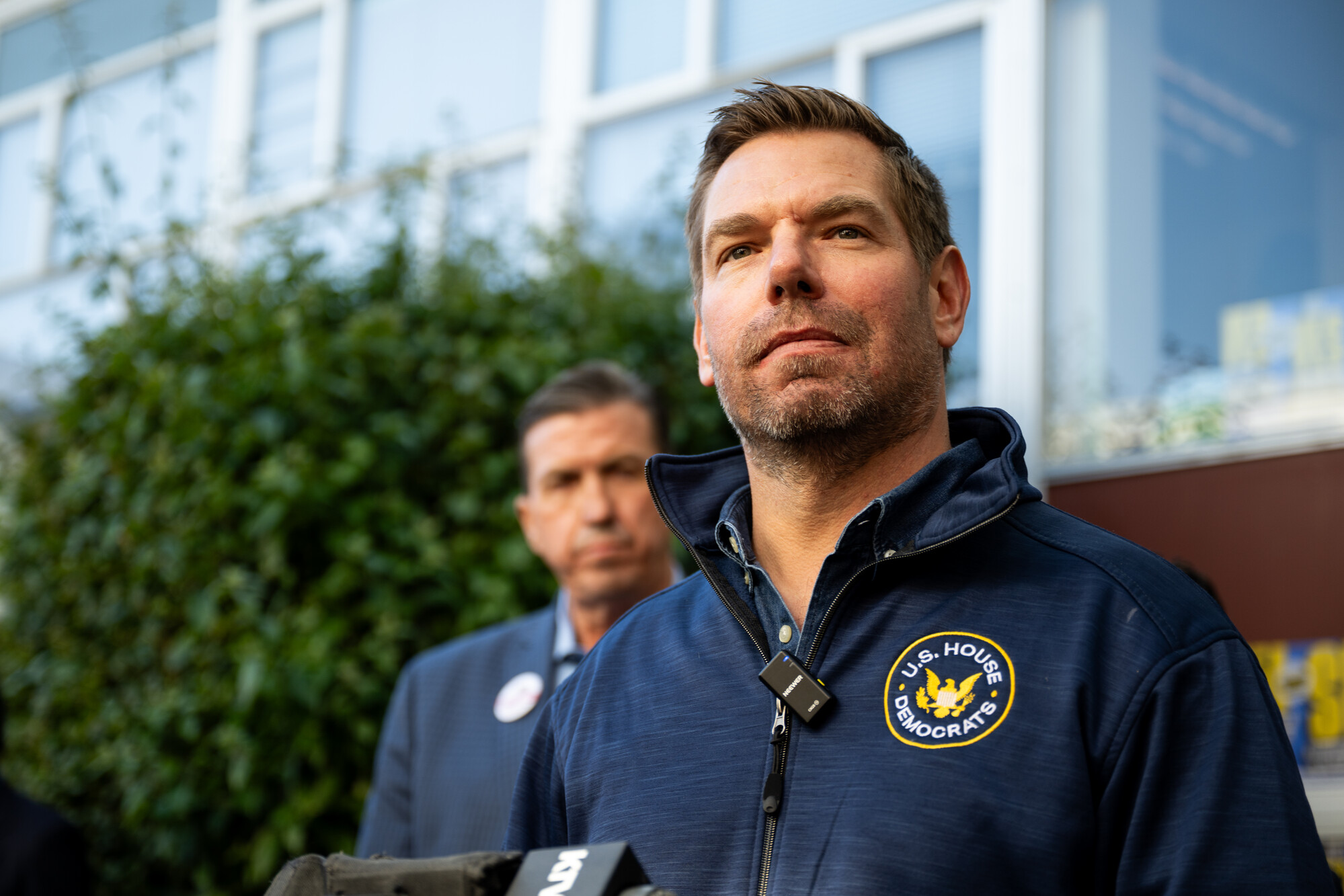 Rep. Eric Swalwell speaks during a press conference after a rally in support of Proposition 50 at IBEW Local 6 in San Francisco on Nov. 3, 2025. (Beth LaBerge/KQED)
The candidates didn’t quite agree on funding climate solutions, either, especially since the Trump administration cut millions of dollars for climate-related projects and programs.
Porter suggested taxing AI companies.
“AI has the potential to make society much more wealthy,” Porter said. “We need to capture that wealth to address not only the environmental consequences of data centers and of AI, but the longstanding environmental challenges that we face.”
Steyer, a billionaire himself, alluded to taxing billionaires and closing tax loopholes as a solution, as did Becerra.
“It was interesting to see a divide across the four,” Mahdavi said. “Then, when pushed directly on the idea of taxing billionaires, it was surprising to hear everybody agreed.”