
What to KnowSNERCH 2026Happening through March 31The Natural History Museum’s Snail Search Community Science Project is calling upon the public to snap photos of any slugs and snails spotted around Southern CaliforniaYou can upload your snapshots and observations at iNaturalist or email slime@nhm.org; you can also tag the Natural History Museum on Instagram (@natureinla)You might nab a cute prize, including a crocheted snail plushie or stickersThe project is hoping some rare sightings are shared, including photos of sinistral snails, critters that boast a “left-handed” shell swirlOver 2,800 observations were shared in 2025 via iNaturalist
The start of the second month hasn’t been particularly soggy, and calling February’s first days “splashy,” or even a tad damp, would not be accurate.
It’s extremely and seriously sunny in Southern California, and quite springlike, but those nature lovers with a fondness for the slimier side of life may still encounter a low-to-the-ground, high-on-the-coolness-scale slug or snail while out and about.
If you count yourself as someone who is gaga over gastropods, and you’ve long been besotted with the environmental roles of these marvelously moist mollusks, you’ll want to join a just-launched Natural History Museum project.
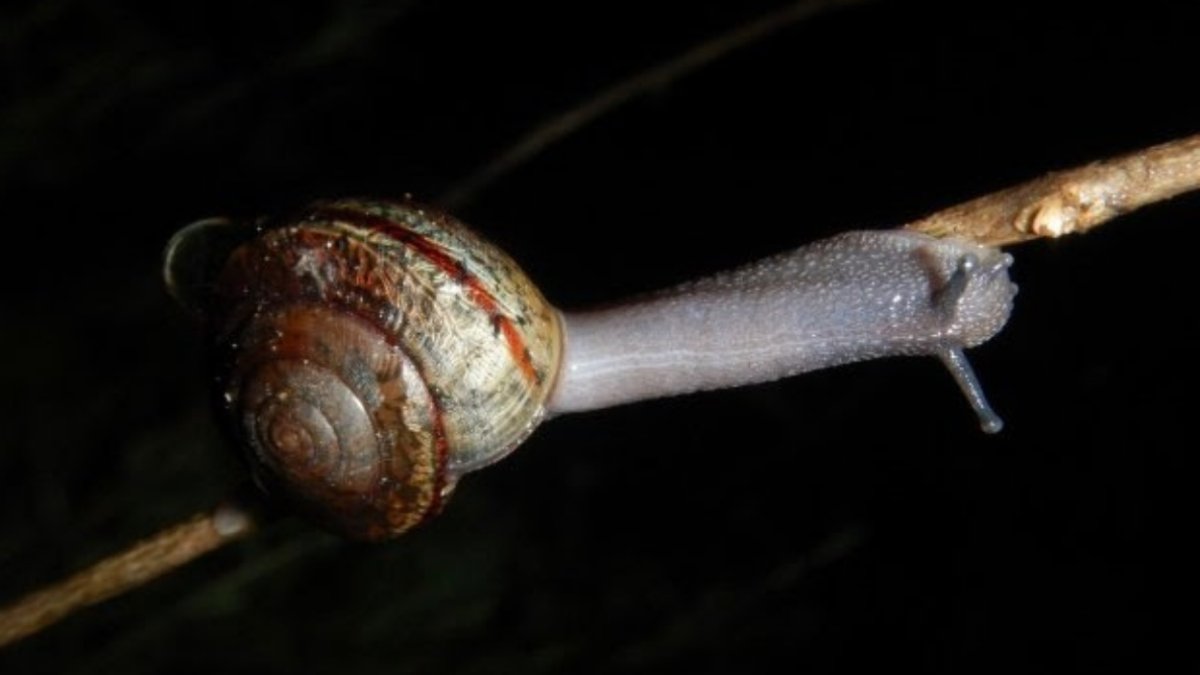
Snail Search or “SNERCH” if you please, is a community science effort, a science-minded push that shell, er, shall help researchers to better understand our regional snail and slug populations.
How to help the museum’s SLIME project? If you come across one or more of these slow-rolling superstars in the next few weeks while out on a trail, in a park, or hanging in your own yard, snap a photo and share it.
You can do so by uploading it to iNaturalist, emailing slime@nhm.org, or sharing it on Instagram with the tag @natureinla.
“Snails and slugs are fascinating creatures and crucial parts of Southern California’s biodiversity,” said Associate Curator of Malacology, Dr. Jann Vendetti.
“They are woefully under-appreciated, both as fascinating animals with complicated mating rituals, unique life cycles, and dazzling adaptations, as well as being key to understanding the health of ecosystems.”
“They have an outsized impact on our economy as agricultural pests, they’re under-studied as a group, and, frankly, many of them are adorable.”
There are some sweet prizes you may be up for, including a crocheted slug. And equal to any fab giftie? The knowledge that you’re advancing the appreciation and comprehension of the wild world just beyond our doors.
Some three dozen species spied in 2025 were labelled “threatened or imperiled”; find out how to play a community science role, and jump into the slimy splendor of snail and slug fandom, here.
The Natural History Museum’s SLIME project, if you’re wondering, and sure you are, is all about studying Snails and Slugs in Metropolitan Environments.