
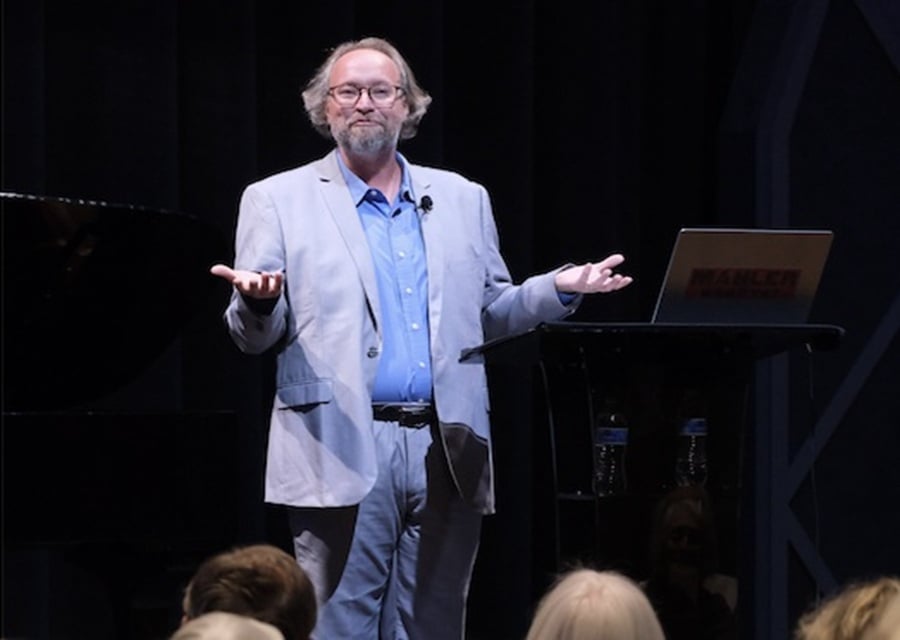
La Jolla Music Society is launching a new free lecture series at The Conrad, and if you’ve ever wanted to understand classical music without feeling like you need a degree to follow along, this is your chance.
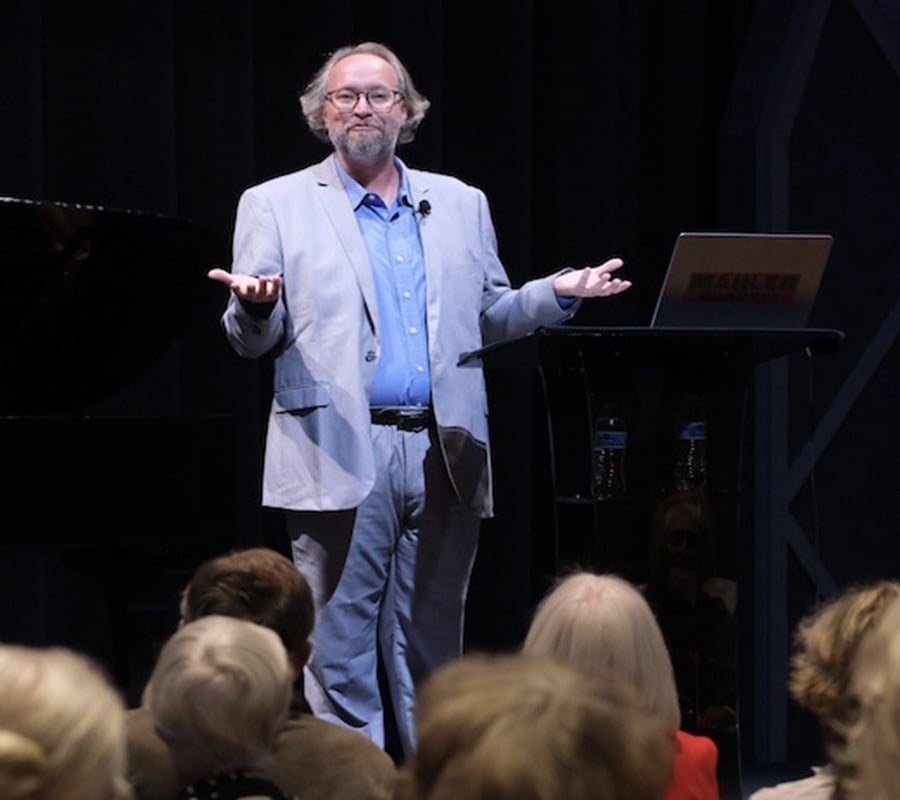
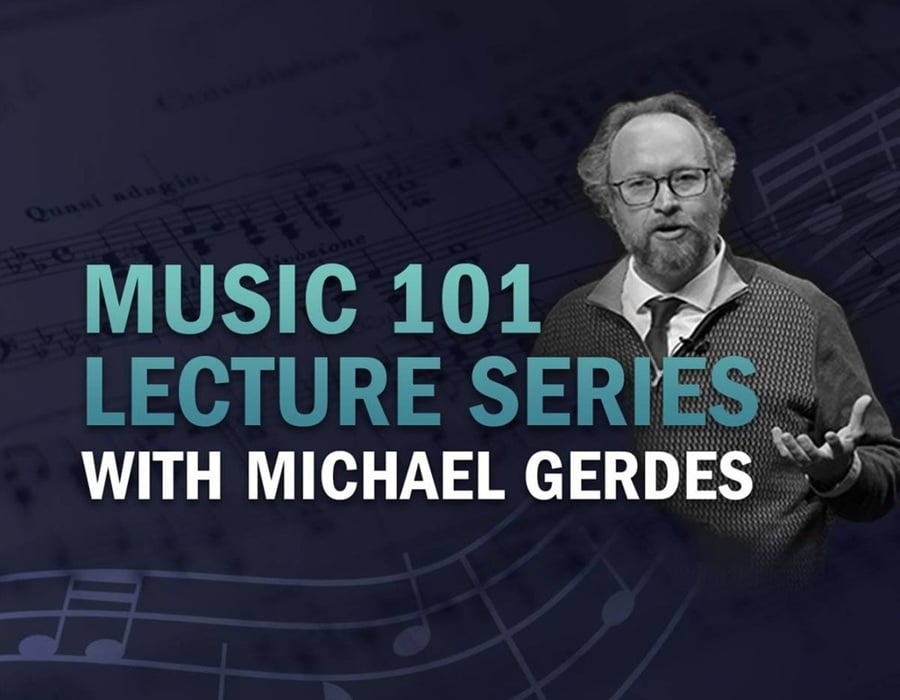
Music 101 is a five-part series led by Michael Gerdes, Director of Orchestras at San Diego State University and a longtime guest lecturer for LJMS. No musical background required, no tickets needed – just show up and learn something.
Five Lectures Covering Western Classical Music History
The series runs through late May, with lectures happening on the last Tuesday of each month (except March, which lands mid-month). Each session is designed to stand on its own, so you can jump in at any point, but they also build on each other if you’re there for the full run.
Topics include polyphony through the ages, the reign of homophony, how music takes form, color as the joy of listening, and what happened after sonata form. Gerdes brings his expertise and genuine passion for music history, making these concepts accessible without dumbing them down.
Perfect for Anyone Curious About Classical Music
This isn’t just for music students or people who already go to symphony concerts – it’s for anyone who’s curious about the composers, works, and cultural movements that shaped the music we hear today.
Whether you’re prepping for upcoming concerts at The Conrad or just want to understand why certain pieces of music hit the way they do, these lectures give you context that makes everything more enjoyable.
Free and Open to the Public
No tickets will be issued or required, but RSVPs are encouraged through The Conrad’s website so they can keep a head count. Lectures run from 2 to 3 PM in The JAI at The Conrad Prebys Performing Arts Center. It’s one of those rare opportunities to learn from someone who really knows their stuff, for free, in a space that’s designed for this kind of intimate engagement.
Enrich Your Concert Experiences
As LJMS puts it, this is an invitation to engage with history and enrich future concert experiences. Once you understand the building blocks of classical music – how composers approached melody, harmony, structure, and form – you hear things differently.
It’s the difference between listening and actually understanding what you’re listening to.
See you there!
Free classical music history lectures, no background required, and a chance to hear from someone who genuinely loves this stuff – that’s a solid Tuesday afternoon.
📆 Tuesdays: February 24, March 17, April 28, May 26, 2026 | 2 PM – 3 PM
🎟️ Free, RSVP encouraged here
ℹ️ More info here