
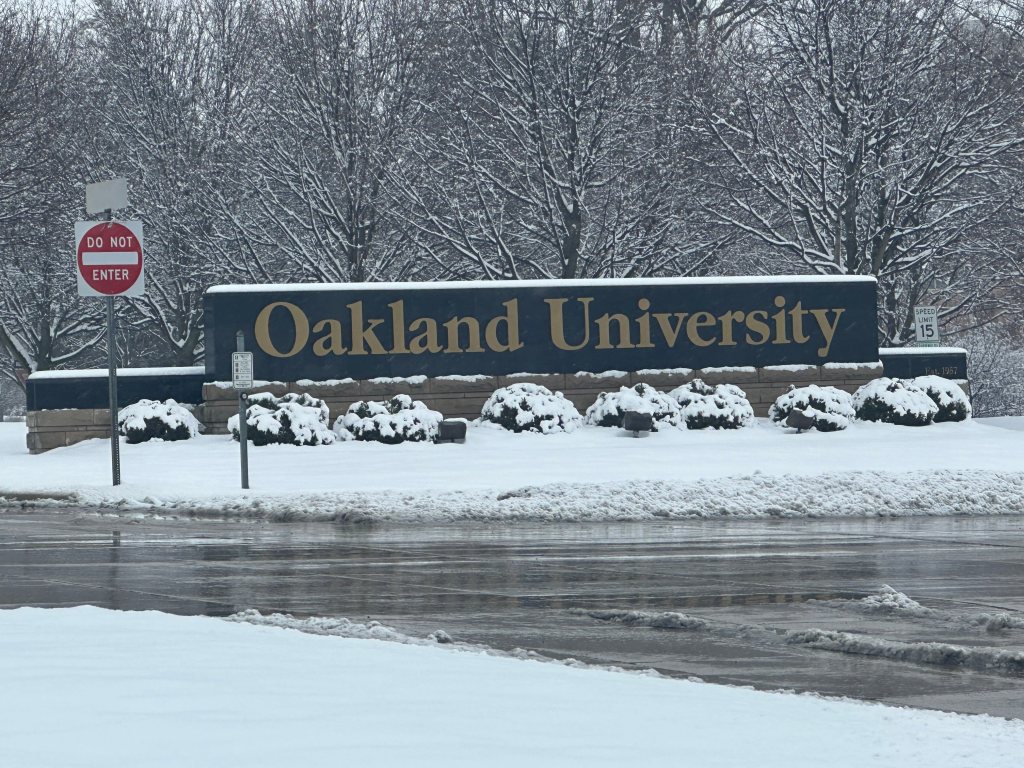
Oakland University has joined seven other universities around the state in offering a unique opportunity for students to pursue a career in social work.
Last fall OU began participating in the Michigan Title IV-E Child Welfare Fellowship — a statewide initiative designed to recruit, educate and retain future leaders in child welfare.
The fellowship, which is federally funded and dispersed individually to states, provides additional resources and support to students pursuing careers in Michigan’s child welfare system, including Children’s Protective Services, foster care, licensing and adoption.
The program began in the state in 2024 at Wayne State, University of Michigan, Michigan State, Western Michigan and Central Michigan and this year OU, Eastern Michigan and Ferris State joined.
“Historically states around the country have been using Title IV-E this way to train future child welfare workers and only recently Michigan began using Title IV-E funding this way,” said Maria Beam, director of Social Work and coordinator of Title IV-E at Oakland University.
It combines specialized coursework with practicum education and requires fellows to seek employment in public, private or tribal child welfare agencies in the state after graduation.
Students are committed to work four months in the child welfare system in the state for every semester completed with fellowship funding.
Oakland is set to receive $273,000, with most funds directed to student stipends as well as grant management and the development of child welfare training and curriculum.
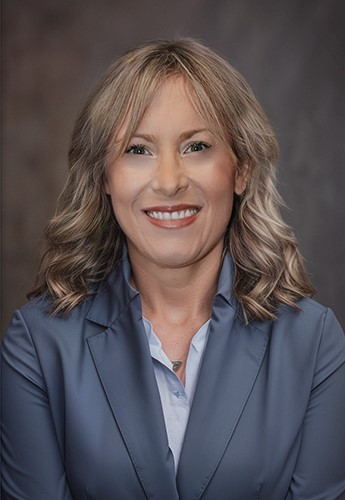 Dr. Beam is responsible for the management, accreditation, and oversight of the Social Work Program and is also a licensed clinical and macro social worker in the State of Michigan.
photo courtesy OU
The program has already supported six OU students — four Bachelor of Social Work (BSW) students and two Master of Social Work (MSW) students — with plans to expand participation in the 2026–2027 academic year.
“The big problem is being able to retain individuals to work in the public sector and even with private child protective welfare agencies the attrition rate is high, so part of the training program is to be very intentional in the preparation so that these students know exactly what they are getting into,” Beam said. “They are going to have training alongside people that work in child welfare, while simultaneously completing their degree.”
The program provides stipends to social work students who commit to working in under-resourced communities across the state.
“It prepares them for understanding the enormity of the position, the responsibility of the position and the challenges that people who are encountering the child welfare system face and how to navigate all of that,” said Beam. “With everything they go through while getting their degree, they will enter the workforce feeling confident and comfortable with what they will be doing.”
Social work is a field of need in the state.
A survey by the Community Mental Health Association of Michigan found average vacancy rates for mental health employers at 19%, with direct care worker positions seeing 27% vacancies and demand for social workers is expected to grow by 6 % by 2032.
To address this, the Michigan Department of Health and Human Services (MDHHS) launched the Title IV-E program and increased funding for the program this year from $1.7 million to $4.5 million.
“It is because of the intentional training. It is because of the robust curriculum. It is because of our values in social work that make the best child welfare workers,” said Beam. “This program has the best training for the profession.”
Currently, 82 students are enrolled in the program statewide. Since its launch, 25 students have graduated, with 19 now employed by MDHHS.
“This program has already resulted in 25 graduates who have committed to protecting children and supporting families as part of Michigan’s child welfare workforce,” said MDHHS Director Elizabeth Hertel. “It helps support social work students financially as they prepare to enter the workforce and is critical to recruiting and retaining dedicated professionals.”
Eligible students may receive $5,000 per semester at the bachelors level and $8,000 per semester at the masters level while completing required coursework and field placements.
“We have already seen a lot of interest in this here on campus and students have already begun filling out applications for next year,” said Beam. “It is a great example of how institutions of higher education can partner with the government or partner with the non-profit sector and make these connections that help throughout the state.”