
It’s been more than a century since the California gold rush and subsequent conflicts with settlers displaced the Washoe people from their homelands between the Great Basin and Central Valley.
Some of that unsavory history was undone on Wednesday.
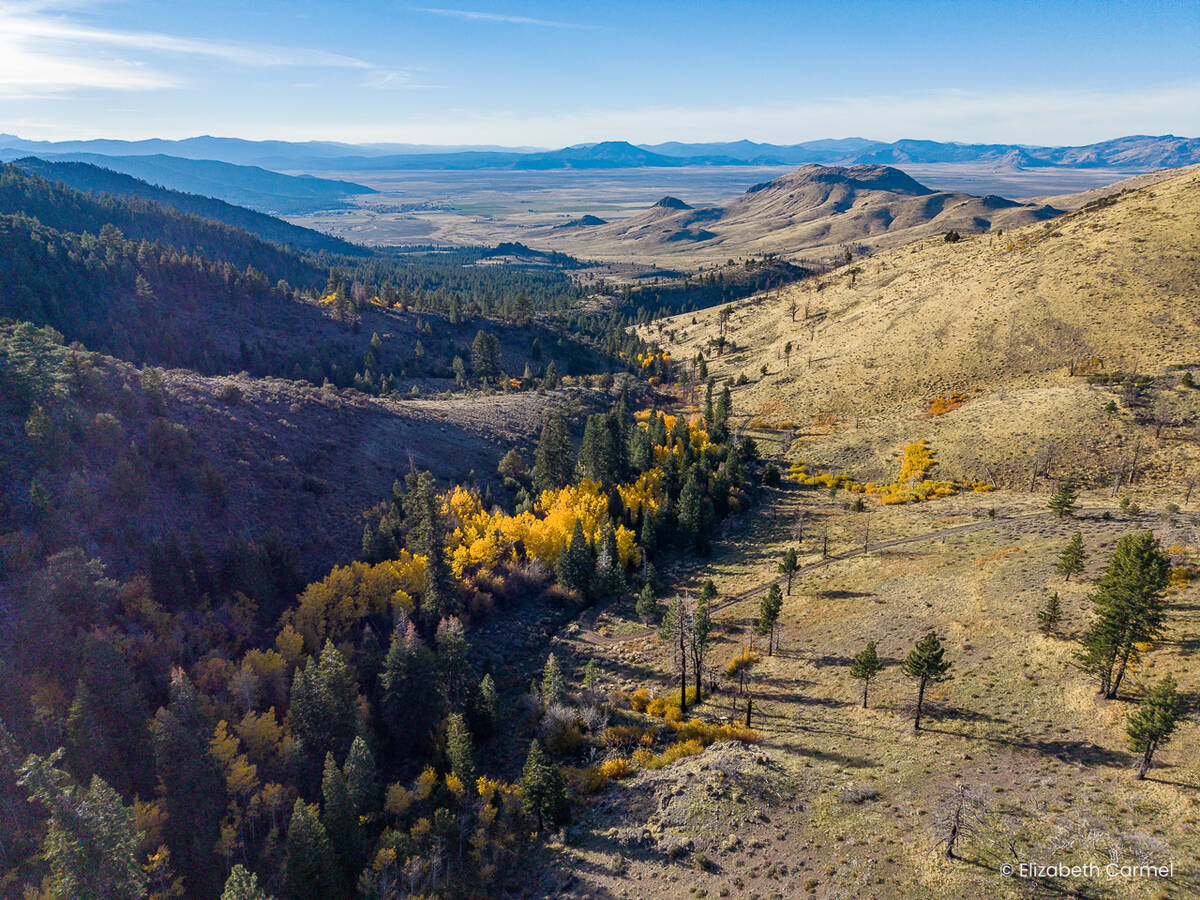
In what conservation groups are saying is the largest tract of land returned to a tribe in the history of the mountainous Sierra Nevada region that includes Reno, the Washoe Tribe of California and Nevada has purchased more than 10,000 acres of land north of Lake Tahoe. It will just about triple the tribe’s land base, Chairman Serrell Smokey told reporters.
“We weren’t given a reservation land base originally. Everything was hard-fought and worked-for,” Smokey said. “This is just kind of another example of that — something our people have been doing for a long time and we continue to do.”
The plot of land is the third largest returned to a tribe in California state history, as well. A $5.5 million grant from the California Wildlife Conservation Board powered the deal, as well as private donations.
In total, conservation groups raised $6.9 million for the project, with $6 million to buy the property from the city of Santa Clara and extra funds for planning, property assessments and a kickstart for an endowment for long-term stewardship.
“(It) really represents our commitment to addressing past wrongs, as well as making sure that we’re doing right by the future of California,” said Jennifer Norris, executive director of the California Wildlife Conservation Board.
The site is home to pronghorn, mule deer, mountain lion and gray wolves that migrate from winter habitat in the east to summer habitat in the west, as well as pinyon pine groves that have experienced recent damage due to wildfire.
The Wá∙šiw people
From now on, rather than Loyalton Ranch, it will be called the WélmeltiɁ (wel-MEL’-tee) Preserve, which Smokey says is named for the band of Washoe who lived north of Lake Tahoe.
The Washoe, or Wá∙šiw, are considered the original stewards of Lake Tahoe, having lived in the Great Basin region for at least 6,000 years, historians say.
“Some of our largest archaeological sites are in this area of the Sierra Valley,” Smokey said. “There’s really not an area you can go into where you won’t see the presence of Washoe history dating back thousands of years.”
Though they may have interacted with Europeans in the early 19th century, the turning point that ushered in a near-erasure of their way of life was the California gold rush of 1848, according to a historical account on the tribe’s website. Nevada’s silver rush that eventually gave it statehood came a few years after.
Mass logging efforts harmed the forests and pinyon pine groves that the Washoe relied on, the fisheries of Lake Tahoe weren’t the same, and native animals were replaced with livestock. The boom of Virginia City drove many Washoe to depend on white ranchers and farms for work.
The federal government officially recognized the Washoe Tribe of California and Nevada in 1936, and today the Washoe people live in communities such as the Dresslerville Colony in Gardnerville, Stewart Community in Carson City and the Woodfords Community, or Hung-A-Lel-Ti, near Markleeville, California.
Smokey said his tribe is committed to cleaning up the property, which he said had been treated like an illegal dumping ground. The tribal council will work over the next few years to identify cultural sites within the property that may have been lost over time.
“The Washoe people were removed from our lands, fought hard to get every little bit back and now we actually have something to call ours,” Smokey said.
Contact Alan Halaly at ahalaly@reviewjournal.com. Follow @AlanHalaly on X.