
BAKERSFIELD, Calif.(KBAK/KBFX) — Bakersfield city leaders have begun a formal process that could significantly raise sewer rates over the next several years, reviving a proposal that drew backlash last year.
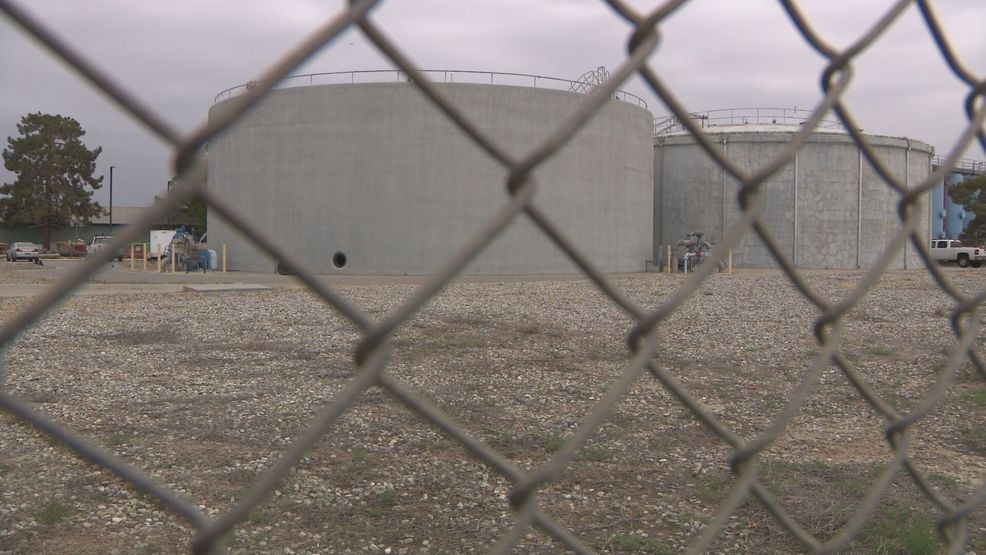
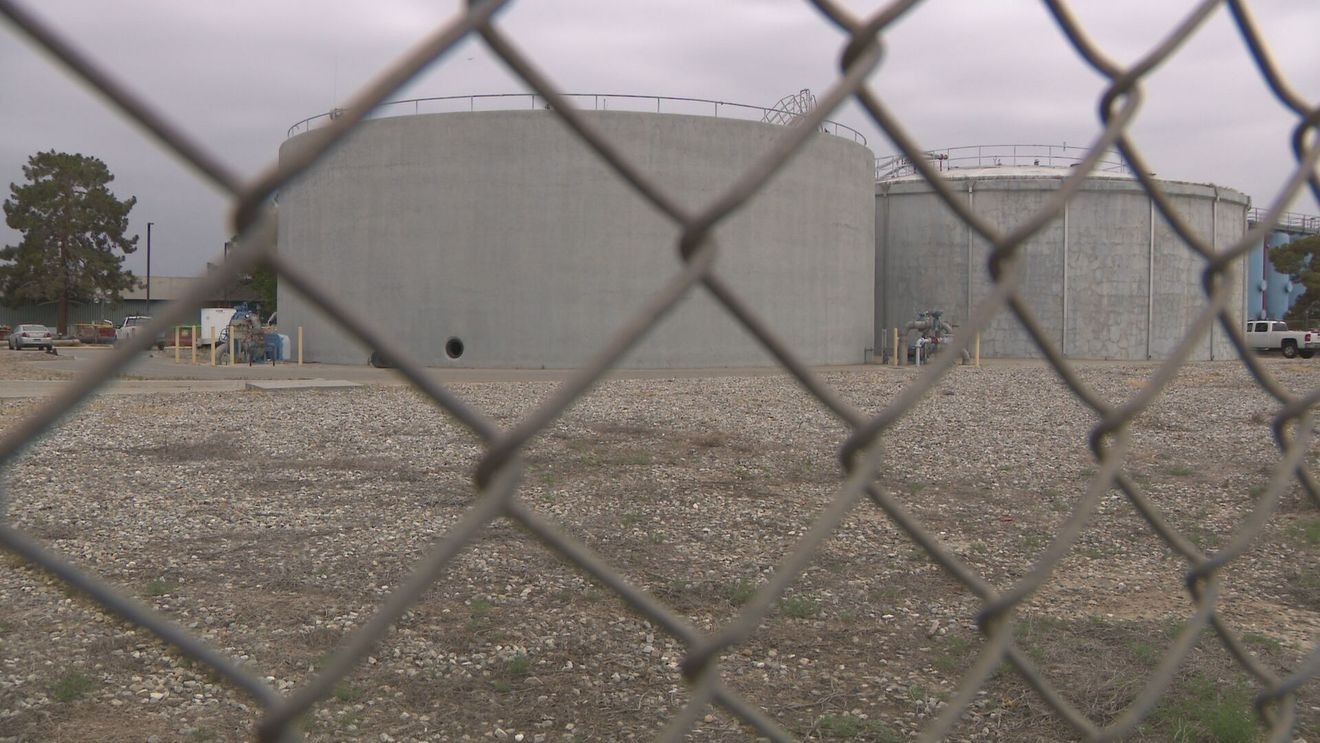
Wastewater treatment plant{ }
The Bakersfield City Council met Wednesday night to start the Proposition 218 process, the state law that governs how local governments can raise fees like sewer rates.
After canceling last year’s plan to raise rates by almost 300 percent, the council approved issuing Proposition 218 notices for sewer rates from 2026 to 2031.
Many residents, however, remain unhappy about the potential increase.
Supervisor Phillip Peters raised concerns about the impact on customers, saying, “Given the scale of the investment being discussed, the potential burden on everyday rate payers needs to be given serious consideration.”
Under the proposal, the city would increase the sewer rate to $475 in year one, then raise it by $100 each year, reaching $875 by year five.
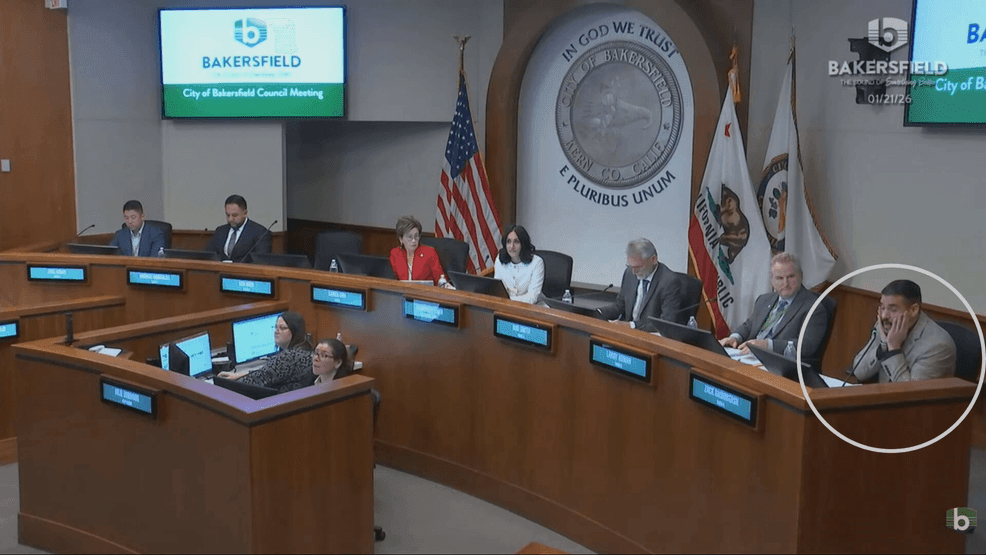
A Bakersfield City Council meeting turned tense Tuesday night after Councilman Zack Bashirtash delivered an emotional and controversial speech criticizing the city’s homelessness response programs and the people living in encampments across the city. PHOTO: YouTube, City of Bakersfield
The first-year rate would cover operations, maintenance, minimum reserves, and debt service.
Proposition 218 requires that property owners be notified by mail and given 45 days to formally protest the increase.
If more than half of the property owners submit written protests, the rate hike cannot move forward.
City notices are expected to include charts, graphics, and links to detailed cost-of-service analyses and five-year projections, and city staff will remain available to answer questions.
Council member Ward 1 Eric Arias said the city has evaluated multiple options.
“I think that we’ve considered countless scenarios and have done our due diligence and research to find the very best option for our community,” Arias said.
Among the concerns being raised are that low-income families may not be able to afford the higher rates, that the city has not been clear enough about the changes, and that the city did not plan to prevent such a large increase.
The vice mayor referenced a possible assistance program for residents on fixed incomes, saying, “In April, I will stick to my referral, and if that research can come back to us on how we create a program for those who live on fixed income.”
Money FILE image (Photo by Joe Raedle/Getty Images)
City officials say the rate increase would help fund aging infrastructure and support a long-term upgrade plan, which could include a $150 million bond in the future.
Proposition 218 notices are expected to be mailed at the end of February.
A public hearing is scheduled for April 22, when the council could vote after the protest period closes.