
This winter’s wild swing from drought to deluge offers a vital lesson for California in the 21st century: Climate change requires preparation for extreme weather of all kinds.
A week ago, it looked like the state was headed for another witheringly dry year. Now, after three back-to-back storms brought torrential rains to the lowlands and heavy snowfall to the Sierra Nevada, a significant fraction of California’s precipitation deficit has been erased. Forecasters say another storm will sweep in from the Pacific on Sunday.
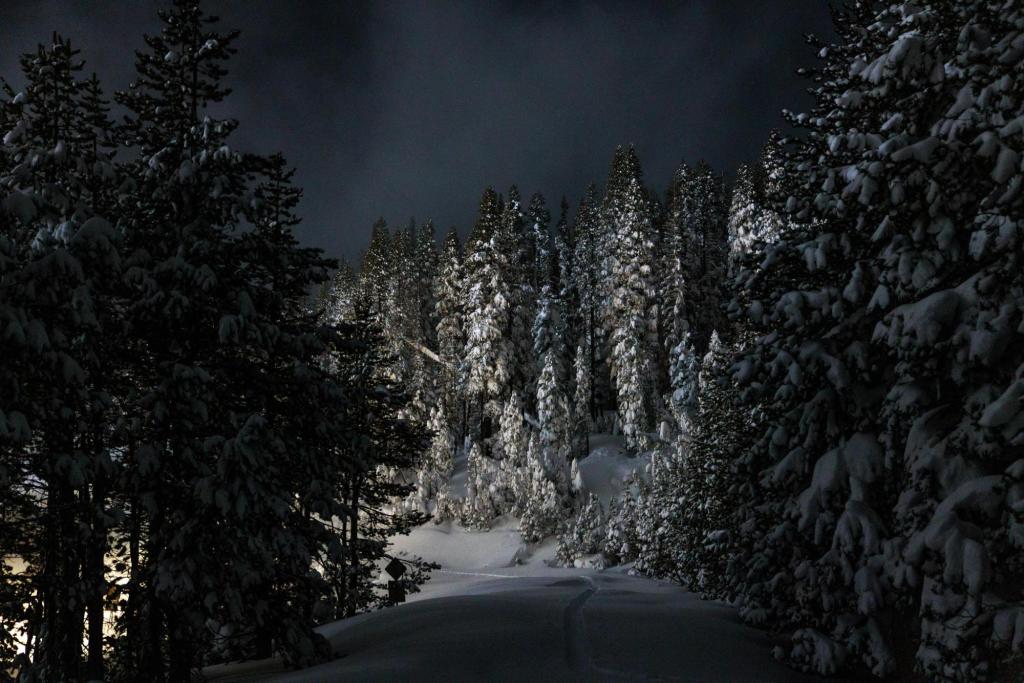
A good drenching promises to provide California farmers with water for irrigation, improve conditions for salmon migration and recharge aquifers. Snow in the mountains will maintain river flows through the spring and summer, supporting uses ranging from hydropower to recreation.
While we welcome the improvement in the state’s water picture, we mourn the deaths of at least eight backcountry skiers, some with ties to Marin County, in the largest avalanche in state history. The tragedy in the Sierra is a reminder that extreme winter weather is often accompanied by floods, power outages, fallen trees and other potentially life-threatening conditions, as we have experienced here in the North Bay.
The rapid turnaround in the state’s water outlook is instructive. The California Department of Water Resources reported on Thursday that the statewide snowpack had reached 72% of average. Just a week earlier it was barely half of average. With still more snowfall in the forecast for the Sierra Nevada and other mountain ranges, things could improve even more.
The current series of storms is a result of a southward shift in the atmospheric jet stream that aimed a cold, wet nozzle at the state. However, even slightly warmer temperatures could bring rain that would melt some of the fresh snow. Instead of gradual spring and summer runoff, California would see more winter flooding.
An adequate mountain snowpack is vital to California’s well-being. According to the Central Sierra Snow Lab, operated by UC Berkeley, the Sierra snowpack provides about one-third of the state’s fresh water. It’s like a giant battery that is charged in winter and drawn down in the summer. A weak charge now means less water later.
That battery has run dangerously low in recent years. California endured a harsh, multi-year drought from 2021 through much of 2024 that drained reservoirs and groundwater aquifers.
Thanks to the recent storms, California is drought-free for the first time in 25 years, and the state’s 17 major reservoirs are at 119% of their historical average level. Lake Sonoma is two-thirds full, which is 110% of the historical average for mid-February. Replenishing aquifers will require many more years.
Climate change is more than just warming average temperatures. Extreme weather will become more frequent. Just as Californians need to brace themselves for periodic drought, they must also get ready for occasional severe storms. Prepare for power outages. Don’t drive into moving water. Build a mutual-support network among neighbors. Avoid placing unnecessary demands on emergency personnel.
One wet week, or even one wet month, offers no excuse for complacency. Californians must make water conservation a permanent part of their public policies and way of life. Measures ranging from sustainable landscaping to investments in water storage infrastructure are needed to make every drop count.
You can email letters to the editor to letters@pressdemocrat.com