
A Northern California man once sentenced to what appeared to be life in prison for kidnapping and molesting young children has been approved for parole under the state’s elderly parole law.
David Allen Funston, 64, was convicted in 1999 of 16 counts of kidnapping and child molestation for crimes committed in Sacramento County between 1995 and 1996, prosecutors said at the time. A judge described him as “the monster parents fear the most.”
Funston received three consecutive terms of 25 years to life, plus an additional prison term. He was not sentenced to life without the possibility of parole, making him legally eligible for a parole hearing under California law.
According to the California Department of Corrections and Rehabilitation, Funston has been incarcerated since May 10, 1999, at the California Institution for Men in Chino. CDCR records show he first became eligible for a parole suitability hearing in January 2021.
The Board of Parole Hearings denied him parole in May 2022. He later waived hearings in 2023 and 2024 before being granted parole suitability on Sept. 24, 2025, records show.
Gov. Gavin Newsom referred that decision to the full Board of Parole Hearings for review on Jan. 12, CDCR said in a statement.
The governor may refer a parole grant for review by the full board but does not make the final decision in non-homicide cases. The full board reaffirmed the parole grant on Feb. 18.
“For safety and security reasons, CDCR does not provide information on a person’s time or location of parole release,” the department said.
A parole grant does not necessarily result in immediate release and remains subject to administrative review periods.
Under California’s Elderly Parole Program, incarcerated people may qualify for a hearing after reaching age 50 and serving at least 20 consecutive years in prison, depending on their sentence.
Commissioners must give “special consideration” to advanced age, long-term confinement and any diminished physical condition when determining whether a person currently poses an unreasonable risk to public safety, according to CDCR guidelines.
The program was initially shaped by federal court orders addressing prison overcrowding and later codified into state law.
Parole hearings do not revisit guilt or innocence. Instead, commissioners assess whether an incarcerated person currently presents an unreasonable risk to the community.
The decision has drawn sharp condemnation from victims and former prosecutors.
“He shouldn’t be breathing the same air that we’re breathing at all,” one victim, who was kidnapped and assaulted when she was 4, told the Los Angeles Times. “I disagree with him getting paroled out because he’s a horrible person. That man is a monster.”
Former Sacramento County District Attorney Anne Marie Schubert, who prosecuted the case as a deputy district attorney, called Funston “one sick individual,” according to the Los Angeles Times. She urged officials to consider civil commitment under California’s sexually violent predator law, which can allow certain offenders to be confined to a state hospital after completing a prison term if prosecutors petition and a judge approves the commitment.
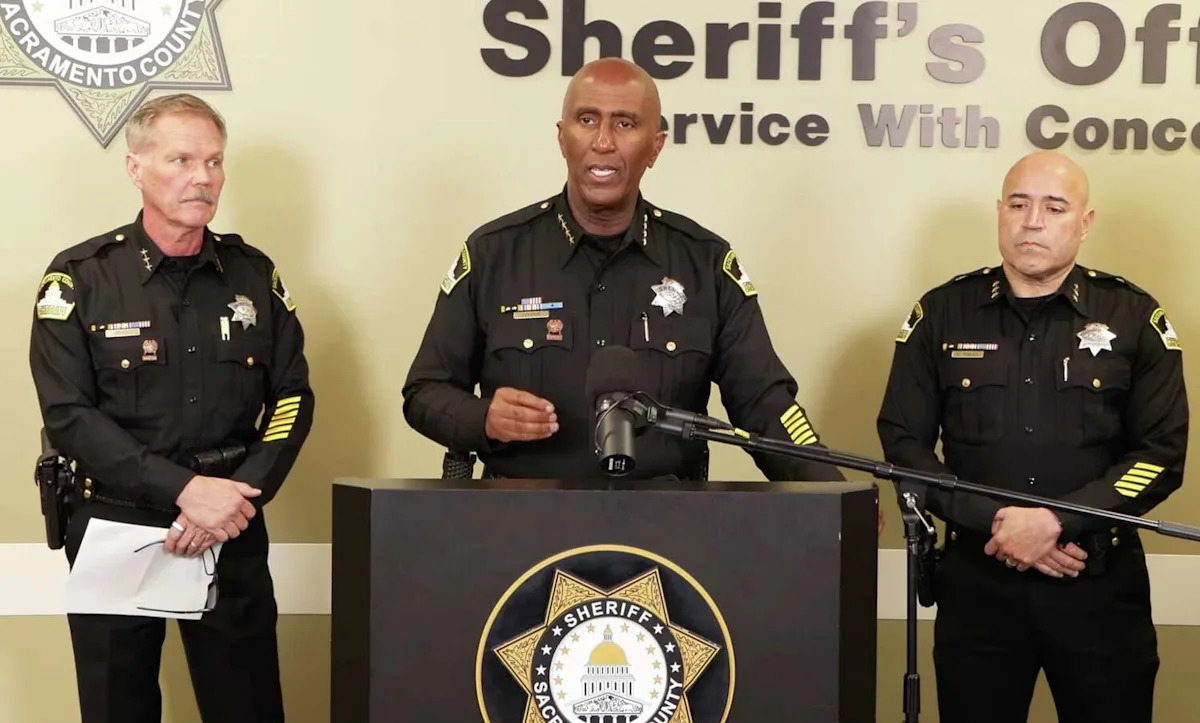
At a Sacramento County Sheriff’s Office news conference Monday, Sheriff Jim Cooper criticized the decision.
“Elections are coming up,” Cooper said. “This is a great question. ‘What do you stand for?’ Don’t talk the talk, walk the walk. Protect our children. Don’t protect the perpetrator of these crimes. Why are we protecting him?”
A victim who spoke at the news conference called Funston “dangerous” and said, “He does not deserve freedom.”
It remains unclear when Funston will be released or whether he will be referred for possible sexually violent predator proceedings.
This article originally published at Child molester serving life terms granted parole in California, sparking outrage.