
FRESNO, Calif. (FOX26) — As California’s housing crisis continues, state lawmakers are exploring whether homes could be built faster, and potentially more affordably, by moving construction indoors.
A newly formed select committee at the State Capitol is examining whether factory built housing could help reduce costs and speed up timelines. Lawmakers have held public hearings in Sacramento and toured manufacturing facilities to see how modular construction works in practice.
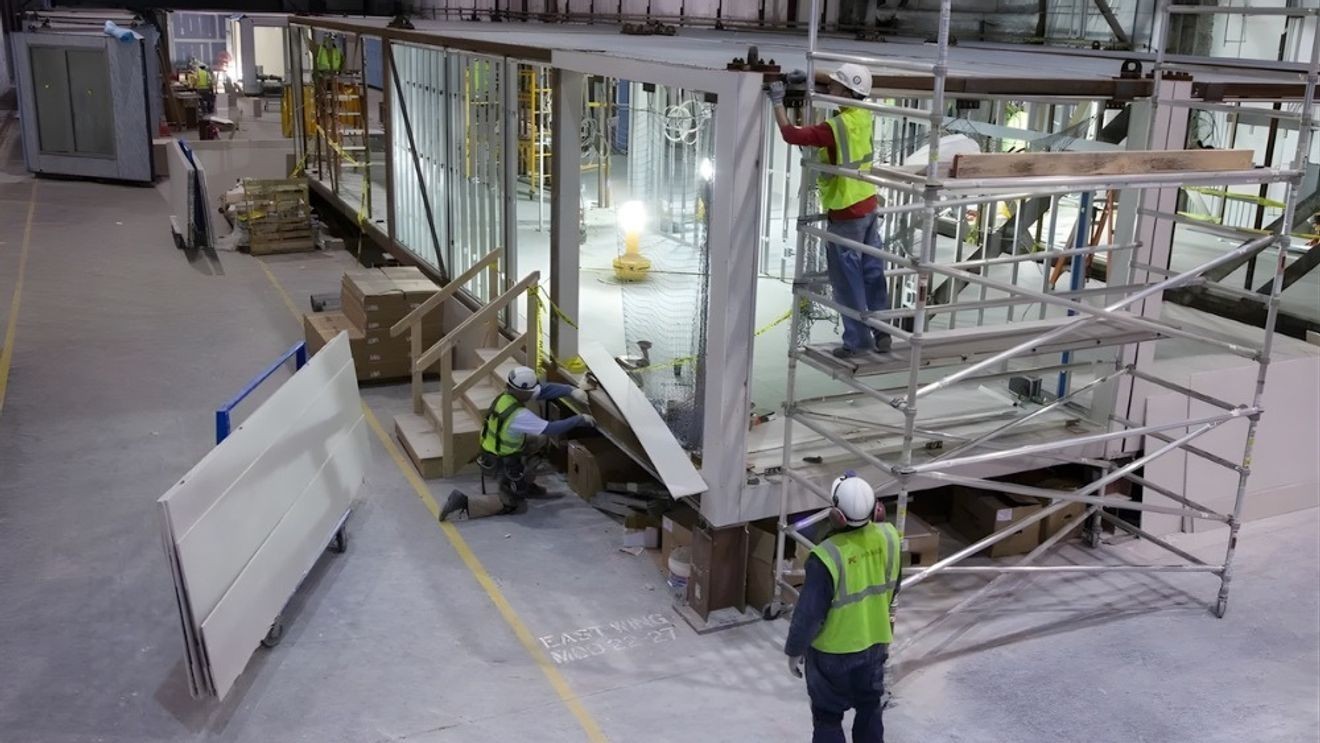
Fullstack Modular time lapse video from inside Carson California factoryFullstack Modular time lapse video from inside Carson factory.{ }(Photo: Full Stack Modular)
How factory built housing works
Companies like Full Stack Modular are attempting to answer that question by constructing apartment units inside a factory before transporting them to the final site for assembly.
Instead of building a structure piece by piece outdoors, modular housing involves fabricating finished sections, often complete with plumbing, electrical and interior finishes, in a controlled indoor environment. Those sections are then delivered and stacked together on site.
“If you think about Legos and an erector set, that’s pretty much what we do,” said Roger Krulak of Full Stack Modular.
Building indoors can help avoid weather related delays, an issue we have here in Fresn, where extreme heat can slow traditional construction schedules.
Krulak said the company produces about three modular units per day at its facility.
“Our goal is to provide a cost and time effective solution so that workforce and affordable housing works,” Krulak said. “Student housing works as an investment.”
First project: Cal Poly San Luis Obispo
Full Stack Modular is beginning with a student housing project at California Polytechnic State University in San Luis Obispo.
“The game plan is to provide about 4,000 beds for Cal Poly,” Krulak said. “And the goal is to have continuity of process so that you just keep building for a period of six to eight years.”
Krulak said the company has also spoken with other California State University campuses about similar projects. With more than 20 CSU campuses statewide, including Fresno State, expansion opportunities could exist if demand is there.
However, modular construction depends heavily on consistent volume.
“The value proposition requires you to feed the beast,” Krulak said. “If the factory isn’t full, the costs go up.”
Could this work in Fresno?
Supporters argue factory built housing could cut construction timelines in half and reduce costs by as much as 20 percent, while also creating new pathways into building trades.
After touring Full Stack Modular’s facility in Carson, San Jose Mayor Matt Mahan posted on social media that the assembly-line approach “cuts total construction timelines in half, reduces costs by 20%, and creates new pathways to the building trades along the way.”
Full Stack Modular says a project in San Jose could launch within weeks.
Whether similar developments could take hold in Fresno remains uncertain. While modular construction may speed up timelines, experts say affordability ultimately depends on land costs, financing and sustained demand.
As lawmakers continue studying the model, the central question remains: Can building housing like cars make rent more affordable for Californians?
Could factory built apartments help lower housing costs in California?