For many months, the Los Cerritos Wetlands Trust and local residents have urged the City of Seal Beach to order a full environmental review for a proposed 4.6-acre solar panel project near the Los Cerritos Wetlands, due to environmental concerns over its threats to nearby wildlife and endangered species.
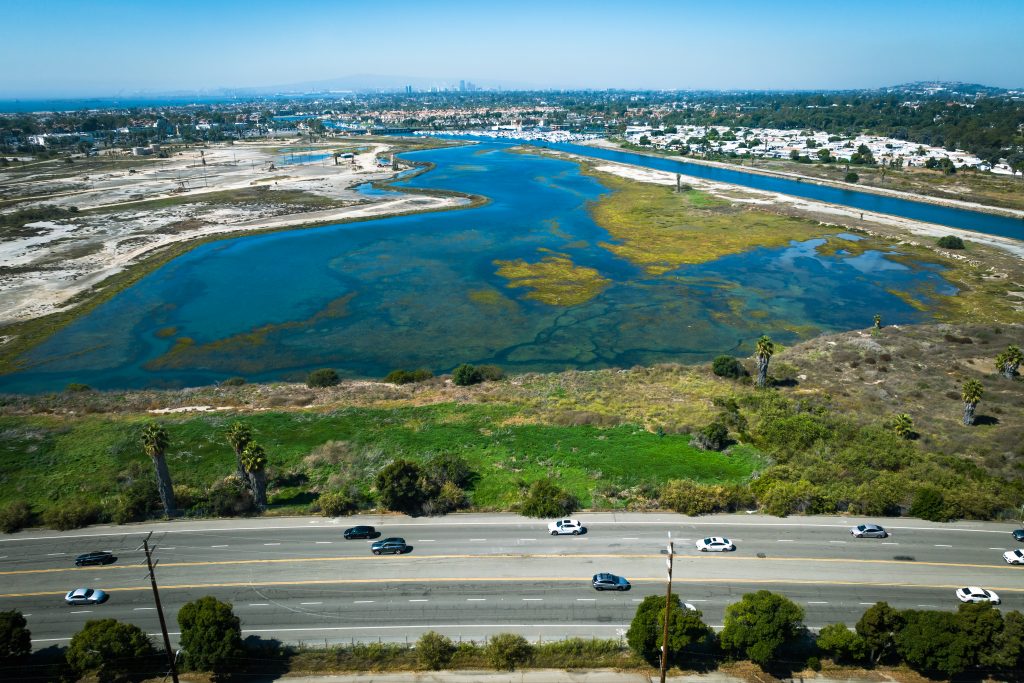
Running through Long Beach and Seal Beach, the Los Cerritos Wetlands make up about 500 acres of precious ecological habitat for numerous wildlife, flora and fauna, including rare and endangered species. It is all that remains of the historic 2,400-acre wetlands complex that previously went through areas of Los Angeles, the San Gabriel River and Orange County. Over the decades, city developers have taken chunks of the land for private and commercial projects.
Currently, the LCW Authority owns about 240 acres of the wetlands, with the remaining areas divided between private and public stakeholders.
The fight against the solar panel project comes shortly after the Trust secured funding to finally begin restoration on 100 acres of the wetlands, and amid ongoing efforts to bring the remaining 400 acres out of private ownership.
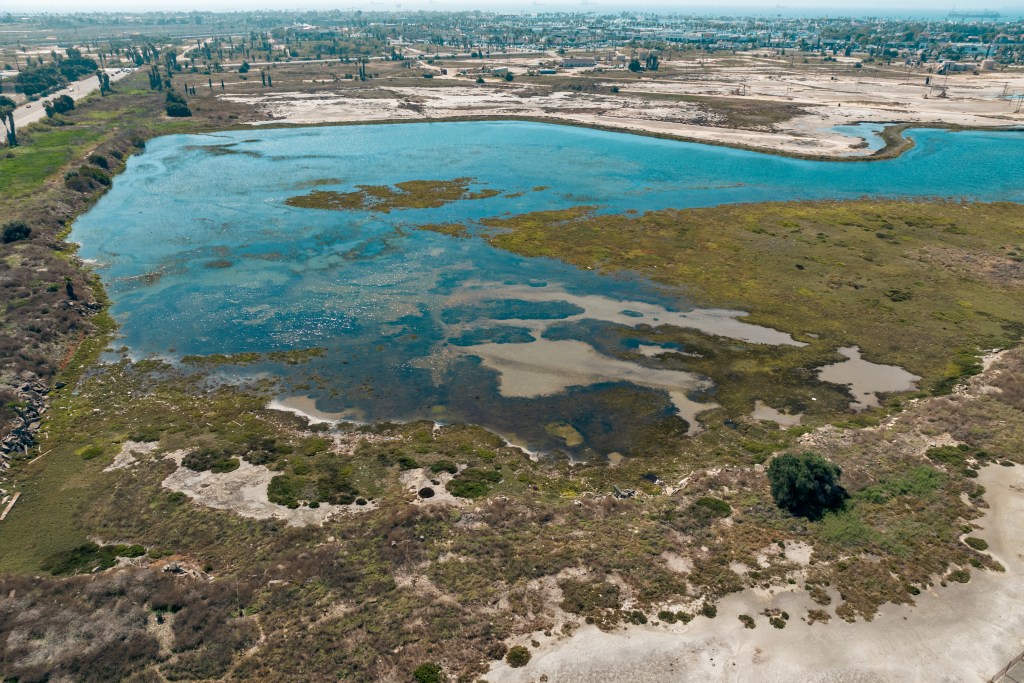 An aerial view of part of the Cerritos Wetland Area on the eastern side of Long Beach on Oct. 3, 2023. (Richard H. Grant | Signal Tribune)
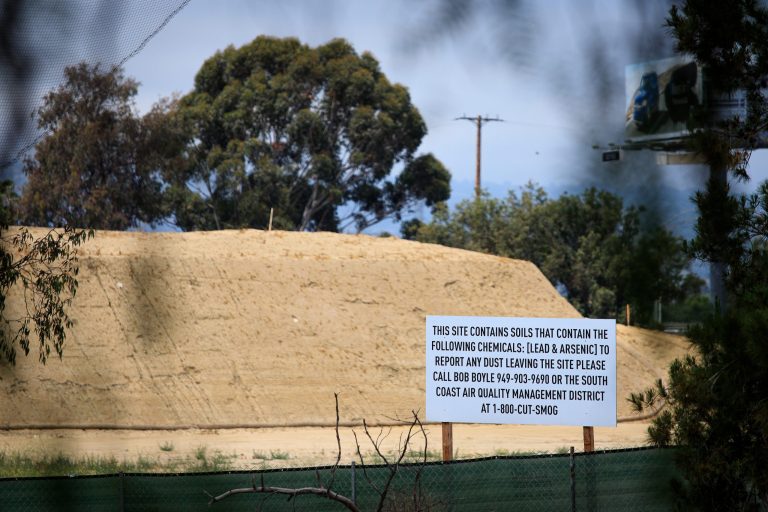
The Trust, which advocates for protection of the wetlands, has opposed the Hellman Corporation’s plans to build two arrays with about 2,000 solar panels on land surrounded by Los Cerritos Wetlands and adjacent to the Hellman Ranch Trail. The solar panels would provide sustainable energy to the Hellman Ranch and nearby Oil Gas Facility.
The corporation announced the project last year and released a Mitigated Negative Declaration (MND) in July 2025, awaiting the City Council’s approval.
However, the Trust claimed the MND – a report that addresses “less-than-significant” environmental impacts – did not accurately reflect the project’s environmental risks, using outdated data not representative of the wetlands’ current conditions.
The Trust, along with several residents, submitted letters to the City of Seal Beach asking for a full Environmental Impact Report (EIR) from the Hellman Corporation, under the California Environmental Quality Act.
On Monday, the Trust secured a win at the city council meeting: the Hellman Corporation will now conduct a full EIR for the project, analyzing potentially adverse impacts on the site’s surrounding environment.
“It’s an area that deserves to be thought of as on its way to be restored, not to continue to fight against these additional projects,” said Elizabeth Lambe, executive director of the Trust.
Here are some environmental concerns the Trust has cited about the project.
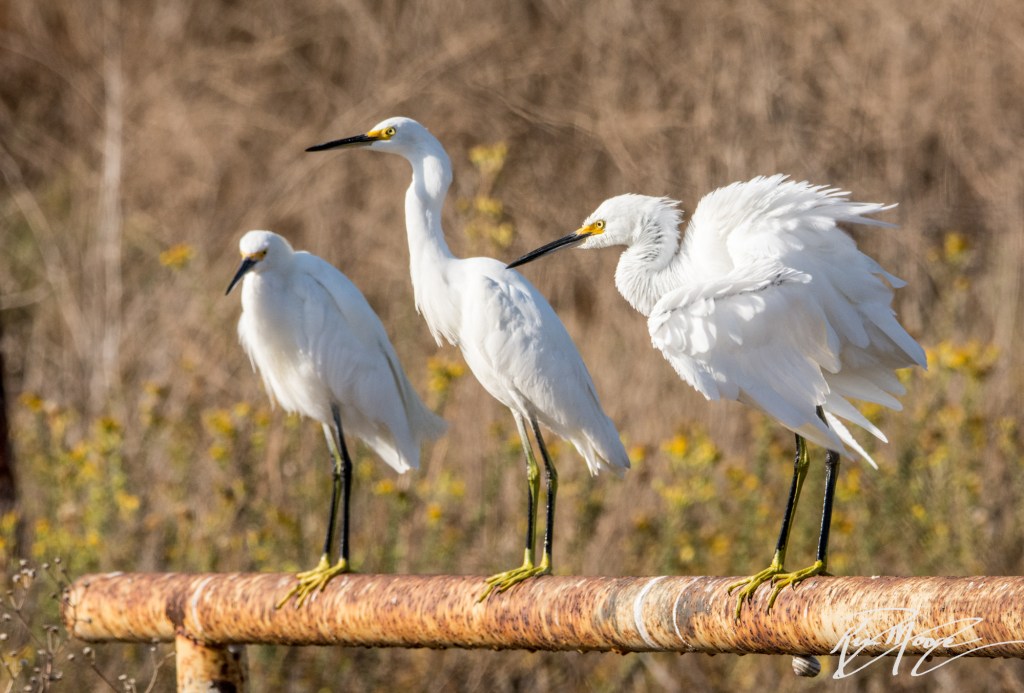 A white crane native to Los Cerritos Wetlands. Signal Tribune file photo.
Solar Panel Glare
One concern is the solar panel glare causing collisions, disorientation and a change in migration patterns. For example, the panels may confuse birds and bats that may mistake it for water, creating a “sensory trap” and causing them harm if they fly toward the hard surface. The wetlands are host to many bird species, including the Belding’s Savannah Sparrow, the California Gull, Cooper’s Hawk and the Western Burrow Owl.
The glare could also impact residents who frequent the wetlands’ walking trails, impairing their visibility.

Vegetation Removal
The Trust is also concerned about fuel modification zones impacting vegetation that overlap with these areas. Fuel modification zones are areas designed to prevent wildfire spreading by clearing, thinning or replacing vegetation with fire-resistant plants.
If they were to remove native vegetation to create these fuel zones, it could trigger the invasion of non-native grasses, causing “type conversion,” the Trust said in a letter to the City. These grasses could become highly flammable, making the area more likely to catch fire.
“There’s extremely rare plant life and animal life out there,” said Lambe in a Feb. 4 meeting with residents concerned about the project’s environmental risks. “You cannot just sweep that under the rug.”
Tribal and Cultural Land
The Trust said the project fails to recognize tribal land the wetlands sit on, which the Trust has identified in its own EIR for the wetlands’ restoration project.
The project also needs a tribal consultant, which is not currently outlined in the MND.
“There was a vast wetlands network that used to be out there and now there’s hardly any left,” Lambe said. “It’s death by a thousand cuts if you add in the stressors from the new big buildings that are going to be in Southeast Long Beach, another proposal for an office park … These impacts add up.”
 Angela OsorioReporter
Angela is a multimedia journalist and a third-year journalism student at Cal State Long Beach. She has won awards for her coverage of campus government and crime, as well as entertainment stories and print design. Angela is passionate about the role of local journalism in servicing underrepresented communities, and hopes to continue her work reporting on local policy, environmental justice, community solutions and more.
Related Posts: