
SACRAMENTO, Calif. (FOX26) — A California law designed to reduce prison overcrowding is now facing renewed scrutiny after a convicted child molester was deemed suitable for parole, and another Central Valley inmate could soon qualify for the same review.
The controversy centers on California’s elderly parole program and a recent decision by the Board of Parole Hearings.
Sacramento offender deemed suitable
64-year-old David Allen Funston, convicted of molesting multiple children in Sacramento in the 1990s, was recently found suitable for release.
Under current law, inmates who are at least 50 years old and have served 20 years in prison can request a parole hearing.
The only exclusions apply to those sentenced to death or life without the possibility of parole.
Funston has served 27 years.
Congressman Kevin Kiley called the decision alarming.
“Who committed the absolute most vile and heinous of crimes and yet he’s been recommended for early release,” Kiley said.
The elderly parole law was passed in 2017 following a federal court order requiring California to reduce prison overcrowding.
In 2020, the state expanded eligibility by lowering the age requirement from 60 to 50 and reducing the minimum time served from 25 years to 20.
Critics argue those changes went too far.
“California needs to address these reckless laws that were made on the books,” Kiley said.
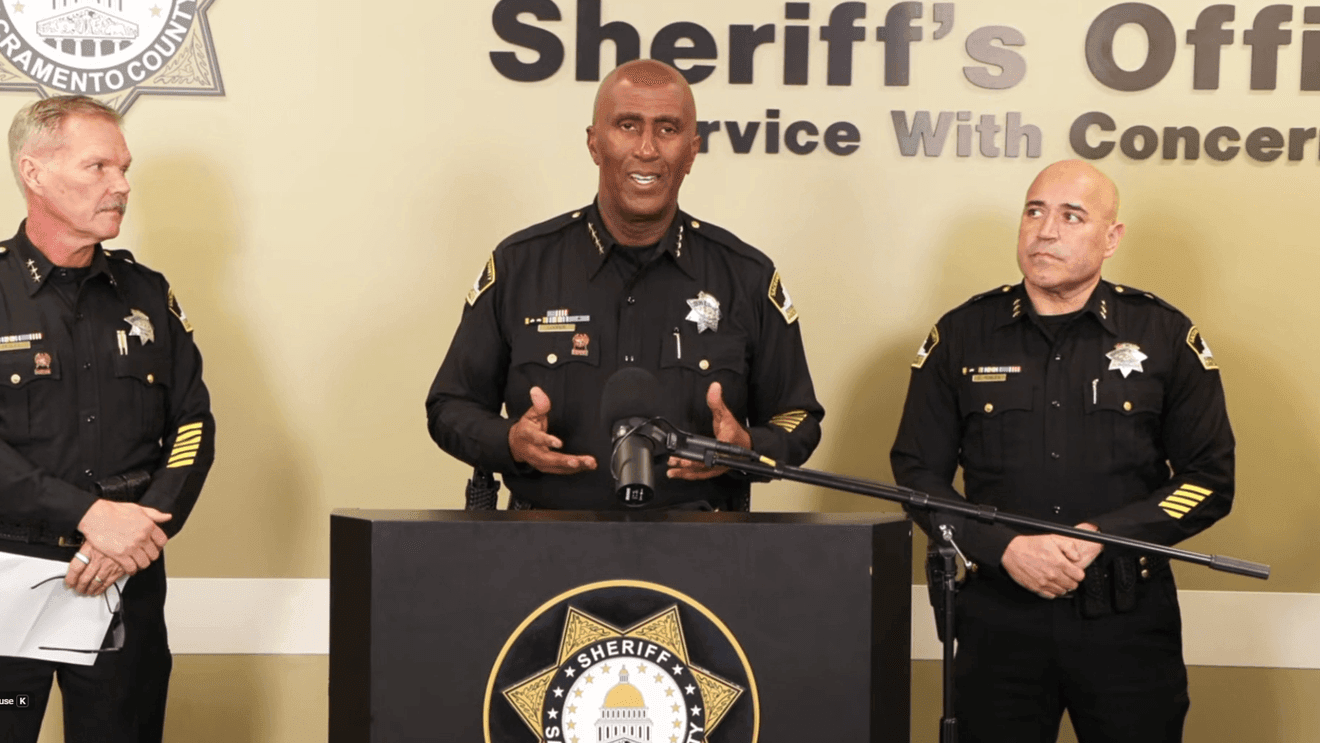
The Sacramento County’s sheriff also expressed frustration.
“A judge in Sacramento described him as the monster parents fear most,” the sheriff said. “Yet today, the parole board decided he is suitable for release.”
Even Governor Gavin Newsom asked the board to reconsider.
In a statement to FOX26, a spokesperson said the governor requested a re-review of the decision and does not agree with the outcome.
CDCR doesn’t control who and when someone is entitled to a parole hearing—that’s up to the legislature, courts, and DAs who set prison terms and sentences—but the Board can and does ensure that people who are released on parole after a hearing pose no unreasonable risk to public safety.
However, under state law, the governor does not control standard parole decisions.
They’re made by the Board of Parole Hearings.
Funston ultimately was not released.
Authorities say he was re-arrested by the Placer County Sheriff’s Office on new child molestation charges stemming from a 1996 case in Roseville.
A similar situation in the Central Valley
The debate has now reached the Central Valley.
In 2008, a Merced County jury convicted Ignacio Vargas of repeatedly molesting an 8-year-old girl over a two-year period.
A judge sentenced Vargas to 88 years plus 500 years to life, which was described at the time as the longest sentence in county history.
During sentencing, a victim advocate read a letter from the girl’s mother that said, “He robbed her innocence, her childhood…he destroyed her life.”
Despite the length of that sentence, Vargas could become eligible for elderly parole review in July 2027 because of his age and time served.
Whether he would be granted release would again fall to the Board of Parole Hearings.
Proposed fix in the works
Lawmakers are now considering Senate Bill 286, which would prevent people convicted of certain sex crimes from qualifying for early parole under the elderly parole law.
Supporters say the change is necessary to protect victims and public safety.
Opponents of the current law argue the recent cases highlight what they call a loophole that allows serious offenders to seek early release.
As the debate continues at the state Capitol, families in both Northern California and the Central Valley are watching closely.
The question now facing lawmakers is whether the elderly parole law should apply to every qualifying inmate or whether certain crimes should automatically disqualify them.
For some victims’ advocates, that answer is clear.
We want to hear from you.
Should people convicted of child molestation ever qualify for early parole?