
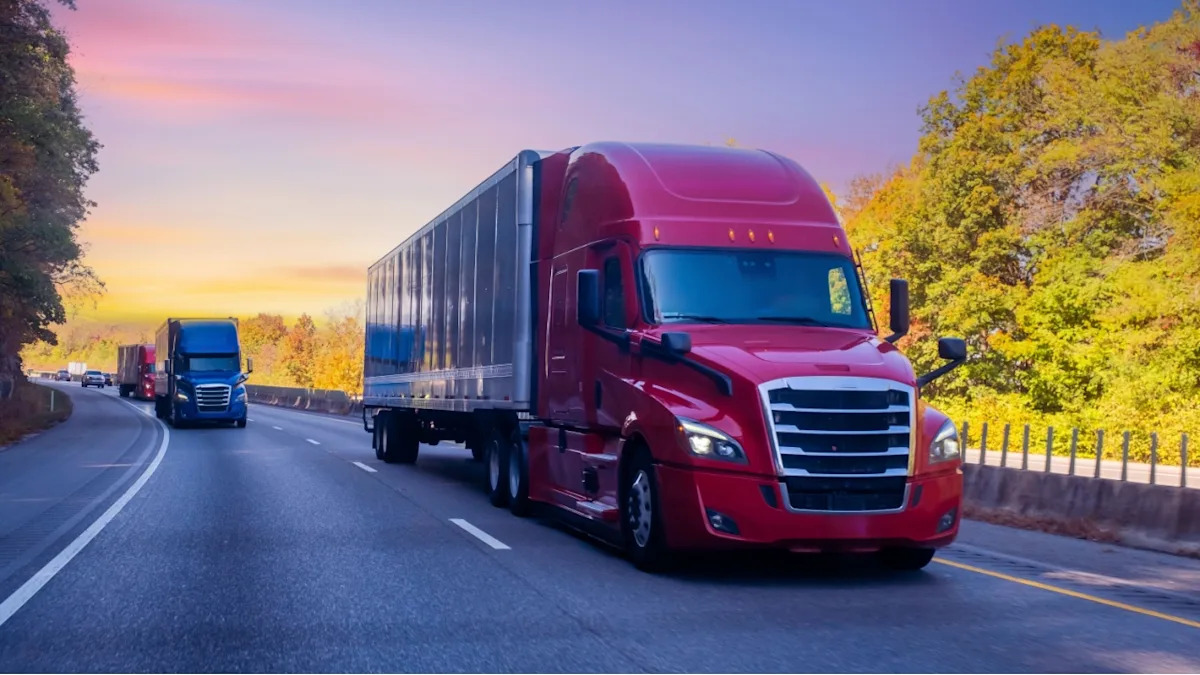
A tentative ruling out of Alameda County Superior Court handed a significant, if temporary, victory to thousands of immigrant commercial drivers in California this week.
The decision means that for now, more than 20,000 truck drivers — many of them asylum seekers and immigrants with legal temporary status — will not be losing the licenses they need to keep their businesses running.
The Dalilah Law and Where We are Now
The backstory is a bit of a bureaucratic nightmare wrapped in a political one. The U.S. Department of Transportation flagged what it called clerical issues on certain California commercial driver’s licenses — specifically around expiration dates — and pushed the California DMV to pull those licenses. The DMV complied, sending out notices last fall to more than 20,000 drivers telling them their licenses would be expiring within 60 days. Merry Christmas, essentially.
That’s when the legal pushback began. A law firm alongside the Asian Law Caucus and the Sikh Coalition filed suit on behalf of the affected drivers, arguing California skipped the proper process for revoking licenses. The state responded by extending the expiration dates to March 6 — which promptly earned California a punishment from the federal government: a threatened $160 million withholding of federal highway funds. Because nothing says “fix a clerical error” like pulling funding for roads.
The judge’s tentative ruling this week would allow affected drivers to hold onto their licenses through their original expiration dates — in some cases as far out as 2027 or later. A final decision is expected shortly, along with a plan from California’s attorneys on how to balance keeping these licenses intact while not further poking the federal bear.
Image Credit: Vitpho/Shutterstock.
A large number of the affected drivers belong to California’s Sikh community, many of them immigrants from India. The plaintiffs in the lawsuit include school bus drivers and long-haul commercial drivers alike — people who move kids to school and freight across the country. Their licenses, in many cases, weren’t even close to expiring before all of this started.
The ripple effects are already showing up in the supply chain. One California-based freight broker noted that the cost of shipping a single load from New Jersey to Texas has climbed over 35% due to a national shortage of drivers. “We just can’t find drivers,” he said. The kind of thing that tends to show up, eventually, in the price of everything you buy.
Longer term, the picture gets murkier. The Department of Transportation finalized a rule in February that would prevent states from issuing or renewing licenses to many of the immigrants affected here. Two major labor unions and a consumer advocacy group are currently suing the federal government to block that rule before it takes effect next month. California itself has also filed suit over the threatened funding cuts and the potential loss of its authority to issue commercial licenses at all.
In short: the legal battles are far from over, the stakes are high on all sides, and somewhere out there, tens of thousands of professional drivers are just trying to get to work.