
Retail is where daily life happens.
It shapes how people move, where they gather, how long they stay and whether they feel connected to a place. In every thriving city, the health of its streets reflects the health of the city itself.
High streets are not just about shopping. They are about identity, energy, safety and whether a district feels alive or hollow. When they work, they become the social and economic glue of a community. When they don’t, everything around them softens. Foot traffic fades. Residential demand weakens. Public space loses its purpose.
I’ve spent the last decade operating marquee retail assets across the country, working alongside global brands and sophisticated ownership groups. Across every market, one truth holds: the strongest retail districts are built through partnership between place and brand.
L.A. has an unmatched mix of culture and global relevance. As the region prepares for the 2028 Olympics, the opportunity is not reinvention. It is refinement. This is about returning to fundamentals. Great streets. Clear identity. Real stewardship of place.
Across the county, cities are recalibrating. Inglewood has invested heavily in entertainment infrastructure. Culver City sharpened its restaurant corridors and walkability. Santa Monica is actively repositioning after retail disruption. And Beverly Hills, particularly the Golden Triangle, continues to demonstrate what structural alignment looks like when it is sustained over time.
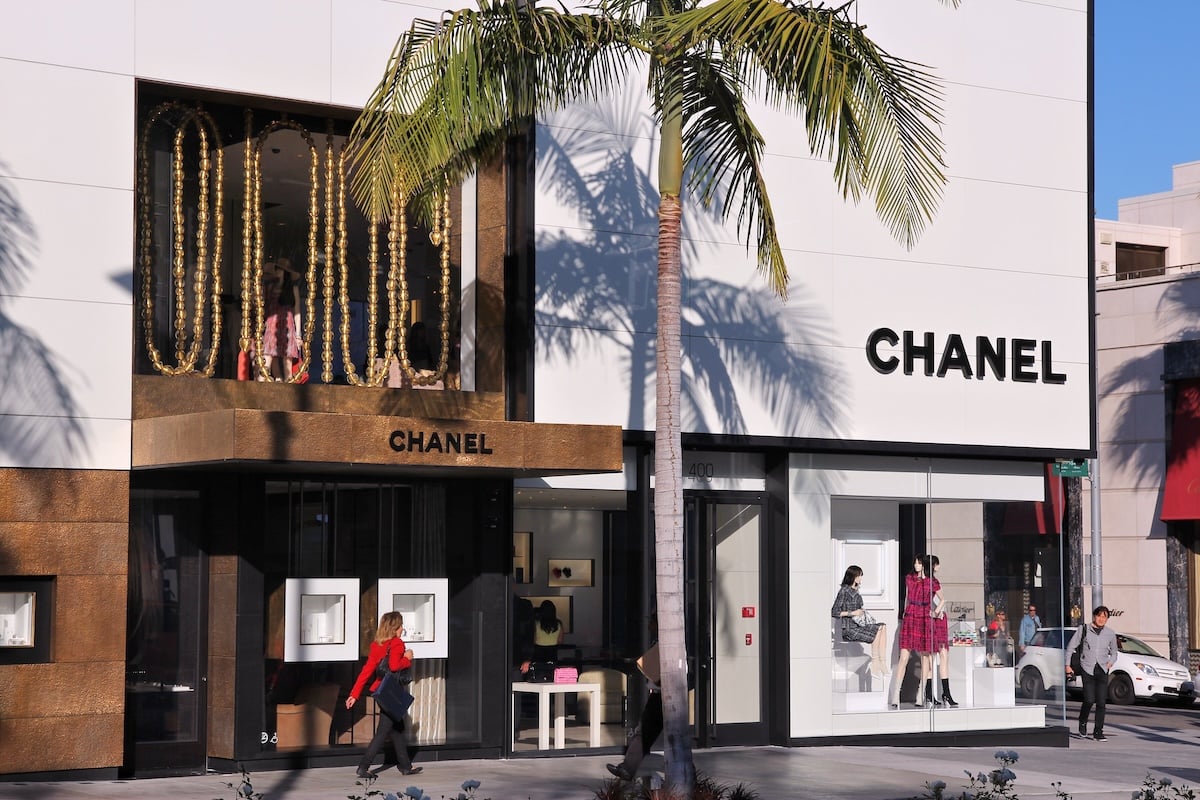
Rodeo Drive is singular. It cannot be replicated. But its success, and the success of Beverly Hills more broadly, is not accidental. Beneath the prestige is discipline, coordination and long-term commitment.
First, identity creates alignment. Beverly Hills knows exactly who it is and who it serves. That clarity allows brands to invest with confidence and build experiences that extend beyond transactions. The city provides context. Landlords provide the canvas. Brands bring global energy. When those elements align, a street becomes a destination.
Second, the public realm unlocks performance. Clean sidewalks. Functional infrastructure. Real safety. Walkable blocks. These are not luxuries. They are prerequisites. If the environment feels chaotic or neglected, no brand can compensate. When it works, brands can focus on service, design, and innovation.
Third, continuity builds trust. Beverly Hills protects its core and maintains standards. Brands invest long term because they trust the ecosystem will remain aligned with their expectations.
These principles matter now more than ever. The Olympics is a once-in-a-generation forcing function. But the real question isn’t how Los Angeles looks in 2028. It’s how it functions in 2038.
Do brands feel confident investing long term?
Do visitors feel safe and inspired?
Does each district have a clear point of view?
For cities across Los Angeles County, the path is straightforward.
Start with the public realm. Visitors experience a city as a system, not one lease at a time. Sidewalks, lighting, signage, cleanliness, and transit shape perception more than any single storefront.
Next, align property owners. Fragmented ownership without coordination produces fragmented outcomes. Cities must convene stakeholders and establish shared standards that support long-term identity over short-term gains.
Then curate for experience, not just occupancy. Districts should feel intentional. Flagship retail, food, culture and gathering space must work together. In Beverly Hills, Rodeo Drive, Beverly Drive and Bedford each hold distinct identities that collectively create cohesion.
Finally, treat global brands as partners in placemaking. When brands feel invested in the success of the place itself, they invest deeper and stay longer.
The Olympics is not a marketing moment. It is a deadline.
Cities that use it to strengthen infrastructure, align stakeholders, and commit to identity will continue winning long after the closing ceremony.
The difference is never hype.
It’s execution.
Doreen Lahav is president and general manager of Beverly Hills-based commercial management firm Lucere.