
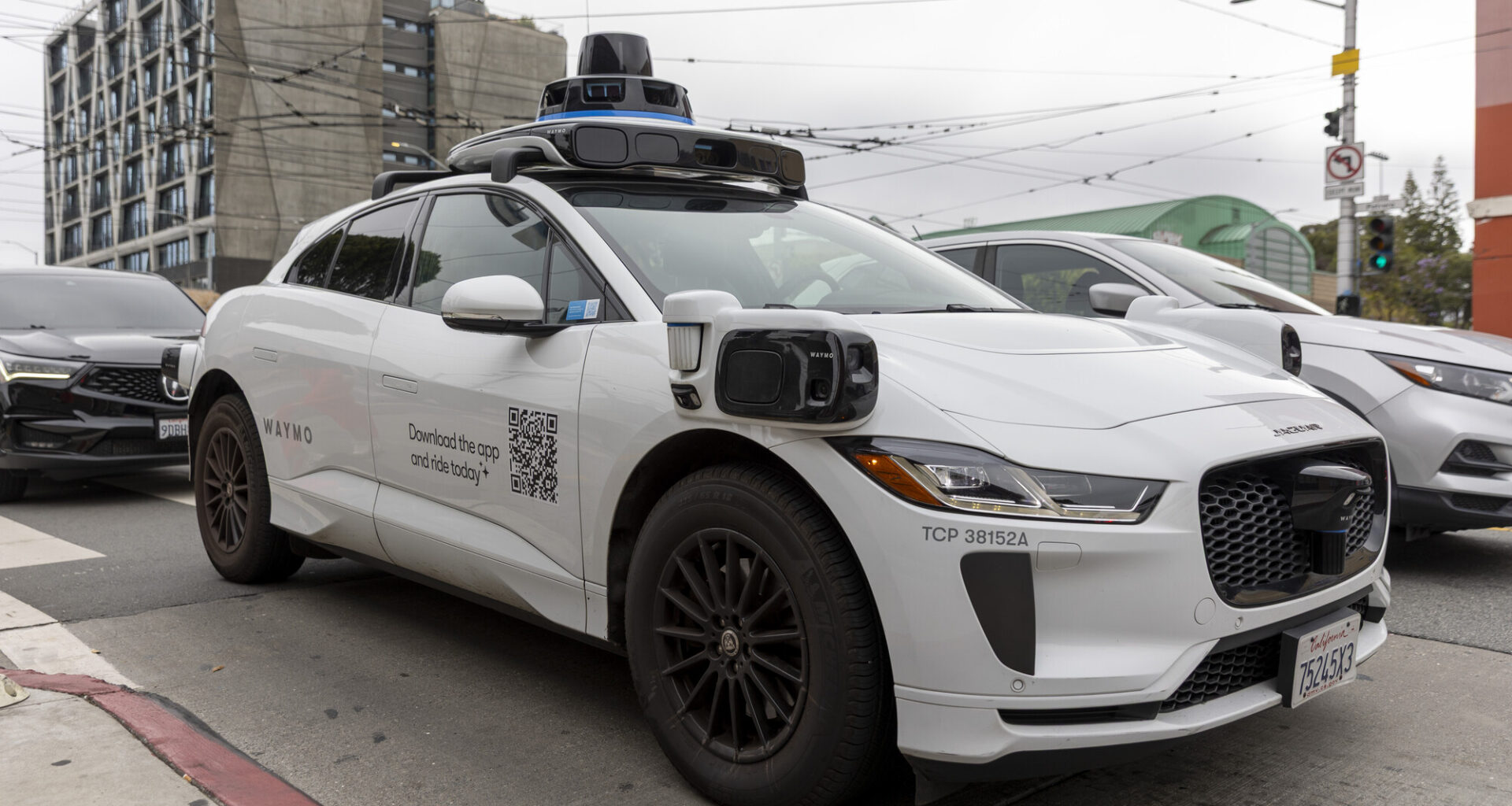
In the December blog post, Waymo representatives wrote, “the scale of the outage and the sheer number of disabled traffic lights were the primary contributors to city-wide gridlock,” adding that it has taken steps to improve the company’s operations during future blackouts by updating software to respond to outages and changing the company’s emergency preparedness and response policies.
Mahmood said during the December outage, San Francisco Mayor Daniel Lurie had to personally call company leaders to get them to move the cars and allow emergency vehicles to access the burning substation.
While regulation of Waymo is largely handled at the state level, out of the jurisdiction of the city’s Board of Supervisors, Mahmood said the purpose of the informational hearing is to hold Waymo publicly accountable.
He added that at a recent meeting meant to hold PG&E to account for the substation fire and resulting power outage, he revealed previously undisclosed facts about the company’s response and has allowed the city to put pressure on the utility to make changes to its protocols.
“ We need to make sure that there is a precedent for good, sustainable emergency vehicle response, and what we saw in December [from Waymo] was not a good response,” Mahmood said. “The purpose of this hearing is to also to set an example to other companies, that if they want to do business in San Francisco, they have to make sure that they have the right procedures in place.”