
Michelle King is an executive editor of the Daily Titan. All opinions expressed in this article are those of the author and do not reflect the opinions of the Daily Titan as a whole.
In recent years, artificial intelligence has transformed from something used to create poorly rendered images to running vehicles, diagnosing medical conditions and creating images nearly indistinguishable from real life.
However, an over-reliance on AI can quickly lead to a collapse of human autonomy. Society should listen to the moral dilemmas considered in literature of the past for guidance to adequately prepare and understand the unprecedented consequences of AI.
Poets and writers, the uncredited historians of human emotion, have a long history of documenting the dangers of unregulated invention.
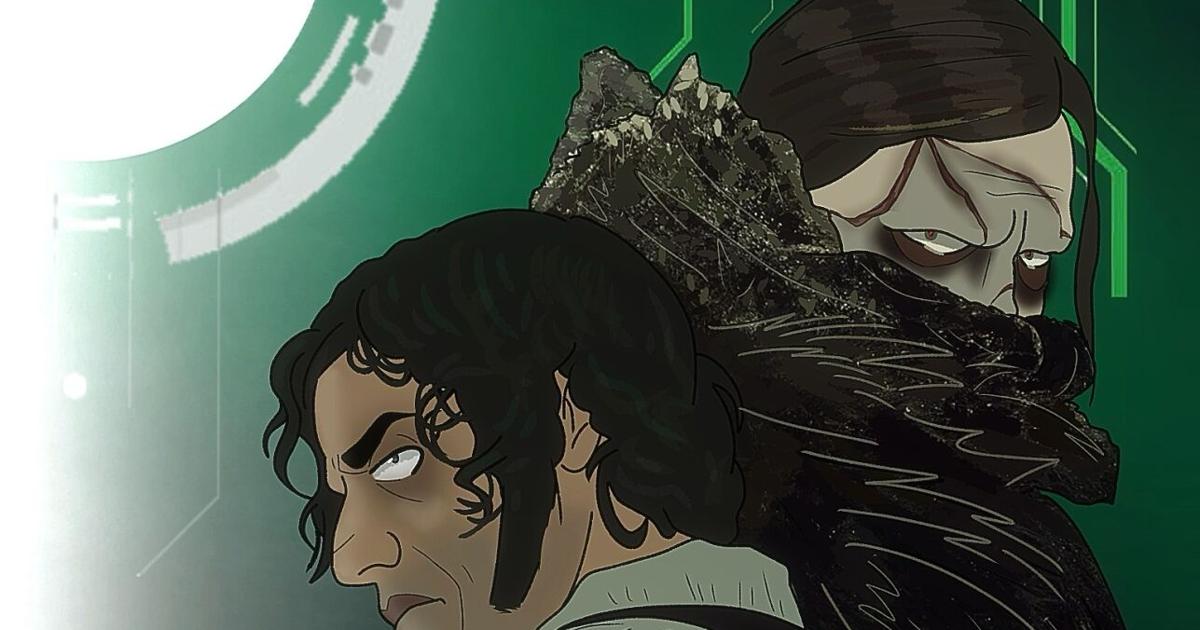
One of literature’s best cautionary tales, Frankenstein, written by eighteen-year-old Mary Shelley amidst the Industrial Revolution, unveils the dangers of man playing God and of uncontrolled invention wreaking havoc on society.
Shelley understands the importance of inventions — her story is not to dissuade creation, but to consider the consequences of the creations once fortified.
Frankenstein tells the story of crazed inventor Victor Frankenstein, a man obsessed with reanimation and creating life from death and the repercussions of his abandonment of his creation, an extremely poorly socialized and educated entity.
While the regent, romantic world of Frankenstein is far from modernity, everyday people are living like Victor, making gods of themselves, disregarding the impacts of their digital “creatures.”
“Driven by his own ambition, he (Frankenstein) refused to fully consider what he was doing and then to address the implications of what he’d done. Many eras of literature advocate that we learn to understand each other, care about what’s happening to each other, and to support and show concern for each other,” wrote Irena Praitis, English, Comparative Literature and Linguistics department chair at Cal State Fullerton, in an email to the Daily Titan.
In terms of Shelley’s work, the extreme advancement of technology, especially AI, is today’s monster. Technology has undergone a sharp shift from being a human-assisting to a human-replacement device. Humankind impersonated God, like Victor, and imparted life onto that which shouldn’t have it, creating a monster-like entity, imposed without restriction.
When used correctly and with restraint, AI is invaluable to the efficient functioning of major corporations and systems. Instead, it has been unleashed without comprehensive understanding and has integrated into society without regard to what happens when AI is left to regulate itself.
“Humans can be so driven by an end goal that they forget to consider outcomes and effects. While we might not be at a point where a human creation is pointedly trying to destroy us, there are products that contribute to erosions of considerations in our human actions,” Praitis wrote.
As Shelley emphasizes, invention is inevitable, but foresight is needed. Society cannot continue to invent without restraint unless it is prepared to reap the consequences of what is haphazardly sown.
AI use seems unavoidable, and it is unrealistic for the simple consumer to push back against corporations implanting it into nearly every aspect of functioning. However, control has not yet been fully relinquished, and it is still possible to limit its use.
“I’m not sure about the AI apocalypse, but I definitely feel that it takes away value from humanity, through employment and passion,” wrote Alishba Jowdat, a fourth-year English major, in a message to the Daily Titan. “Art being imitated by AI does show the rapid advancement, which can be chaotic, but we still have time to have it under control.”
Shelley’s caution of playing God is re-presented, allowing those who are willing to listen to the voices of those who lived through these events prior and learn that these crises are not new, allowing for proactive mitigation.
It does not have to take Frankenstein’s chatbot wreaking havoc before intervention is taken — an alternate Victor that teaches the creature to live and understand can make the change.
This can be as simple as verifying information received from ChatGPT or Google Gemini, as it is through innocuous incorrect search results that misinformation can circulate.
“People can make choices. Even being surrounded by products being pushed on us, we can choose not to use something,” Praitis wrote.
Invention has yet to reach a point of no return — diligence and caution can lead society down a path of well-understood, beneficial invention, without filling the shoes of a divine creator.