
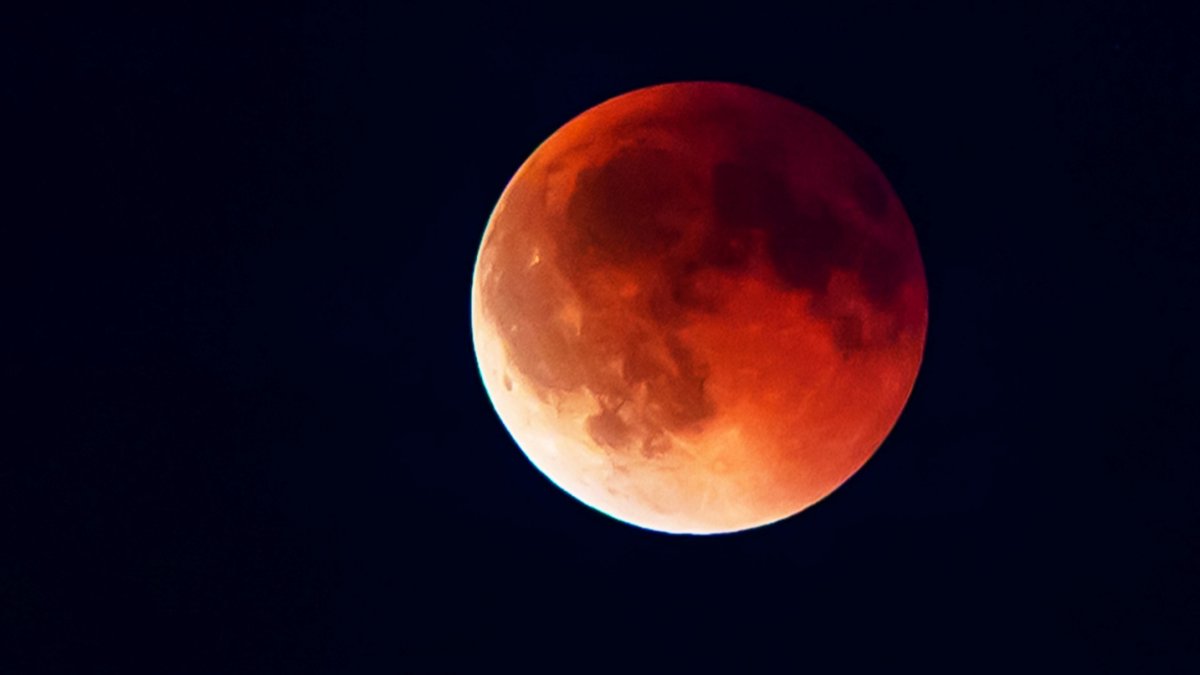
What to KnowTotal Lunar Eclipse BroadcastGriffith Observatory will present a live broadcast onlineMarch 3, 12:37 a.m. through 6:25 a.m.; the “Greatest Eclipse” will occur at 3:34 a.m.The observatory will not be open during the eclipse; the only way to view the observatory’s presentation is onlineThe eclipse will be viewable from Southern California is weather conditions are goodGaze southwest to observe the eclipse, says the observatory, which “… may be easily seen with the unaided eye”The “blood moon” event will boast a reddish glow “… due to the Earth’s atmosphere acting as a lens and preferentially directing red and orange light onto the lunar surface,” shares the observatory
We may not require an umbrella during these warm March-starting days here in Southern California, but an epic umbra is most definitely going to captivate us in the very earliest hours of March 3.
That’s because a Total Lunar Eclipse is happening overnight, or throughout much of the night, with a start time of 12:37 a.m., just a half or so after midnight.
The astronomical event will be viewable from Southern California, if the clouds stay away and conditions are right, but there’s another way to bask in the cosmic wonder, and all without leaving your bed, your robe, or the cozy confines of home: Griffith Observatory will offer a live broadcast online, giving moon mavens a closer look at this always epic Earth-in-the-way event.
No shade to our planet, but the shade element in the lunar eclipse is very much due to Earth passing between the sun and the moon.
So that strange shadow, or umbra, if you please, that is viewed moving along the moon during the event? It’s not so strange at all, when you consider you’re existing on the planet doing the shadow work at the very moment the shadow is being cast.
Not only with Griffith Observatory’s live online presentation provide a thrilling peek at this ancient astronomical occurrence, but the observatory has provided a helpful graphic, too, depicting the umbra, penumbra, and how the whole eclipse will proceed.
The “Greatest Eclipse” will take place at 3:34 a.m., so set that alarm if you’re not committed to pushing through the wee small hours.
Very important, and we cannot add enough importants to the following sentence? Griffith Observatory will not be open during the eclipse. So be sure to plan to observe from home or wherever you happen to be, and not the high-on-the-hill landmark, which will be very much closed to the public.
Eager for more ethereal eclipse-based joy? A partial lunar eclipse is coming up later in 2026, on Aug. 26-27.