
Mayor Daniel Lurie last week asked the San Francisco Department of Public Health to cut an additional $40 million from its budget over the next two years.
Lurie requested $20 million come from staff reductions, and another $20 million in cuts from community-based organizations. “This may result in service reductions given the magnitude of reductions required to close the deficit,” a memo from the mayor’s office to the department read.
Community groups are already facing cuts. Over 100 people flooded last month’s health commission meeting to protest $17 million in contracts with such groups that were already on the chopping block. Several returned Monday evening for another round of lobbying amid the new demands.
Community-based organizations help the public health department provide everything from HIV testing to substance-use treatment. Healthcare workers have described them as essential to the safety and well-being of both clients and medical staff.
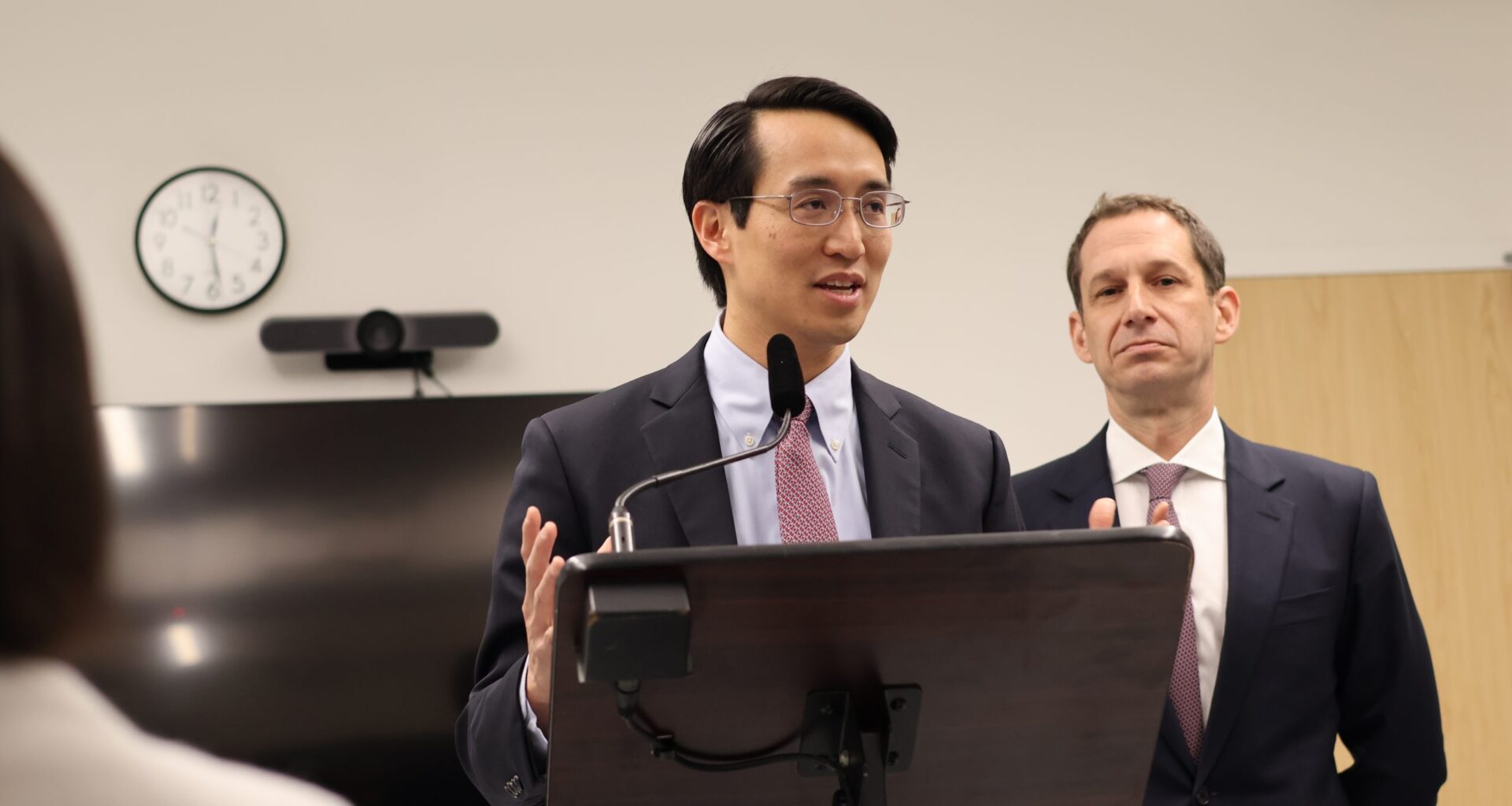
Department of Public Health Director Daniel Tsai said in February that the cuts, which come as San Francisco faces an almost $300 million deficit in the upcoming year, are painful for everyone. “There is really no joy in any of the decisions that we’ve been trying to make,” he said. “And sometimes it’s a question of what is the least difficult or least harmful decision to make.”
Now, the memo from the mayor’s office read, “the City’s fiscal situation requires more.”
The $40 million in ongoing reduction and $5 million in contingency proposals the mayor has requested must come from both programs staffed by city employees and contractors, the memo said.
The Department of Public Health plans to meet the city’s required budget reductions, a spokesperson wrote in a statement. “We will approach these difficult decisions with transparency, prioritizing the needs of patients, communities and staff while also mitigating the effects of significant federal funding cuts.”
The mayor’s office directed the public health department to both eliminate vacant positions and consider layoffs for duplicative roles.
When it comes to contracts with community-based organizations, the department was told to focus on programs’ “measurable impact” and look for numbers on overdoses prevented, health disparities reduced, people placed into treatment, and minimizing use of the city’s emergency response system by repeat clients.
On Monday, the Department of Public Health said it received additional instructions from the mayor’s office to protect “safety net” services for low-income San Franciscans.
Access to substance-use medication treatments and crisis stabilization services are a priority for the mayor’s office. Programs whose contributions, like “handing out pamphlets,” are less quantifiable are to be “deprioritized,” along with are harm reduction services that “have negative collateral impacts on our communities,” like exposing children to public drug use.
About a third of the department’s first round of proposed cuts were to come from training and workforce development for contractors at community-based organizations to avoid axing direct services. This time around, the mayor’s office noted in its memo that any department of public health budget cuts should not compromise providers’ safety training.
The city has been enhancing security measures by installing more metal detectors and clarifying safety protocols in the wake of the Dec. 4 stabbing of a social worker on the general hospital campus. The mayor’s office will still find funding to cover $7.5 million for half of these enhanced measures, the memo said, with the department of public health covering the other half.
All cuts, the memo added, must be “consistent with the Mayor’s priorities to deliver clean and safe streets, economic revitalization and effective common-sense government.” The mayor’s office declined to comment further when asked about the memo.
The department will propose its plan for the additional $40 million in cuts to the health commission at the end of April.