
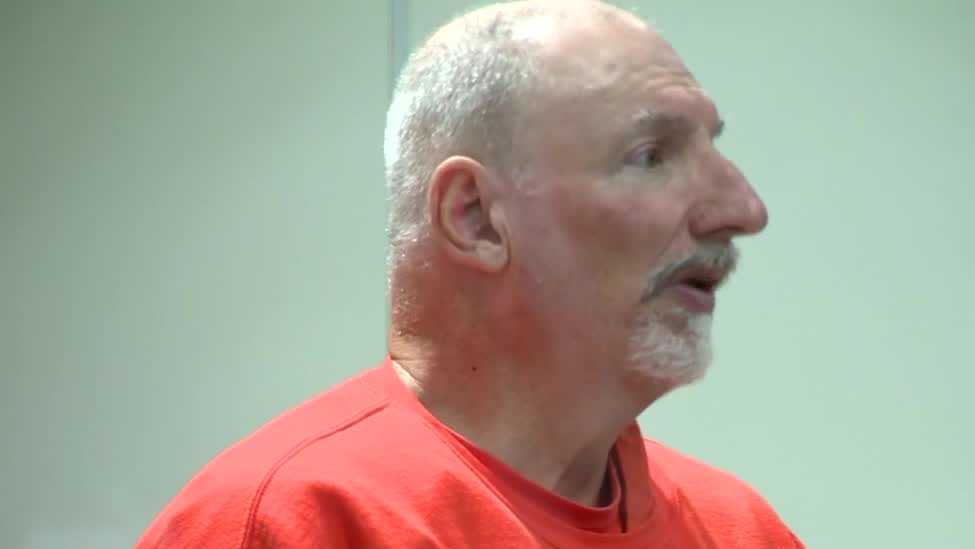
OTHER POSSIBLE VICTIMS, BUT SAYS THEY’RE ALWAYS OPEN TO HEARING FROM THE COMMUNITY. AND OUR COVERAGE ON THIS HAS RAISED A LOT OF QUESTIONS ABOUT WHO IS INVOLVED IN THESE PAROLE HEARINGS AND HOW THEY COME TO THESE DECISIONS. KCRA THREE INVESTIGATES LYSEE MITRI JOINS US TO EXPLAIN JOSIE. YEAH. AND SO FIRST, WE WANT TO START WITH HIS HEARING WHERE HE WAS FOUND SUITABLE. DAVID FUNSTON HE WAS FOUND SUITABLE FOR RELEASE AT A HEARING LAST SEPTEMBER, A PANEL OF TWO MADE THAT DECISION. COMMISSIONER PATRICIA CASSIDY AND DEPUTY COMMISSIONER MICHAEL MET. CASSIDY WAS APPOINTED TO THE BOARD OF PAROLE HEARINGS BY GOVERNOR JERRY BROWN BACK IN 2016, AND REAPPOINTED BY GOVERNOR GAVIN NEWSOM IN 2023. NOW, THE DEPUTY COMMISSIONERS LIKE MET, THEY ARE NOT GOVERNOR APPOINTEES. THEY ARE TYPICALLY EXPERIENCED ATTORNEYS WHO WORK AS ADMINISTRATIVE LAW JUDGES FOR THE BOARD. BUT SINCE HEARING LASTED MORE THAN THREE HOURS, AS THE PANEL CONSIDERED HIS CHILDHOOD, HIS MENTAL STATE, HIS BEHAVIOR IN PRISON, HIS CRIMINAL HISTORY, OF COURSE, AND HIS CURRENT ATTITUDE TOWARD THOSE CRIMES. ULTIMATELY, THEY DECIDED FUNSTON WAS NOT AN UNREASONABLE RISK OF DANGER TO THE PUBLIC. WITH COMMISSIONER CASSIDY MENTIONING SEVERAL TIMES THE COPING SKILLS HE’S DEVELOPED TO AVOID REPEATING PAST MISTAKES. BUT IN JANUARY, GOVERNOR NEWSOM ASKED THE PAROLE BOARD TO RECONSIDER. WHEN THAT HAPPENS, THE BOARD OF 21 COMMISSIONERS HAS TO REVIEW IT. IT DID JUST THAT LAST MONTH, AND A MAJORITY OF THOSE PRESENT VOTED TO REAFFIRM THE ORIGINAL DECISION. SO WHAT WOULD THE CONDITIONS OF HIS PAROLE HAVE BEEN? YEAH, THERE WERE DEFINITELY SOME RESTRICTIONS, AS YOU COULD IMAGINE. HE WOULD HAVE NOT BEEN ABLE TO HAVE CONTACT WITH MINORS. OF COURSE, HE WOULD HAVE HAD TO PARTICIPATE IN SEX OFFENDER TREATMENT, AND HE WOULD HAVE BEEN LIVING IN TRANSITIONAL HOUSING FOR AT LEAST SIX MONTHS. AND WE KNOW THAT HE ACTUALLY IDENTIFIED A PLACE IN FRESNO THAT HE SAID WAS HIS FIRST CHOICE HAD HE BEEN RELEASED. BUT AS WE KNOW, PLACER COUNTY JAIL TOOK OVER SO WELL AND HE MENTIONED THOUGHTS THAT HE WAS STILL HAVING AMONGST ALL OF THIS. AND YOU’VE DONE EXTENSIVE REPORTING ON THIS. SO IF YOU WANT TO FIND ALL OF THAT ON THE KCRA THREE APP AND KCRA.COM. THANK YOU LIZZIE. THANK YOU. AND ON CALIFORNIA POLITICS 360 THIS WEEKEND, POLITICAL DIRECTOR ASHLEY ZAVALA LOOKED INTO THE
After a controversial elder release, how does California’s Parole Board process work?

Updated: 5:52 PM PST Mar 2, 2026
The case of David Funston, a convicted child molester who was granted elderly parole, has raised questions about what led to the decision and how the parole board hearing process works.Funston, 64, was convicted of kidnapping and child molestation in 1999. His punishment was originally three life sentences in prison, but through California’s Elder Parole program, he was found suitable for release at a hearing in September.A panel of two made that decision. Records show the panel consisted of Commissioner Patricia Cassady and Deputy Commissioner Michael Mette.Cassady was appointed to the Board of Parole Hearings by Gov. Jerry Brown in 2016 and then re-appointed by Gov. Gavin Newsom in 2023.Deputy commissioners, like Mette, are not governor appointees. They are typically experienced attorneys who work as administrative law judges for the Board.Funston’s hearing lasted more than three hours as the panel considered factors, including his childhood, his mental state, his behavior in prison, his criminal history and his current attitude toward his crimes.Ultimately, they decided Funston was not an unreasonable risk of danger to the public, with Commissioner Cassady mentioning several times that Funston had developed coping skills to avoid repeating past mistakes.However, in January, Newsom asked the Parole Board to reconsider, requesting an “en banc” review.That means that the board of 21 commissioners must review the decision. So, it did last month, and a majority of those present voted to reaffirm the original decision.Funston was set to be released on parole last week with conditions, like no contact with minors, participation in sex offender treatment, and living in transitional housing for at least six months. Funston had identified a place in Fresno that he described as his first choice, saying he has a support system in the area.Before Funston’s release, though, he was turned over to Placer County authorities instead because a new arrest warrant was issued.He was booked into the Placer County jail in connection with a 1996 case. District Attorney Morgan Gire said it stems from the sexual assault of a child in Roseville.On Monday, Gire explained why that case was not filed decades ago, saying, “At the time, Mr. Funston was already being prosecuted and convicted and sentenced to life sentences. And in those days, life sentences meant just that. Life sentences. So that’s sort of what the thought process was back then was, why go through all the resources? Why put another victim through it when this ordeal had just concluded with the end result that everyone was satisfied with?”Funston is expected to be in court for that case next Monday.See more coverage of top California stories here | Download our app | Subscribe to our morning newsletter | Find us on YouTube here and subscribe to our channel
The case of David Funston, a convicted child molester who was granted elderly parole, has raised questions about what led to the decision and how the parole board hearing process works.
Funston, 64, was convicted of kidnapping and child molestation in 1999.
His punishment was originally three life sentences in prison, but through California’s Elder Parole program, he was found suitable for release at a hearing in September.
A panel of two made that decision. Records show the panel consisted of Commissioner Patricia Cassady and Deputy Commissioner Michael Mette.
Cassady was appointed to the Board of Parole Hearings by Gov. Jerry Brown in 2016 and then re-appointed by Gov. Gavin Newsom in 2023.
Deputy commissioners, like Mette, are not governor appointees. They are typically experienced attorneys who work as administrative law judges for the Board.
Funston’s hearing lasted more than three hours as the panel considered factors, including his childhood, his mental state, his behavior in prison, his criminal history and his current attitude toward his crimes.
Ultimately, they decided Funston was not an unreasonable risk of danger to the public, with Commissioner Cassady mentioning several times that Funston had developed coping skills to avoid repeating past mistakes.
However, in January, Newsom asked the Parole Board to reconsider, requesting an “en banc” review.
That means that the board of 21 commissioners must review the decision. So, it did last month, and a majority of those present voted to reaffirm the original decision.
Funston was set to be released on parole last week with conditions, like no contact with minors, participation in sex offender treatment, and living in transitional housing for at least six months.
Funston had identified a place in Fresno that he described as his first choice, saying he has a support system in the area.
Before Funston’s release, though, he was turned over to Placer County authorities instead because a new arrest warrant was issued.
He was booked into the Placer County jail in connection with a 1996 case. District Attorney Morgan Gire said it stems from the sexual assault of a child in Roseville.
On Monday, Gire explained why that case was not filed decades ago, saying, “At the time, Mr. Funston was already being prosecuted and convicted and sentenced to life sentences. And in those days, life sentences meant just that. Life sentences. So that’s sort of what the thought process was back then was, why go through all the resources? Why put another victim through it when this ordeal had just concluded with the end result that everyone was satisfied with?”
Funston is expected to be in court for that case next Monday.
See more coverage of top California stories here | Download our app | Subscribe to our morning newsletter | Find us on YouTube here and subscribe to our channel