
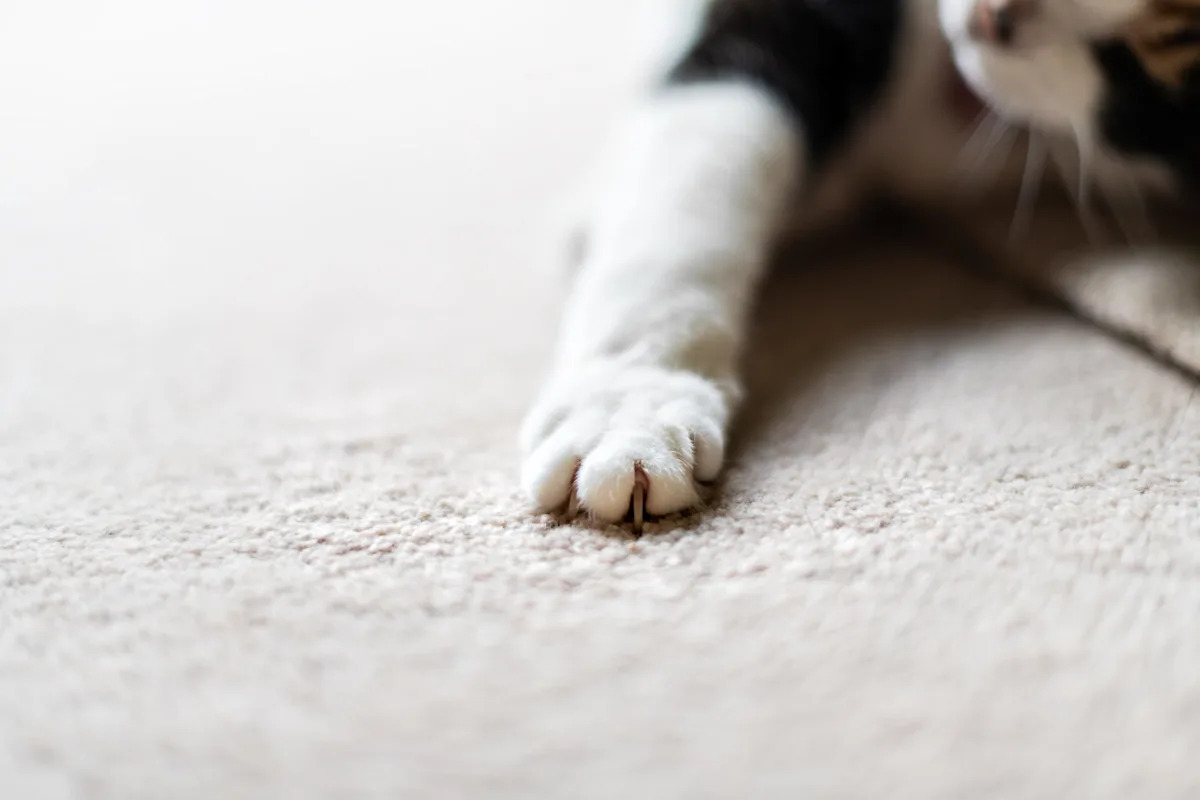
Removing their claws is an acceptable way to keep cats from scratching up furniture — or people, advocates of that practice say.
But opponents say declawing cats is cruel and inhumane.
California lawmakers agreed last year.
Gov. Gavin Newsom signed a bill that took effect Jan. 1, making the Golden State the sixth state to ban declawing cats unless it’s necessary to treat illness or injury.
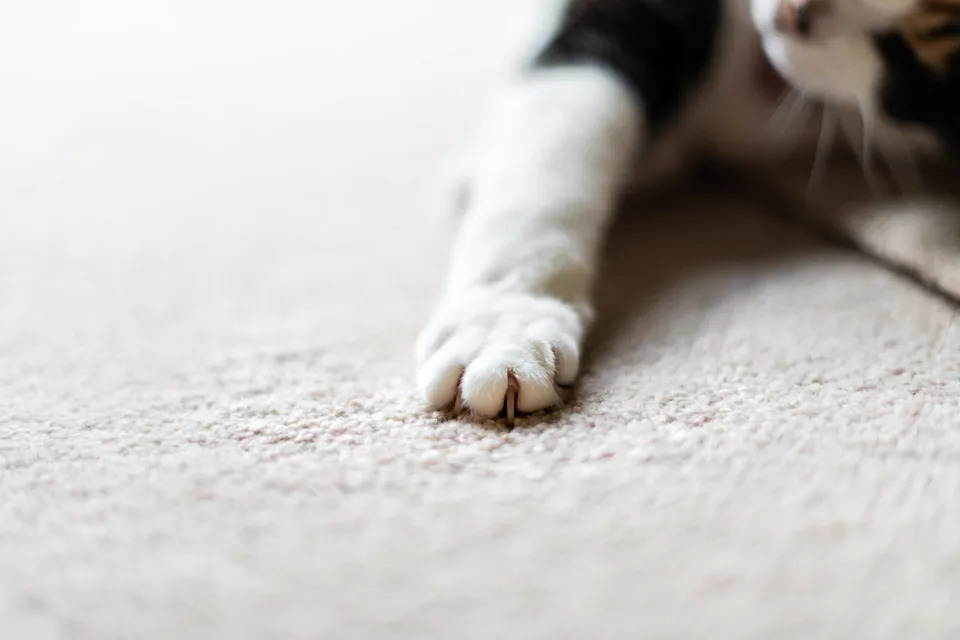
Veterinarians should be able to declaw cats so they don’t scratch up furniture — or people, say advocates of that practice. Opponents counter that declawing cats is cruel and inhumane.
Is declawing cats legal in Kansas?
Declawing cats is legal in Kansas.
In addition to California, the states that ban declawing cats are New York, Virginia, Maryland, Massachusetts and Rhodes Island, said the website of the American Veterinary Medical Association.
It said the practice has also been banned by the District of Columbia and the cities of Denver; St. Louis; Austin, Texas; Madison, Wisconsin; and Pittsburgh and Allentown, Pennsylvania.
What does the California Veterinary Medical Association think?
The California Veterinary Medical Association opposed the bill that state’s lawmakers approved banning declawing cats, the AVMA website said.
It said the CVMA didn’t think the procedure should be “legislated” and argued that veterinarians should be able to exercise professional discretion on a case-by-case basis.
The bill’s sponsor, California Assembly member Alex Lee, said he felt proud to see that state passed the bill to create “a more compassionate society for our feline friends.”
How can declawing cats harm them?
Declawing cars was once a common practice.
The standard approach to cat declawing, onychectomy, is a surgical procedure whereby the distal bones of a cat’s toes are amputated, removing the entire nail bed and claw, the AVMA website said.
“The potential for complications, including infection, chronic pain and nerve damage, makes it a controversial procedure,” it said.
Opponent of declawing cats say the practice can also do the following:
Seriously hamper their ability to climb and to defend themselves.
Bring higher levels of anxiety, irritability and such stress-related behaviors as overgrooming.
Prompt them to urinate in places other than their litter box, because digging in that box is painful to them.
What can owners do instead of declawing their cats?
The website of the AVMA offers these alternatives to declawing for owners whose cats use their claws excessively or inappropriately:
Trim the cat’s nails every week or two.
Prevent damage by gluing the temporary, soft vinyl or plastic coverings known as “nail caps” atop the cat’s claws. Replace the caps every six weeks.
Provide the cat appropriate scratching surfaces, such as posts tall enough to encourage full stretching.
Discourage scratching on inappropriate surfaces by attaching sticky tape or tinfoil to them.
Provide positive reinforcement training.
Use pheromone sprays and/or plug-ins.
Contact Tim Hrenchir at 785-213-5934 or threnchir@gannett.com.
This article originally appeared on Topeka Capital-Journal: Cat declawing banned in California. Is it legal in Kansas?