
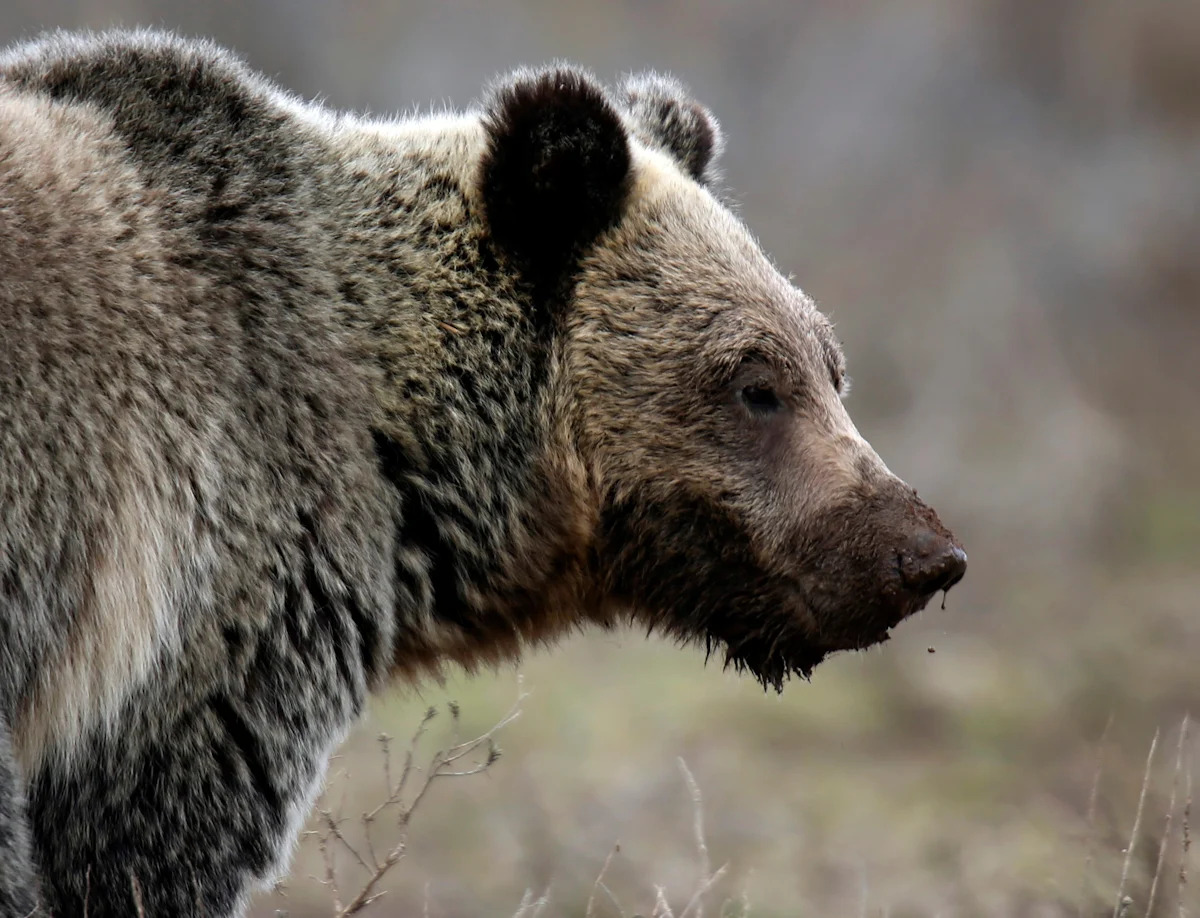
Enshrined on California’s state flag, the grizzly bear has been absent from the state’s landscape for more than 100 years. Now, state lawmakers are considering whether that iconic animal could ever make a comeback.
A new bill introduced in the California Legislature would require state wildlife officials to study the feasibility of reintroducing grizzly bears to California — a move supporters say could restore a lost keystone species, and critics warn could raise concerns about safety and livestock.
The proposal would not bring grizzly bears back immediately. Instead, it launches a years‑long planning and public review process.
Here’s what to know.
What does the California grizzly bear bill do?
State Sen. Laura Richardson, a Democrat representing District 35, introduced Senate Bill 1305, which directs the California Department of Fish and Wildlife to develop a comprehensive “roadmap” for potential grizzly bear reintroduction.
The plan would be required to include scientific assessments, population modeling, and an analysis of ecological and socioeconomic impacts. The department would also have to consult with California Native American tribes, local governments, and affected communities.
Under the bill, grizzly bears could not be reintroduced unless and until the plan is completed and approved. The roadmap would be due by June 30, 2028, and submitted to lawmakers, the Legislative Analyst’s Office, the Fish and Game Commission, and the public.
The bill was referred this week to the Senate Natural Resources and Water Committee and has not yet received a hearing.
When was the last time grizzly bears lived in the wild in California?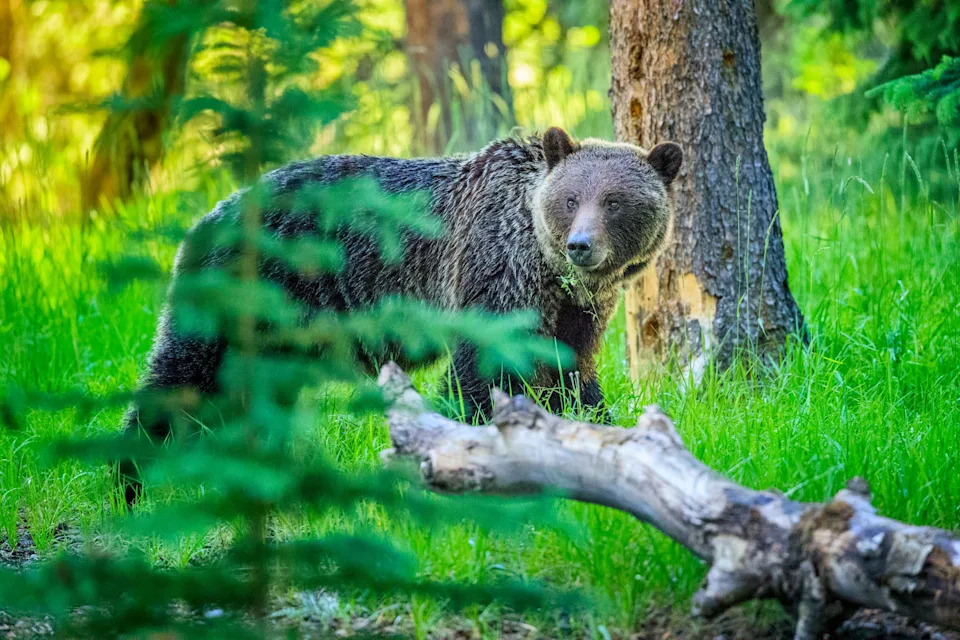
A Grizzly Bear in Jasper National Park, Canada.
Before American settlement, an estimated 10,000 grizzly bears roamed California, from the North Coast and Central Valley to the Sierra Nevada and the Los Angeles Basin.
Their population collapsed rapidly during the Gold Rush era as bears were hunted to protect livestock, eliminate perceived threats, or captured for entertainment. Habitat loss and state‑sanctioned extermination campaigns accelerated the decline.
The last widely accepted, documented sighting of a wild California grizzly bear occurred in 1924 in Sequoia National Park. The species was declared extinct in California shortly afterward, making the grizzly a symbol of the state’s past rather than its present.
Where would California get grizzly bears?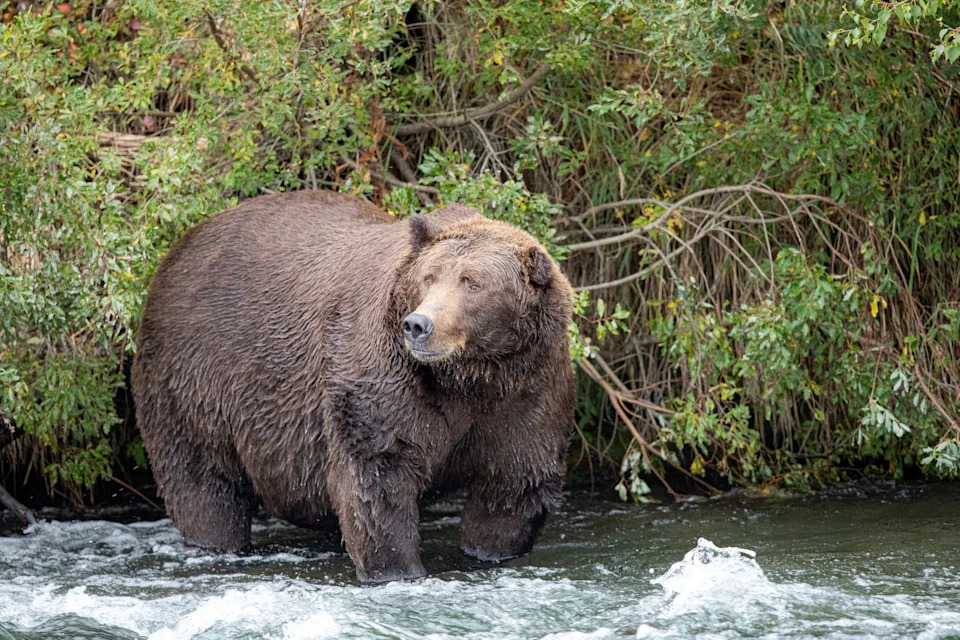
A grizzly bear known to researchers as “Bear 775 Lefty” looks for migrating salmon to help fatten up for the winter hibernation, in Katmai National Park, Alaska, U.S., September 21, 2019.
Supporters of the bill point to recent genetic research suggesting a possible source population.
A 2025 study published in Oxford’s Journal of Heredity found that brown bears in Yellowstone National Park share a common ancestor with the extinct California grizzly bear. The researchers concluded that Yellowstone’s bears are among the closest living genetic relatives of California’s former grizzlies and could, in theory, serve as a source population if reintroduction were ever pursued.
The bill itself does not specify where bears would come from, leaving that question to the planning process.
Do grizzly bears kill livestock in other states?
Grizzly bears do sometimes kill livestock in states where they still live, particularly in Montana, Wyoming, and Idaho, but available data show those losses represent a very small share of overall livestock deaths.
Federal and state wildlife agencies have consistently found that grizzly bears account for far less than 1% of cattle losses in those states. Most livestock deaths are attributed to disease, weather, birthing complications, and other non‑predator causes.
Conflicts tend to be concentrated in areas where cattle graze near prime bear habitat, especially during calving season. Other states use compensation programs and conflict‑reduction strategies, such as electric fencing and range riders, to limit losses.
How often do grizzly bears kill people in the U.S.?
Fatal grizzly bear attacks are rare.
Across the United States, grizzly bears kill an average of two to three people per year, based on national data since 2000. From 2000 to 2015, grizzly bears were responsible for 21 human deaths nationwide, primarily in Alaska, Montana, and Wyoming.
Most fatal encounters occur when people unexpectedly surprise a bear at close range, particularly a female with cubs or a bear defending a food source.
California has not recorded a fatal bear attack in decades, and the state’s current bear population consists almost entirely of black bears.
This article originally appeared on Palm Springs Desert Sun: California bill would create ‘roadmap’ to reintroduce grizzly bears