
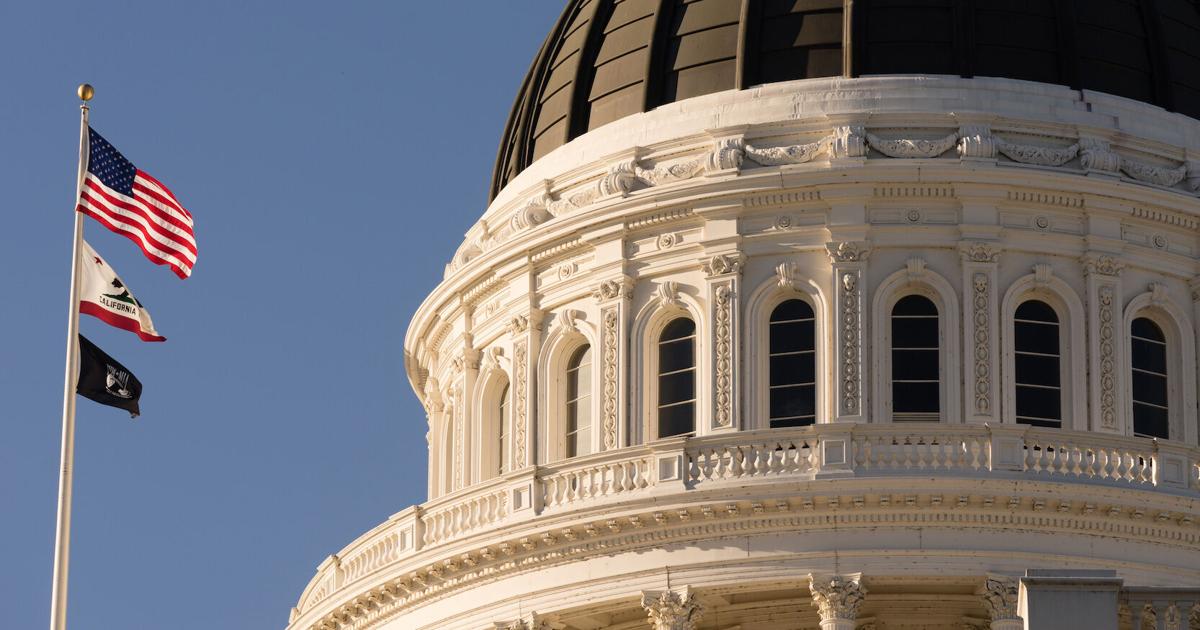
To ensure franchise fees collected by franchisors are used only for designated purposes described in franchise disclosure documents, a California Assembly member introduced legislation adding stricter rules. The bill is the latest with an impact on franchising to enter the state capitol.
Another bill with franchise implications is circulating in the California Legislature.
Assembly Member Josh Hoover, a Republican who represents a district that includes the Sacramento area, introduced a bill meant to reinforce the state’s regulations under the California Franchise Relations Act. According to the state’s website, the bill may be heard in committee on March 23.

California Assembly Member Josh Hoover
The existing rules define a franchise fee as “any fee or charge that a franchisee or sub-franchisor is required to pay, or agrees to pay, for the right to enter into a business under a franchise agreement.” The new law would enforce how those fees are used by the franchisor once collected from the owners.
In a statement to Franchise Times, Hoover said, “my bill simply ensures that the money that franchisees pay to their parent company is spent on its intended purpose. It’s a basic fairness issue.”
The bill would prohibit a franchisor from using any fee collected on anything other than the stated purpose listed in the FDD or franchise agreement. Also, if a franchisor were to use a portion of fees on administrative expenses or overhead, the law would set a 10 percent max on allocating what’s collected from owners. That is unless the franchisor discloses exact figures for administration or overhead separately from other fees.
Additionally, the act would require a franchisor to provide franchisees with annual accounting information on the dollars collected and their use and application for all fees collected.
The bill is one of several laws drafted in the California Legislature over the last several years with impacts to franchising. In 2024, Gov. Gavin Newsom signed into law legislation amending the state’s franchise investment rules to add registration and pre-sale disclosure requirements for franchise brokers, including franchise broker networks and franchise sales organizations.
The information required for disclosure by brokers under the law includes contact information, professional experience, litigation history, general compensation structure and brands sold in the previous year. Third-party franchise sellers would also be required to file an annual registration, which is also required in New York and Washington.
The legislation, set to take effect in June, will hold brokers liable for any misrepresentations or errors made during the disclosure or sales process. This can range from financial fines to the revocation of a broker’s license.
Despite the law’s schedule for taking effect this summer, the legislation’s implementation is now expected to be delayed, possibly another year, as funding from the state is pending.
A year before the broker law was signed, Newsom put his signature on another bill that was the result of many months of negotiations. In mid-2023, a deal was reached between state leadership, labor groups and quick-service restaurant companies on a minimum wage increase to $20. Taking effect in April 2024, the wage increase applied to fast food brands with more than 60 locations across the country.
The legislation also established a council with QSR industry representatives, franchisees, employees and QSR worker advocates, as well as an unaffiliated member of the public to serve as its chair. The deal was struck months after QSR companies and franchise organizations looked to oppose a previous version of the law via referendum. That bill, titled the FAST Act, would have increased the minimum wage to $22.