


The Davis City Council approved a new economic development strategic plan this week as city leaders grapple with a budget deficit expected to persist for years.
The plan outlines ways the city could expand its tax base while maintaining Davis’ identity as a university-oriented community with slow, carefully managed growth. Council members approved the plan but directed staff to conduct additional research on some of the recommendations.
City officials say the effort is necessary as Davis faces structural financial challenges. The city spent about $5 million more than it raised last year, leaving its general fund reserve at roughly 8% of spending — well below the city’s target of 15%. Officials anticipate another deficit of about $3 million this year.
Those pressures were central to city leaders during a workshop last month when department heads and elected officials discussed the city’s priorities and financial outlook.
City Manager Daryel Dunston said the city had made progress toward fiscal stability but warned that “spending will outpace revenue for the next several years.”
Some officials said the city will need a clearer long-term vision as it confronts those financial pressures.
“I don’t know what the vision is for Davis. I don’t know what you want the city to be in 20 years,” said Community Development Director Sherri Metzker during the workshop.
Former City Councilmember Dan Carson, speaking during public comments, said the city must address rising infrastructure costs and long-deferred repairs.
“These are crushing problems,” Carson said.
The economic development strategy presented Tuesday is intended to address those concerns.
Building Davis’ economic strategy
The plan encourages policies that “promote tourism, arts and culture, business-friendly practices, workforce development, targeted industry growth, and sustainable, value-aligned economic expansion,” according to the report. Such policies would “ensure that future decisions reinforce the City’s identity and long-term fiscal and environmental integrity.”
Davis Economic Development Manager Katie Yancey spearheaded the effort. Yancey joined the city in April 2024 after nearly two decades working on housing and economic development in West Sacramento.
The plan outlines an economic vision that seeks to preserve Davis’ “compact, university-oriented small-city feel” while maintaining a high quality of life and supporting the city’s economy.
UC Davis remains the city’s primary economic driver. The university generates more than $30 billion in economic activity and supports more than 30,000 jobs. Its presence has also helped shape a highly educated workforce: more than 72% of adult residents hold a college degree.
That talent pool has attracted companies focused on agriculture, life sciences and engineering — industries the plan suggests the city should continue prioritizing.
The report recommends Davis more aggressively tap into UC Davis’ technology pipeline and build industries aligned with the university’s research strengths. It also suggests focusing on sectors that match California’s broader economic priorities, including life sciences and environmental sustainability.
City identifies barriers to growth
At the same time, the plan identifies several barriers to economic growth in Davis.
Those include aging infrastructure, limited commercial space and zoning rules that restrict opportunities for development. Commercial vacancy rates are low, and the city has relatively little high-quality office space.
Only about 13% of Davis’ commercial inventory qualifies as Class A office space, the highest quality designation. The city also lacks industrial and flexible commercial spaces commonly used by growing companies. According to the report, only about 3% of Yolo County’s industrial or flex space is located in Davis.
Yancey said simplifying regulations and improving permitting processes could make the city more attractive to investors and businesses.
“When the city reduces unnecessary hurdles, the entire local economy becomes more dynamic for our private investors, it becomes more predictable and therefore more attractive for investment,” she said.
Regional competition presents another challenge. Nearby cities including Vacaville, Woodland, Sacramento, Dixon and West Sacramento offer more developable land and often faster permitting processes, the report states.
Another complication is the influence of UC Davis’ large student population on economic data.
“The large student population skews income, poverty and spending data,” according to the report. That can make the city appear less economically attractive to outside investors and developers.
The plan suggests Davis should take advantage of its location within the growing capital region while positioning itself as a destination for entrepreneurs and companies relocating from the Bay Area.
One potential strategy is encouraging new office and laboratory space through infill development projects, which can be approved by the City Council without voter approval. The city could also partner with organizations such as the Downtown Davis Business Association and the Davis Chamber of Commerce to strengthen the downtown business district.
“I believe that the city can reignite its economic engine,” Yancey said. “And hope that the retail will then help take care of itself.”
Economic development plan’s next steps
In the next 18 months, the plan recommends publishing clearer permitting resources, evaluating stalled development proposals, identifying underused city properties and creating an incentive program to attract targeted industries and environmentally sustainable projects. The city could also establish a registry of vacant storefronts to help track opportunities for new businesses.
Medium-term goals between 2027 and 2029 include developing a retail recruitment strategy, expanding internship and fellowship programs to strengthen the workforce pipeline and continuing efforts to streamline permitting.
Longer-term recommendations for 2030 and beyond include modernizing the city’s permitting system, accelerating construction timelines and revitalizing the downtown core.
Yancey told council members the initial steps outlined in the plan are within the city’s current budget and authority. But she said meaningful economic change will take time. Some of the most significant economic development efforts the city undertakes could take more than a decade to produce results, she said.
“Innovation isn’t optional here in Davis,” Yancey said. “It’s important for us to figure out how to innovate our economic development approaches, because the city’s traditional revenue model, because of limited vacant land, sluggish commercial demand, and the heavy reliance on a university-driven economy, no longer generates enough fiscal stability to meet the community’s expectations.”
Related Stories from Sacramento Bee
The Sacramento Bee
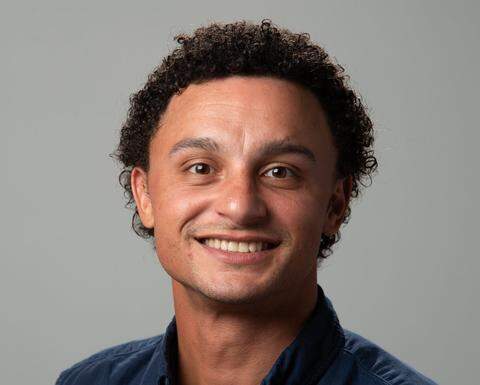
Daniel Lempres is an investigative reporter at The Sacramento Bee focused on government accountability. Before joining The Bee, his investigations appeared in outlets like the San Francisco Chronicle, the Los Angeles Times and The New York Times.