
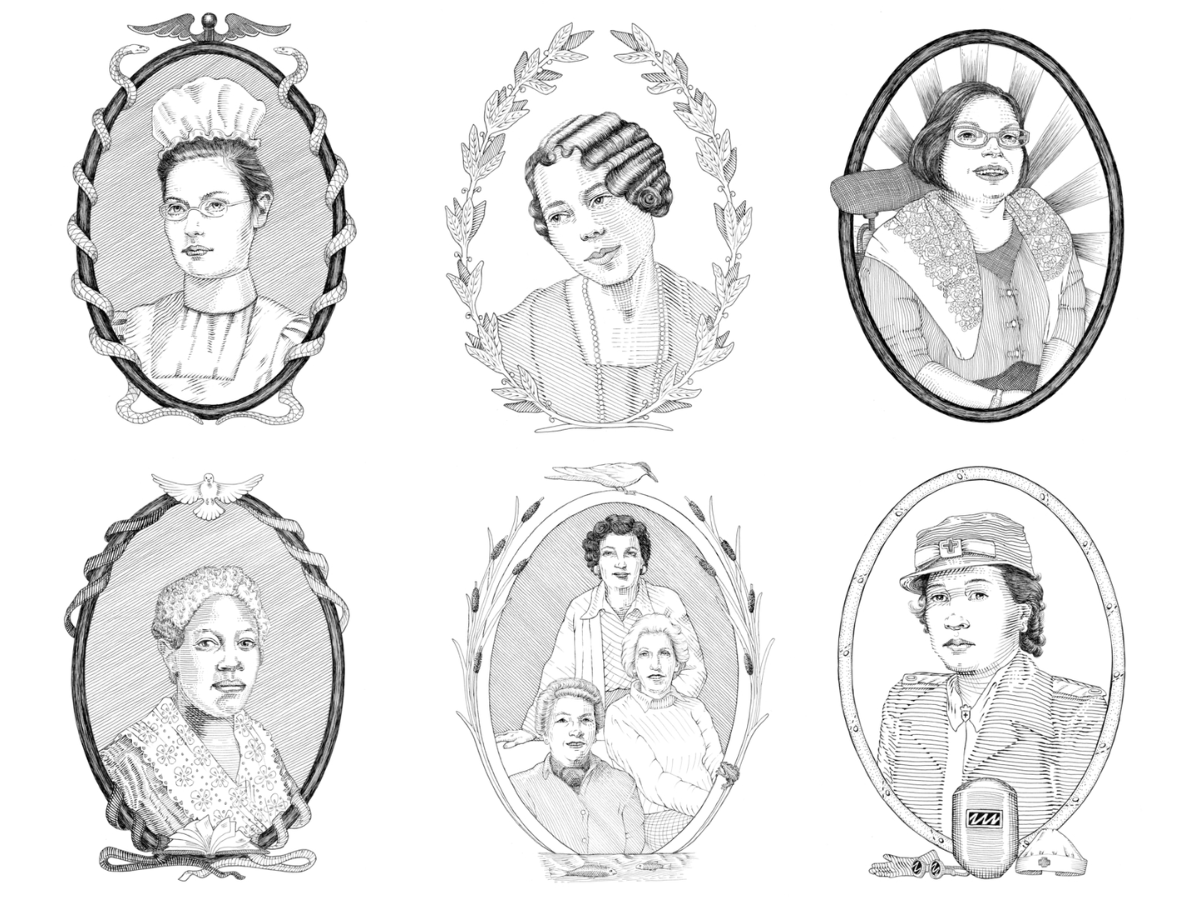
Like many of her so-called Zillennial generation, Rae Alexandra took the achievements of previous feminists for granted. A punk rocker inspired by the empowering riot grrrl movement, she remembered thinking, “Stop making a fuss!” about feminism — until she and her friends got groped at concerts.
Then, a gender studies class during her first year at college, “completely changed my life.” Discovering “the scope of women’s subjugation in every aspect of life — at home, in the workplace, in public spaces, in the media — was a gamechanger,” Alexandra said.
Fast forward more than 20 years and the fervent feminist is working as a staff writer at KQED in San Francisco. Despite the region’s progressive reputation, Alexandra notices “that almost everything in San Francisco is named after men.” She begins researching the lives of influential women who were relatively unknown or overlooked by history and KQED’s “Rebel Girls” series is born in 2018.
Now, City Lights Publishers has turned Alexandra’s research into a book; its March publication coincides with Women’s History Month.
“Unsung Heroines: 35 Women Who Changed the Bay Area” brings together profiles Alexandra has written on each of the women with illustrations by Adrienne Sims. Nine of the 35 were active in Berkeley, either as residents or change makers whose work had an impact.
Here’s a brief look at the nine Berkeley women and their myriad accomplishments. Illustrations are by Adrienne Simms.
9 Berkeley Women OF HISTORY
Delilah L. Beasley: Author of a trailblazing book on Black Californians and the first Black woman to have a column in a major California newspaper
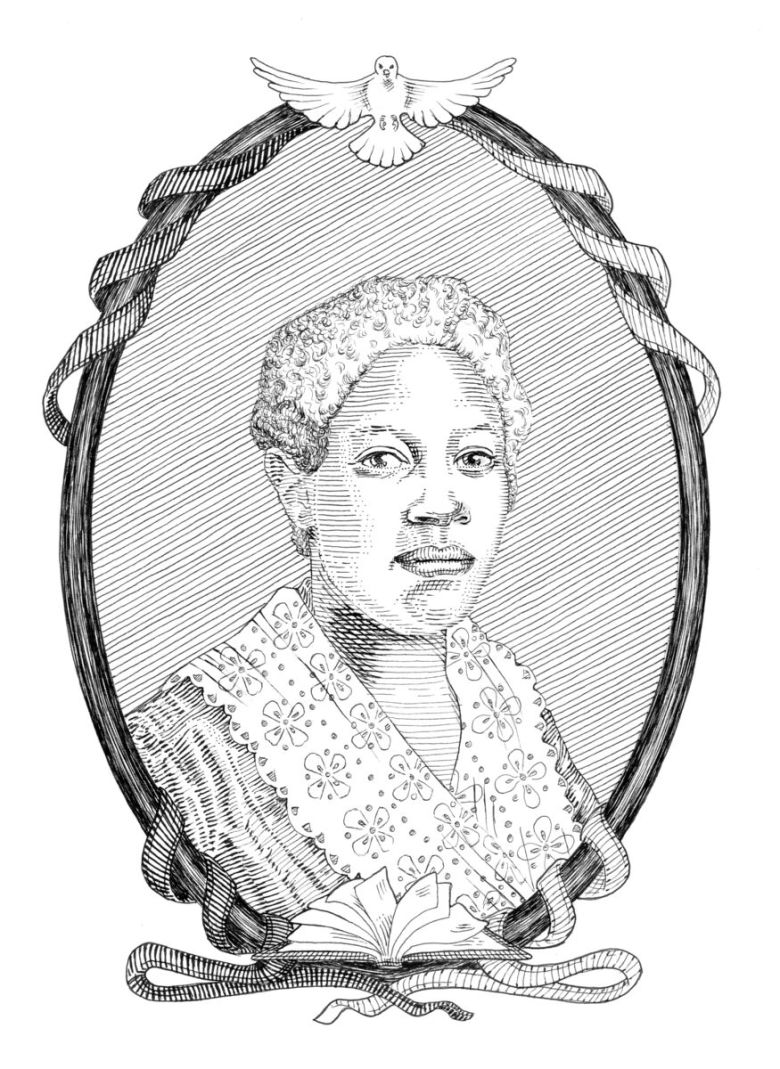
Beasley (1867-1934) took history classes at UC Berkeley that inspired her 1919 book “The Negro Trail-Blazers of California,” which took her eight years to write. During her years in Berkeley, Beasley worked as a physical therapist, and ended up breaking racial barriers when she began writing an Oakland Tribune column, “Activities Among Negroes,” from 1923 to 1934.
Thanks to her Tribune column, Beasley began travelling around the country to persuade the editors of major newspapers to stop using racist language. She spoke at major rallies and protests and joined every civic club, including the NAACP and the Alameda County League of Colored Women Voters.
“Every life casts its shadow,” she once wrote. “I, therefore, pledge my life to the living world of brotherhood and mutual understanding between the races.”
In 1933 she urged the California Legislature to introduce an anti-lynching bill following the lynching of two men in San Jose. The bill became law that year.
“She was the second woman I wrote about,” Alexandra said. “When researching women, I would look to see who had written the article and it would so often be Delilah Beasley. This whole series kind of followed in her footsteps.”
Bertha Wright: Creator of the first subsidized child care nursery in California
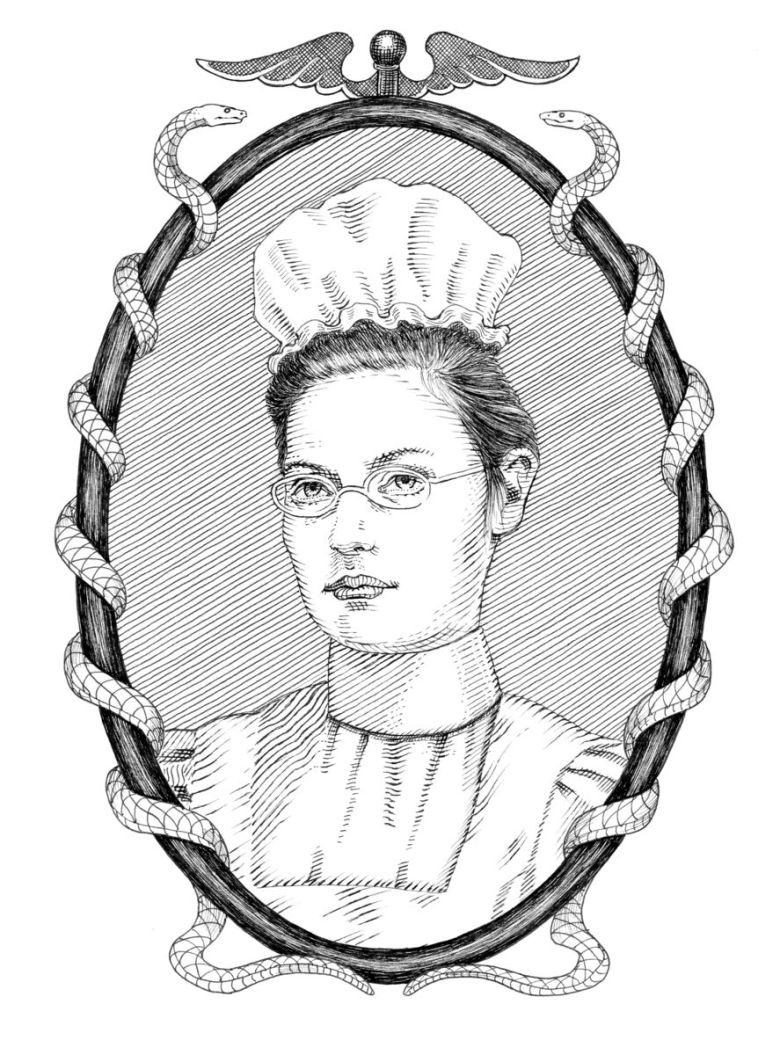
Wright (1876-1971) was a nurse who was “incredibly driven by the welfare of children,” Alexander said. “She would literally travel around in a horse and buggy, trying to help people who would otherwise not have health care for their kids.”
The co-founder of Oakland’s first children’s hospital, now UCSF Benioff Children’s Hospital, Wright was a champion of public health and medical education who was directly credited with lowering the infant death rate across the Bay Area between 1914 and 1916.
In Berkeley, she founded the Berkeley Day Nursery in 1908, the first organization of its kind in California to offer subsidized child care. Before that “working people would have to drop their kids off at an ‘asylum’ that was essentially an orphanage because there was no place else to put them,” Alexandra said.
Vivian Osborne Marsh: The first Black woman to major in anthropology at UC Berkeley and among the very first to earn a master’s degree from Cal
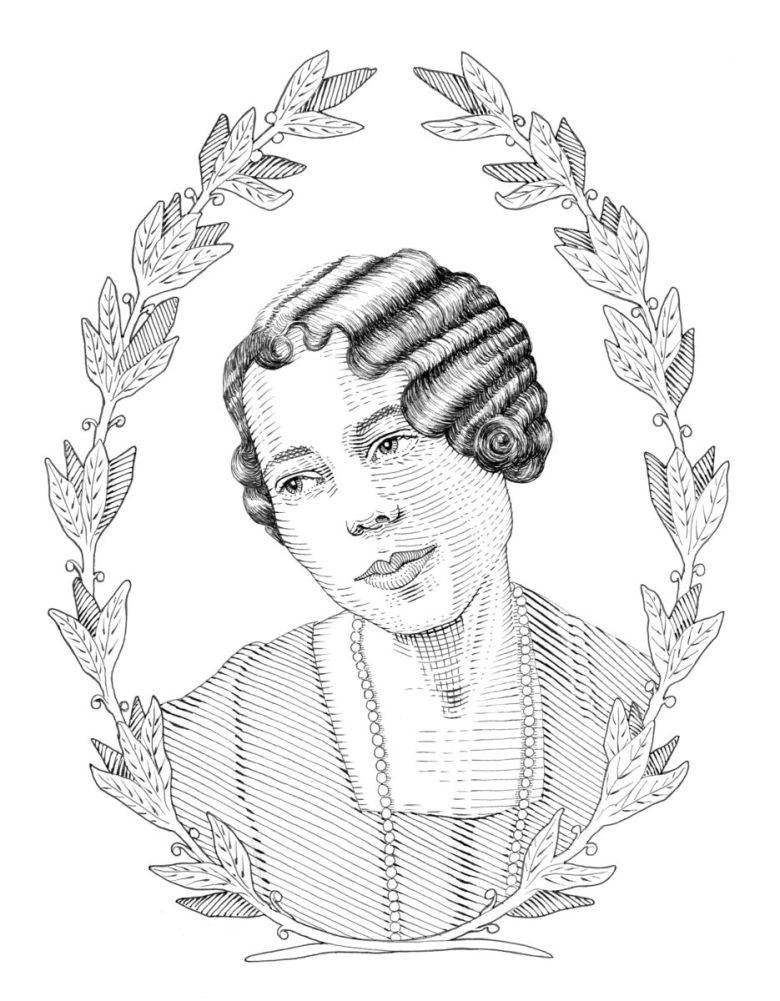
Marsh (1897-1986 ) “did an astonishing amount of things,” Alexandra said. A stellar student at Berkeley High, Marsh became the first Black woman to major in anthropology at UC Berkeley and one of the first two women to earn a master’s degree there. She also founded the school’s first Black sorority, Delta Sigma Theta, and served as its first president.
After graduating in 1922 and marrying, she embraced a life of activism, public service and leadership. Her home on Grant Street became a hub for community organizing and political groups.
In the 1930s, she lobbied to get an anti-lynching bill passed by the U.S. Senate, which was defeated by senators from Texas, Georgia and Florida. During World War II, she became an ambulance driver, nurse and radio operator.
“She kept on going to political conventions right until the end of her life,” Alexandra said. Marsh died of a stroke at a convention in 1986.
Frances Albrier: The first Black person to run for Berkeley City Council and the first Black woman welder in Richmond’s shipyards
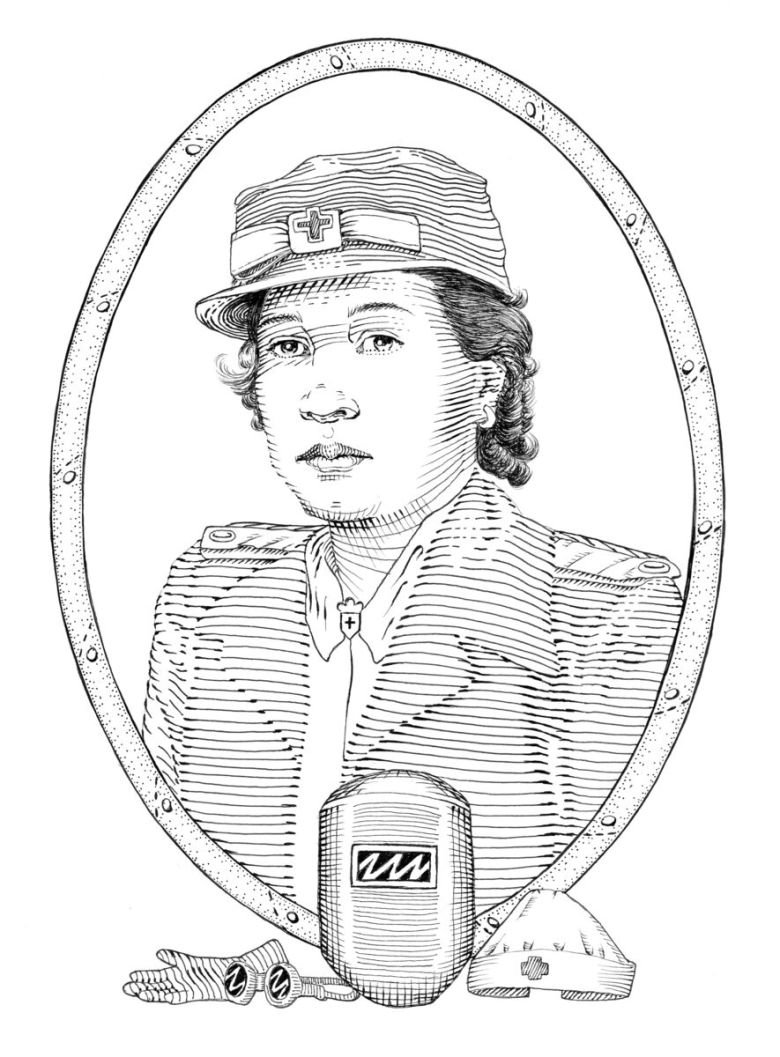
Albrier (1898-1987) ran for city council in 1939, knowing that she wouldn’t win. But she wanted to meet those in power to force them to pay attention to the Black community.
“I wanted to tell them that we had 5,000 Black taxpayers without any representation in the city government or the schools of Berkeley,” she said in 1977.
A graduate of Howard University, Albrier moved to Berkeley in 1920. In World War II, she became the first Black female welder at the Richmond shipyards and was also a Red Cross nurse, a fundraiser for veterans and a campaigner for the welfare of Black soldiers.
“Like Marsh, she was an overachiever and overcampaigner who did so much,” Alexandra said.
In 1965, the City of Berkeley appointed her to its Committee of Aging.
Louise Lawrence: Early trans organizer who launched a magazine and taught doctors
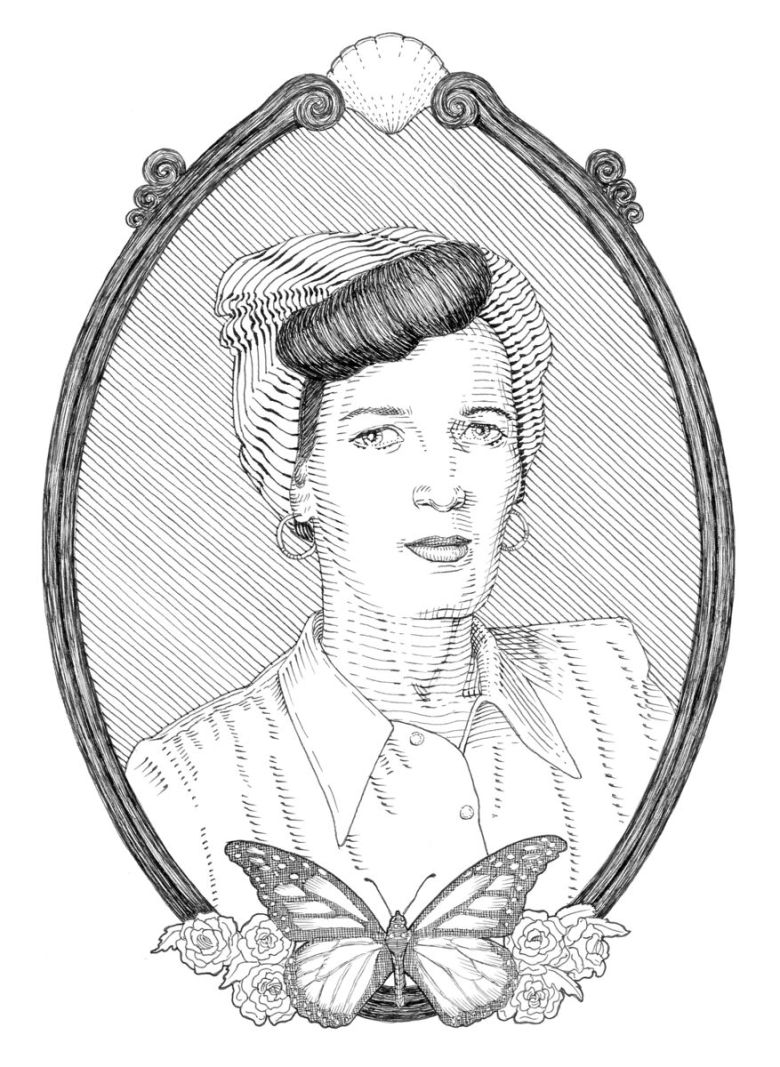
Louise Lawrence (1912-1976) was a transgender community organizer who launched a magazine for gender nonconforming people, educated UCSF doctors about transgender individuals and convinced Dr. Alfred Kinsey to include them in his landmark work on human sexual behavior.
“She was incredibly ahead of her time,” Alexandra said, “She was living very openly as a transgender person in the 1940s and was very loud and proud at a time that would be absolutely terrifying to be either of those.”
After living in Berkeley, Lawrence moved to San Francisco in the 1930s. When she read in the newspaper about gender nonconforming people being arrested, she would reach out to them, creating a network. By the late 1940s, that network included almost 200 trans people, some of whom would share their stories with Kinsey.
Esther Gulick, Kay Kerr and Sylvia McLaughlin: They saved the bay — and thousands of bayfront acreage
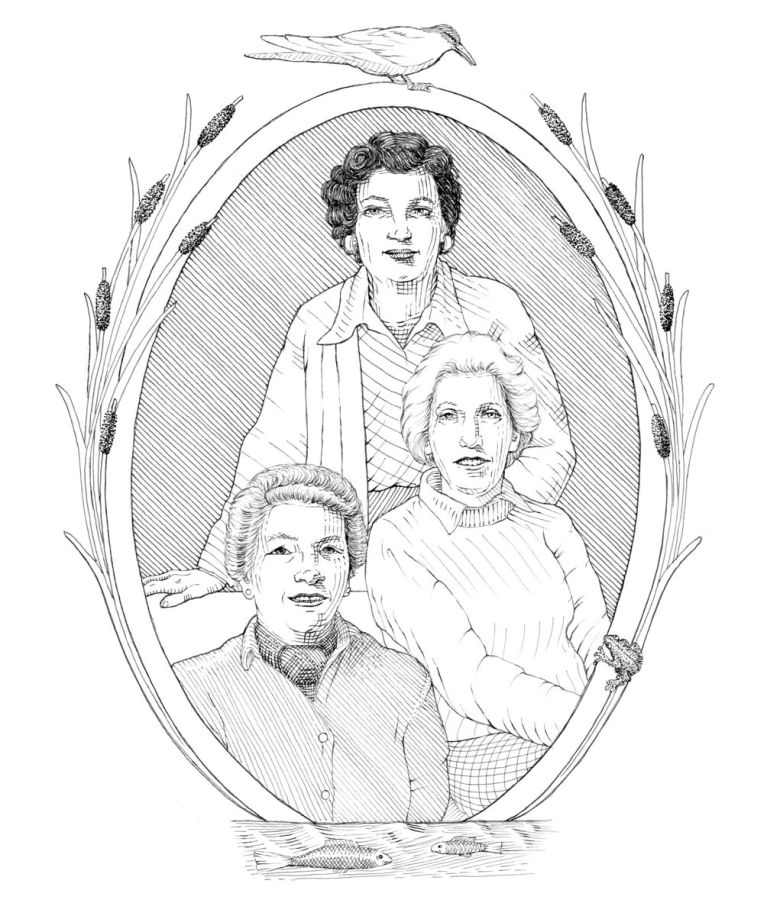
Gulick (1911-1995), Kerr (1911-2010) and McLaughlin (1916-2016) were retired homemakers, some of whom could see the Bay from their homes, when they learned about the Army Corps of Engineers’ plan to fill in much of the Bay Area waterfront for commerce.
At that time, much of the Bay Area waterfront was already polluted and included Berkeley’s own municipal dump, now Cesar Chavez Park.
“These retired homemakers were underestimated,” Alexandra said. “They were savvy and did their research and knew how to talk to the press.”
In 1961, the women founded the nonprofit Save the Bay, which continues their environmental work today.
The McLaughlin Eastshore State Park, an 8.5-mile shoreline park, was renamed in honor of McLaughlin in 2012. The park includes 1,833 acres of uplands and tidelands along the waterfronts of Berkeley, Oakland, Emeryville, Albany and Richmond.
“If it were not for those three women, our entire region would look completely different,” Alexandra said.
Judy Heumann: Groundbreaking disability rights activist
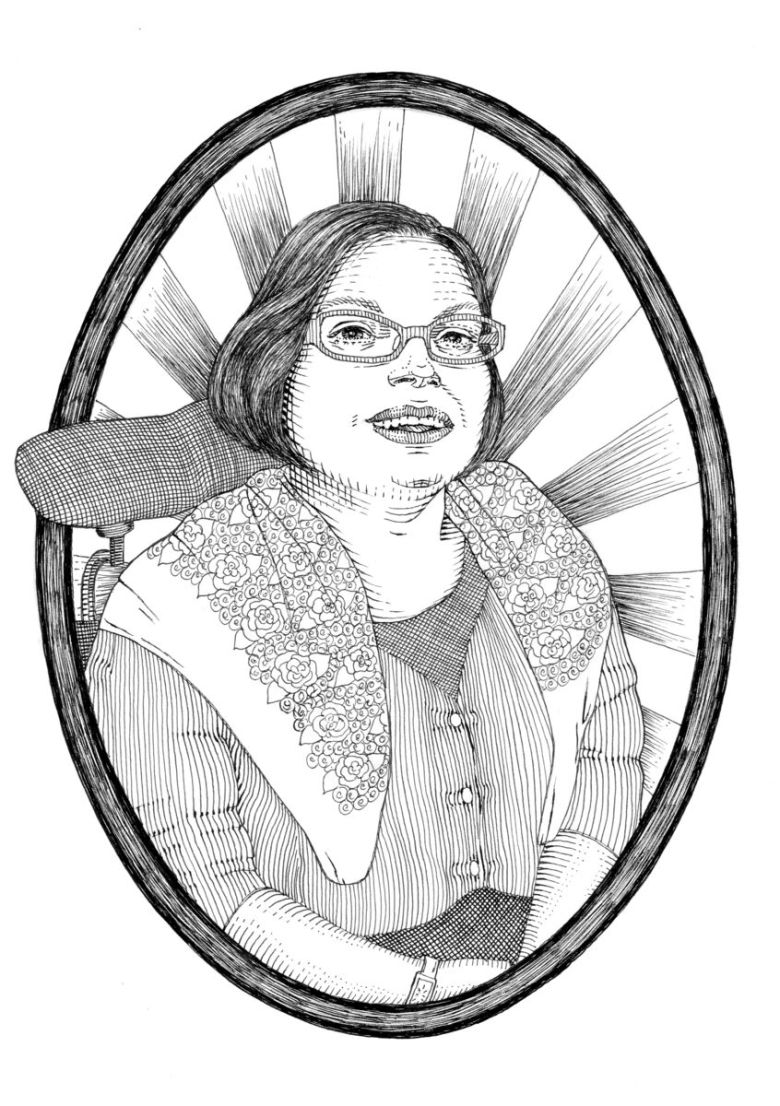
Heumann (1947-2023) was nicknamed “The Mother of the Disability Rights Movement” for transforming the lives, conditions and public access for disabled people in the Bay Area — and the rest of the U.S. Born in New York, Heumann moved to Berkeley to pursue a master’s degree in public health and remained for many years.
“In Berkeley she found so many fellow activists,” Alexandra said, most notably Ed Roberts, who founded Berkeley’s Center for Independent Living. Heumann joined CIL’s board in 1973.
Heumann was instrumental in getting Section 504 of the 1973 Rehabilitation act signed and enacted, which prohibited discrimination by any organization that received federal funds. The signing followed a daring 24-day sit-in at the Department of Health, Education and Welfare in San Francisco’s Federal Building.
The act became the precursor to the Americans with Disabilities Act, signed into law in 1990, which followed another major protest Heumann joined in Washington, D.C.
Your gift fuels our journalism.
Everyone deserves to have someone looking out for them, including you. That’s why we made it our job. When you give to Berkeleyside, you’re defending facts, funding truth-seekers and keeping Berkeley informed.
Help us keep our news free with a donation today.
“*” indicates required fields