
Every day, thousands of Americans lose their homes. But the moment we notice the crisis is almost never the moment it begins.
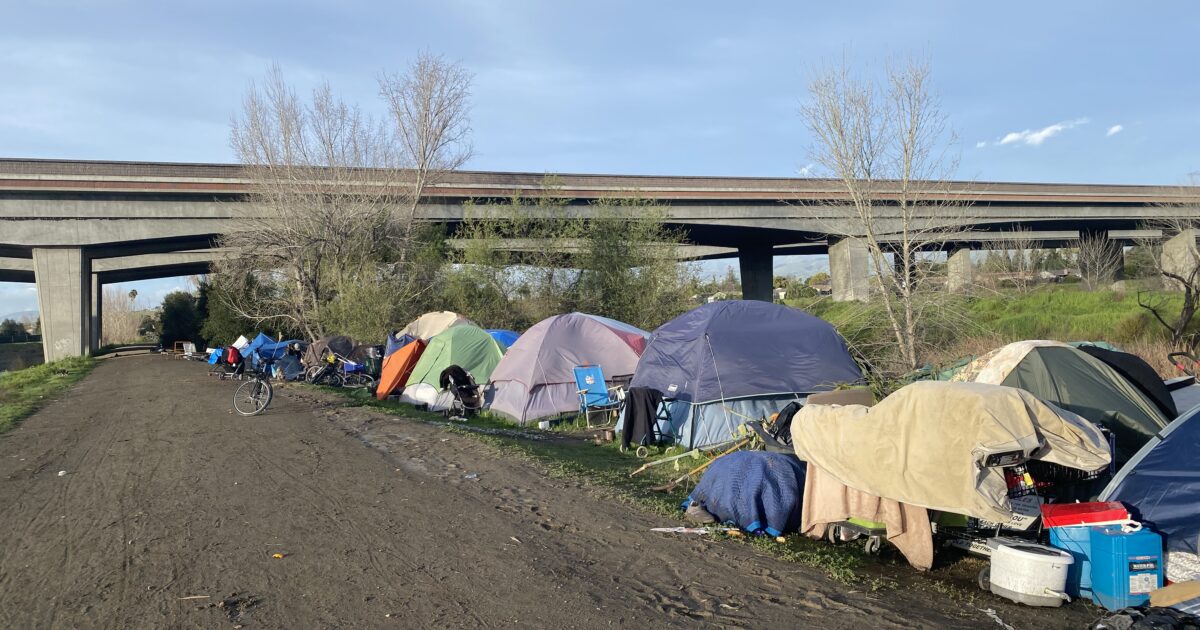
We see the tent on the sidewalk. The car parked overnight on a quiet street. The person waiting outside a shelter door.
By then, the fall has already happened.
What we rarely see are the weeks and months leading up to homelessness — the quiet instability that slowly erodes someone’s ability to stay housed. The rent increase that doesn’t quite fit the paycheck anymore. The medical bill that drains the savings account. The car repair that means missing work for a few days too many.
Homelessness rarely begins with someone sleeping on the street. It usually begins with a life that was barely holding together when something small finally breaks it to pieces.
For decades, our country has treated homelessness almost entirely as an emergency response problem. We mobilize shelters, outreach teams, hospital care and public safety systems after someone has already lost their housing. Those responses matter. They save lives every day. But they also represent the most expensive and least effective moment to intervene.
Imagine if our health care system worked that way. Imagine if we waited until someone was in the emergency room before we cared about blood pressure, diet or preventative screenings. We would call that reckless. Yet that is exactly how our homelessness response system has largely been designed.
That’s why the recent launch of Right at Home, a national initiative focused on homelessness prevention, matters so much.
The premise is straightforward but powerful: If we can identify people who are on the brink of losing their housing and stabilize them before they’re pushed into homelessness, we can prevent enormous human suffering — and save public resources at the same time.
This is not theory. It’s backed by growing evidence from communities across the country, including the incredible work of our partners locally.
And we’ve seen the success firsthand in our community, with hardworking families staying housed and getting the help they need when they need it the most.
In many cases, the difference between stability and homelessness is surprisingly small. A few months of rental assistance after a job loss. Legal help when a tenant faces an unjust eviction. Sometimes it’s as simple as helping someone bridge the gap between paychecks after a medical emergency or other unexpected expense.
These interventions are modest compared to the cost of shelter beds, hospital visits or long-term housing programs that come into play once someone is already unhoused. But their impact can be enormous. When families stay housed, they keep their jobs. Kids stay in school. Health can be maintained. Communities remain intact.
Right at Home is designed to scale this proven prevention approach across multiple communities, pairing local implementation with rigorous research and evaluation. That combination matters. For too long, homelessness policy has swung between urgency and experimentation without enough focus on what actually works at scale.
Prevention offers a different path. It asks us to shift our attention upstream – to the moment before the crisis becomes visible. And if we’re honest, those moments are all around us.
They’re the coworker quietly taking on extra shifts to keep up with rent. The neighbor whose car broke down and suddenly can’t get to work. The family juggling child care costs, medical bills and rising housing prices while hoping nothing else goes wrong.
These are the scenes of instability growing quietly until there are no good options left. Making homelessness prevention a core part of our collective response represents a recognition that we can do better than waiting for that moment.
This intervention won’t solve homelessness by itself. We still need more affordable housing. We still need strong safety net programs and supportive services for people already experiencing homelessness. But prevention can dramatically reduce the number of people who ever reach that point in the first place.
In a region as prosperous and innovative as Silicon Valley — and in communities across the country — we should be asking a simple question: If we know how to stop the fall, why would we keep waiting for people to hit the ground?
Homelessness prevention is not just good policy. It’s the right thing to do. And with initiatives like Right at Home, it’s finally starting to become part of the national conversation.
San José Spotlight columnist Ray Bramson is the chief operating officer at Destination: Home, a nonprofit that works to end homelessness in Silicon Valley. His columns appear every second Monday of the month. Contact Ray at [email protected] follow @rbramson on X.