
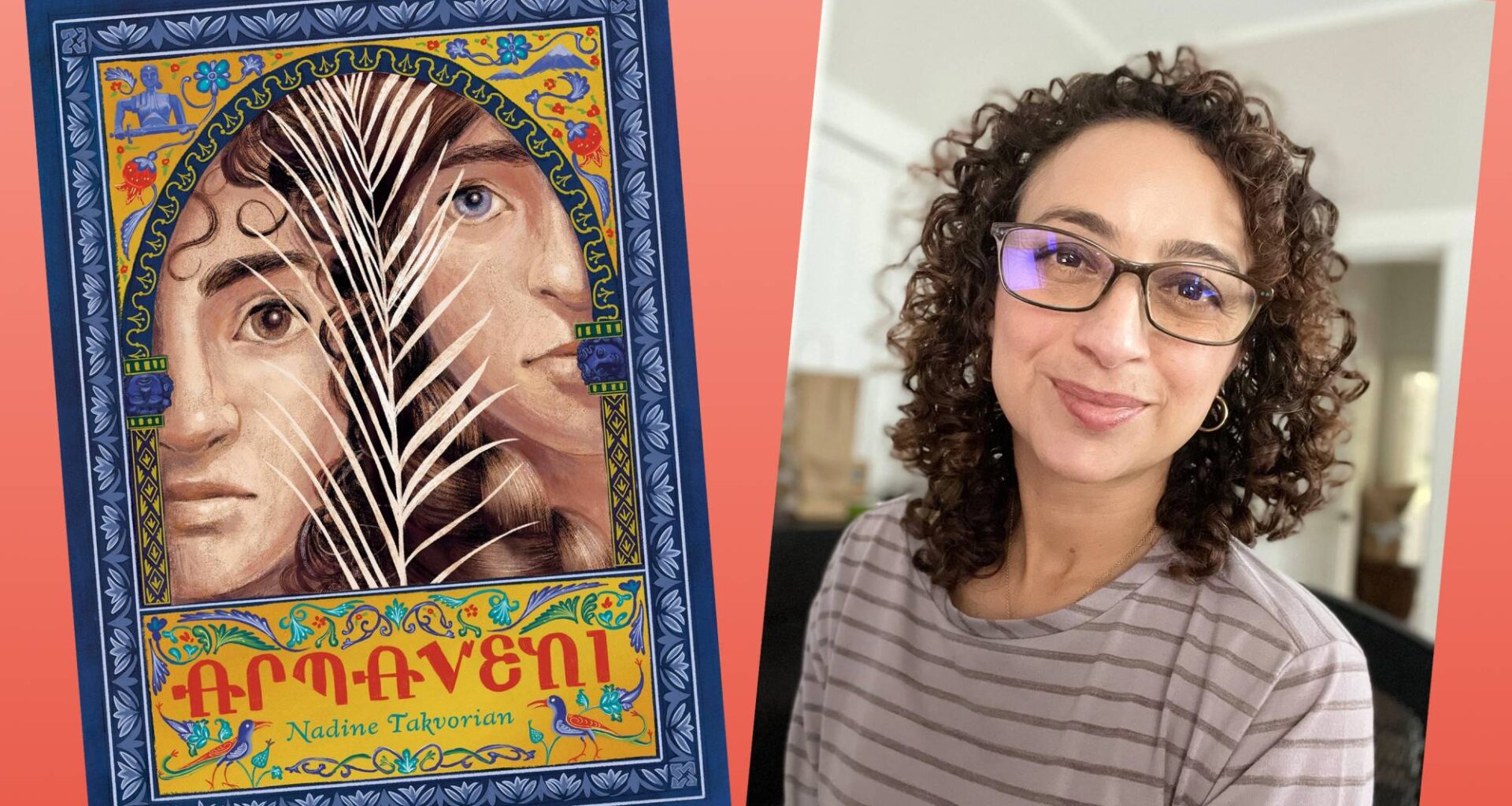
Though Armaveni is a memoir of her family’s story, the heart of the novel is Nadine’s discovery of this persecution, which Armenians identify as a genocide, and the frustrations she feels when she realizes her parents do not wish to discuss it. Many deny it ever happened, including one of her American schoolteachers, and the country that perpetrated it, Turkey.
“Genocide recognition is so important to the Armenian community,” Takvorian explains, noting that the issue is unfortunately used “as a political football” by politicians. “It’s dangled as, Well, if you do this, then we might recognize the genocide and we don’t want to do that and you don’t want us to do that.” In 2021, on the 106th anniversary of its start, President Biden became the first American president to officially recognize the Armenian genocide — a recognition that the Trump administration has been accused of walking back.
At the end of the novel, Takvorian offers a primer on the consequences of cultural erasure. That includes a note on Article 301 of the Turkish Penal Code, which states it is illegal to insult Turkey, and has been used to go after journalists and writers like Turkish Nobel laureate Orhan Pamuk for bringing up the persecution of Armenians. For her and other members of the Armenian community, it is important for there to be “closure and consequences” after years of being denied them.
Armaveni is visually personalized. A typeface is based on Takvorian’s actual handwriting, and the pages that recount her grandmother’s story have a storybook frame inspired by ancient Armenian manuscripts that Takvorian encountered at a library in England, “really lush and full of a lot of decorative elements,” she explains. “It’s one of my favorite Easter eggs in the book.”