
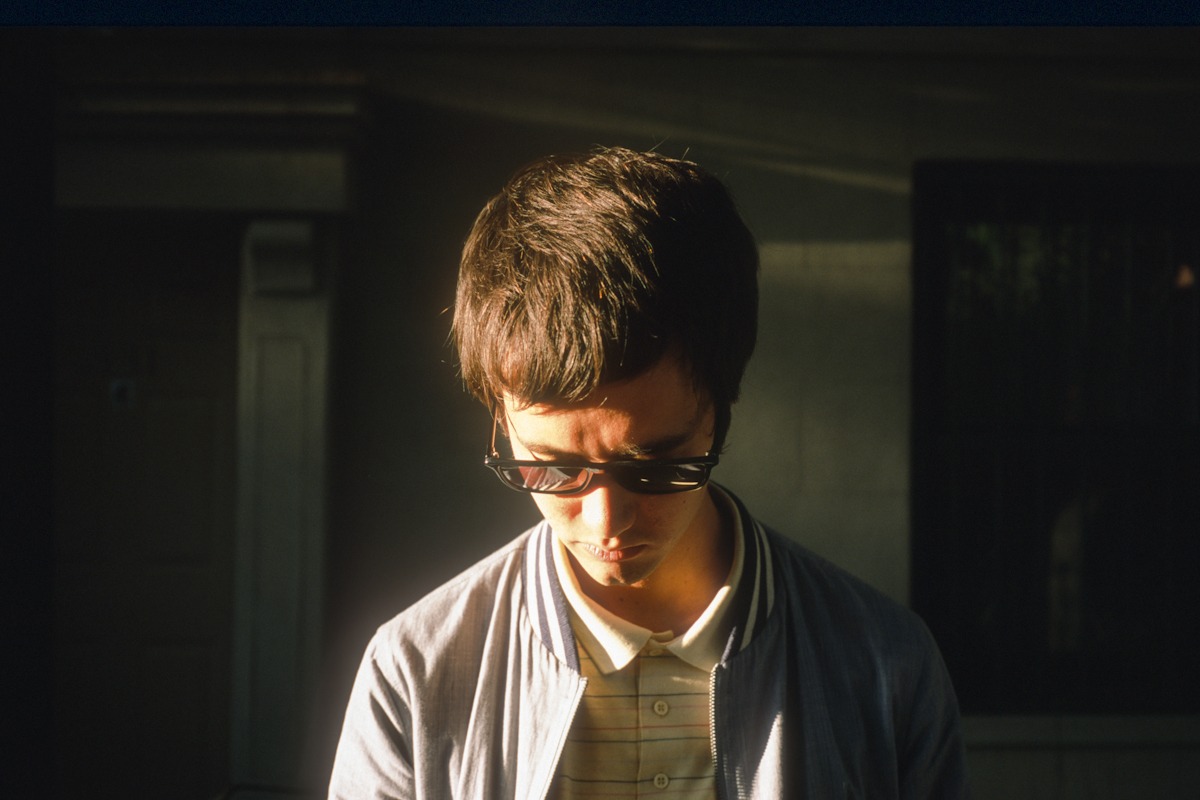
In the summer of 2023, musician Chris Chu ‘07 went out for a bike ride near his home in Nevada City. What happened next is something he’ll be piecing together for the rest of his life.
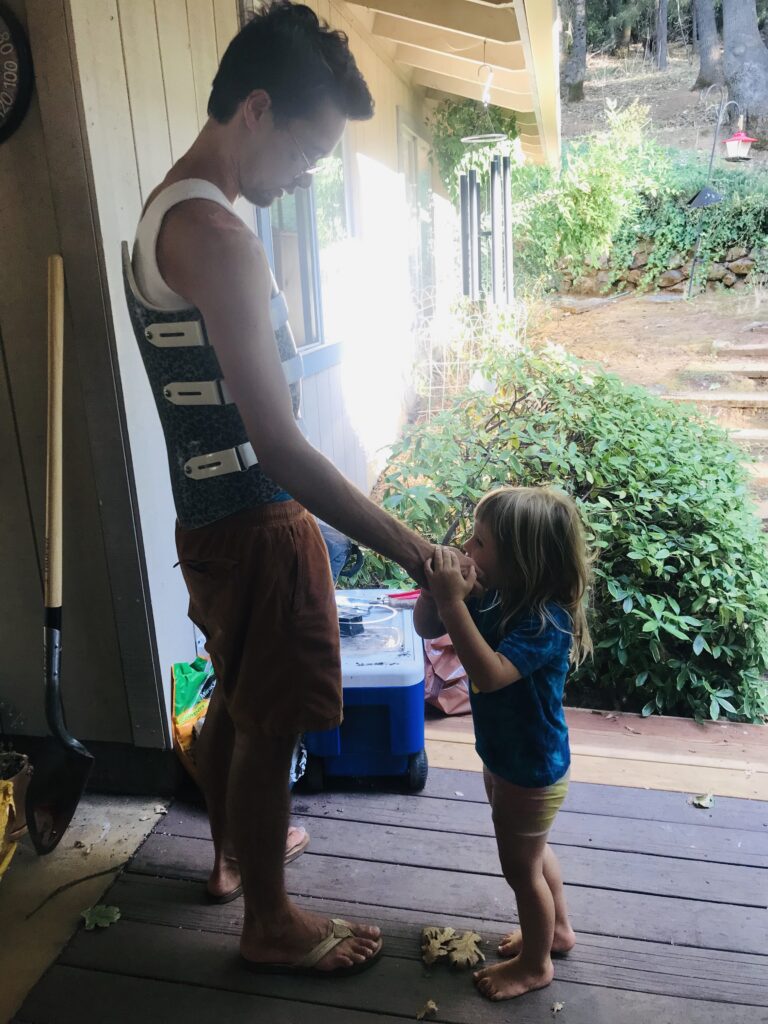
Chu was in a bad accident, he knows that much. “I woke up in the hospital, and had apparently broken my spine and hit my head really hard, and I just have no memory of the whole time,” explains the multi-instrumentalist, producer and recording engineer. Doctors told him he was lucky to be alive.
Months of at-home rehabilitation and physical therapy followed his weeks in the hospital, all under the haze of a severe traumatic brain injury and heavy-duty painkillers. It’s a period he barely remembers.
Chu’s mother and his partner have since helped fill in some of the details. He’s also seen Ring camera footage of himself right after the accident: somehow he made it to a nearby house and rang the doorbell for help; the strangers who answered called 911. But in a surreal twist, the most emotionally honest account of these missing months is one penned and recorded by Chu himself: Accidental Album, a set of 10 vulnerable indie pop songs that Chu released in October 2025 after discovering them in a folder on his hard drive a few months prior.
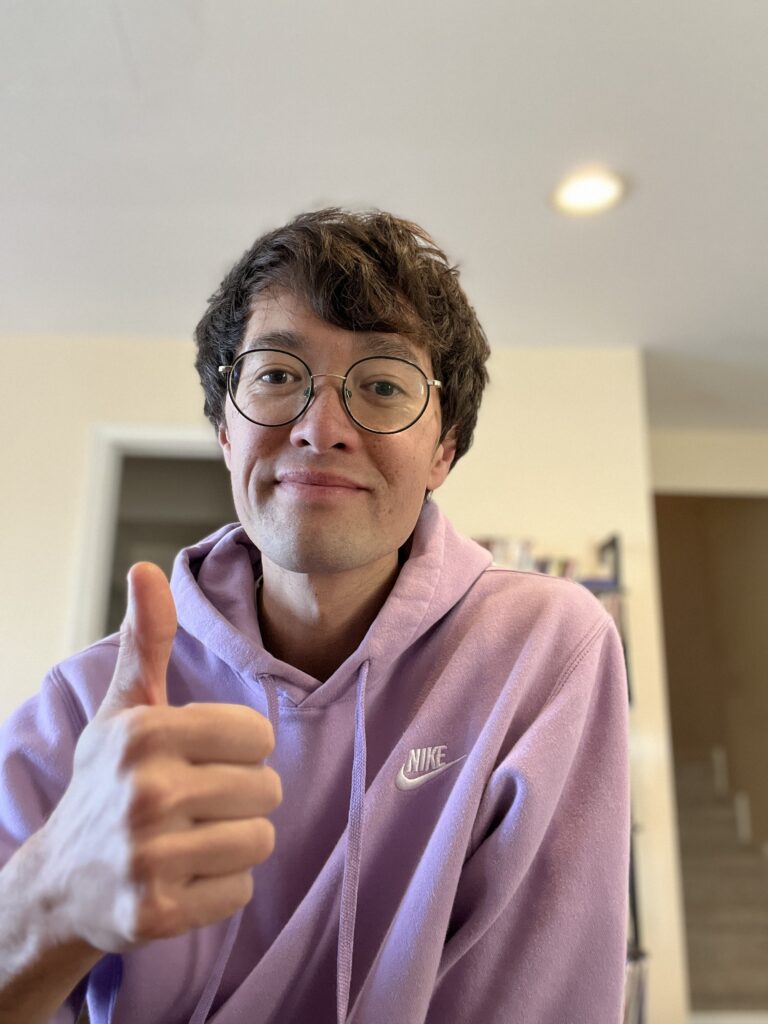
Chu is best known as the frontman of the indie rock band Pop Etc. (formerly the Morning Benders), which started as a group of friends at UC Berkeley circa 2005. But for the last half-decade or so, he’s spent most of his time doing production work for other artists. He has all the tools necessary to record and produce songs at his home studio. And apparently, that’s what he did.
“It was wild finding music that I made during this time, because I had kind of been thinking of myself as though I was in a vegetative state,” he says in a February phone interview while on a walk near his home. “The truth is I was having full conversations with my family… I just don’t have any memory of it. So it’s been a strange journey putting the pieces back together.”
Two and a half years after the accident, Chu still does physical therapy for back pain, but he knows how lucky he is that he wasn’t paralyzed, or worse. Processing the trauma has been another story — though, in an odd silver lining, Chu thinks not remembering the accident likely protected him in some ways. For the most part, Chu feels the accident changed him for the better.
“When you see the precariousness of everything, [it helps you realize] oh, yeah, I am so lucky. I’m lucky that I have music in my life as an outlet, and I’m lucky that I have all these people that were able to support me and help bring me back to life,” he says. “I just have more gratitude moving through the world all the time.”
That feeling comes across in the songs. To be sure, the lyrics are heavy and painful in places: “Took my bike out for a ride, woke up breathing through a tube/I still have dreams where I am flying, and I’ve got something to lose,” he sings on “Carrying On,” over deceptively carefree guitar. But Chu also feels hope and gratitude while listening to these songs—and it’s maybe the first time he’s truly enjoyed his own music.
“I actually really like the album, which is funny,” says Chu with a laugh. “Usually [recording an album] is such painstaking work, and there are so many phases…by the end of it I’m usually just done, I want to move on to the next thing. But with this album, when I first discovered it, I was like, ‘Wow, I really like this.’ It’s like listening as someone else, or listening to an artist I like. It’s very, very surreal.”
Releasing the record felt a little more complicated: It’s a deeply personal piece of work, and Chu isn’t enamored of the constant social media content production that the modern music industry demands of artists. The idea of coming up with a marketing strategy for a record about his near-death experience just felt wrong.
Still, he wanted people to hear it, so he wound up putting the record up on a few different streaming platforms “without much fanfare.”
That made it all the more surprising and beautiful when the reactions started coming in: Since the release in October, he’s heard from people who’ve been through all kinds of trauma: accident survivors, family members of people recovering from brain injuries, veterans dealing with PTSD, the list goes on.
“It’s been amazing how many people have felt compelled to write and wish me well and share their stories,” he says.
That’s a big part of why he’s considering playing some live shows with these songs—something he hasn’t felt especially compelled to do over the past few years.
“Especially these days, I think we’re compelled to silo off and keep a lot of our stuff behind closed doors in these little bubbles,” he says.
The reaction reminded him that when you “put something out into the world, you start hearing about all these other things people are going through. Then suddenly, it doesn’t feel so isolating. There’s that connection and commiseration and empathy.”