
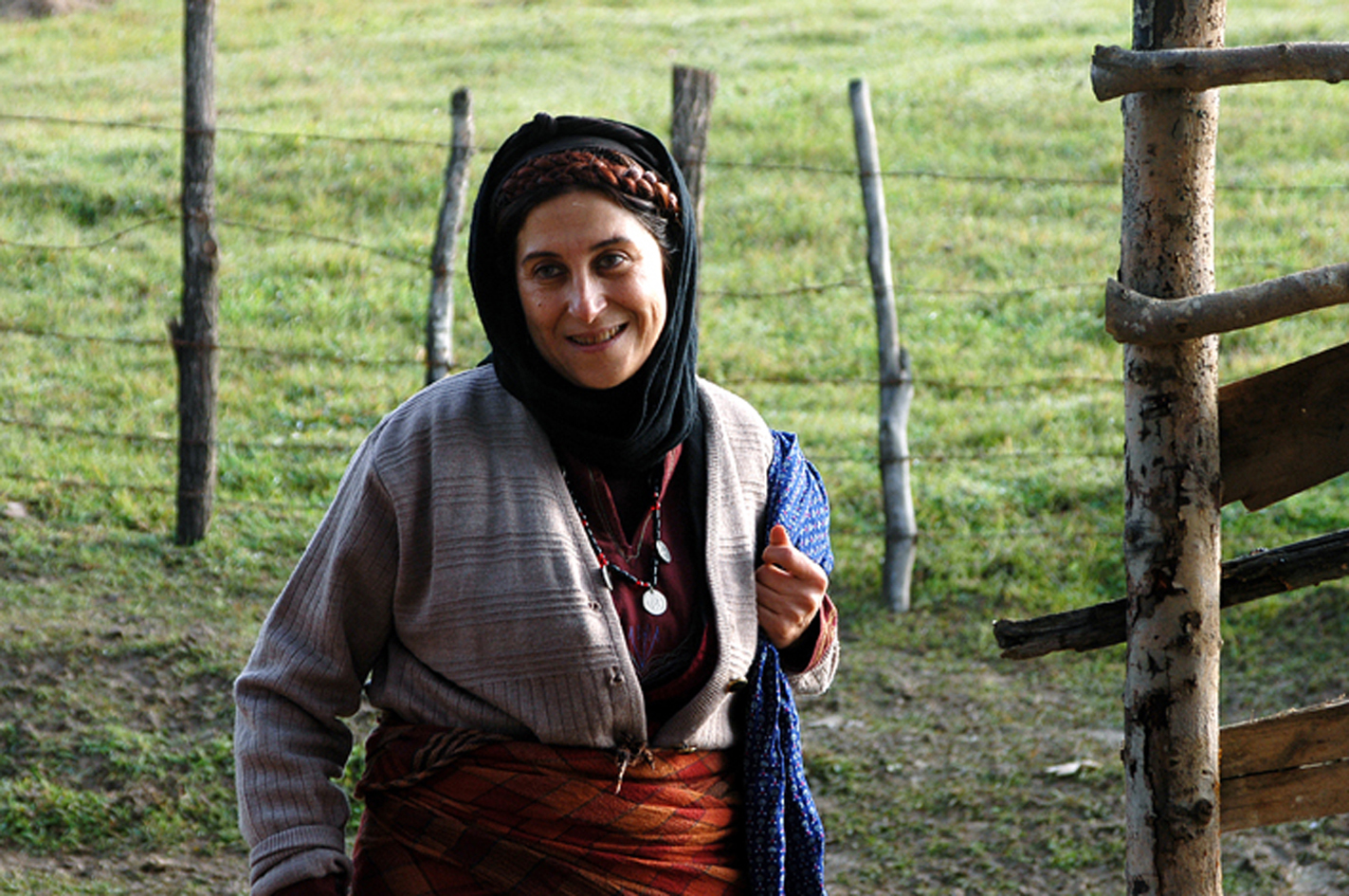
 A still from “Gilaneh,” a 2005 film directed by Rakhshan Banietemad and Mohsen Abdolvahab. Credit: Omid Film
This spring, as the war in Iran continues, the Berkeley Art Museum and Pacific Film Archive is hosting a series of Iranian films.
Over two months, BAMPFA will screen films depicting family dynamics and dramatic relationships, the work of prominent activists who’ve planted deep seeds in Iran and others who’ve fled the country in order to grow.
The Iranian Cinema: From Aesthetics to Politics spans multiple decades, offering a layered look at life in Iran with a focus on the stories of women.
Series curator and UC Berkeley professor Minoo Moallem explains that the series “traces Iran’s New Wave cinema from the 1970s on.”
This week, the theatre holds two screenings of Sohrab Shahid Saless‘s 1975 film Far from Home, the story of a Iranian “guest worker” in Germany dealing with alienation, cultural differences and other byproducts of migration.
Next is the 1972 film The Postman, from the late director Dariush Mehrjui, which adapts 19th century German playwright Georg Büchner‘s heartbreaking drama Woyzeck to 1970s Iran.
The series also features Bahram Beyzaie‘s 1986 movie Bashu, the Little Stranger, which will be shown on March 29 and April 8.
At the center of the film series is the work of Rakhshan Banietemad. An award-winning filmmaker who emerged in the wake of the 1979 Iranian Revolution, Banietemad is known as “the first lady” of Iranian cinema. Next month, as three of her films show at BAMPFA, Banietemad will visit Berkeley to discuss her work with Moallem.
“Her films depict the textures of everyday life,” Moallem says of Banietemad. Banietemad illuminates women’s experiences in Iran, while also covering topics like environmental degradation and poverty, in both urban and rural settings, Moallem says. At the same time, Banietemad’s films push against “the limits of state censorship and patriarchal cultural practices.”
Banietemad’s 2015 film All My Trees, which concentrates on the work of the late environmental activist Mahlagha Mallah, screens on April 22. Her 2001 film Under the Skin of the City screens April 23, with her 2005 film Gilaneh screening later that evening.
The feature films Under the Skin of the City and Gilaneh have different tones, as they’re set in different times. But at their core, both focus on families led by matriarchs who are finding ways to manage amid political turmoil and societal issues — a key theme of the series.
The series’ finale, Moallem explains, includes films especially relevant right now. Under the Skin of the City is “an unflinching look at gendered and economic violence,” while Gilaneh is about “the Iran–Iraq war’s long aftermath and the burden of care work.”
‘The Iranian Cinema: From Aesthetics to Politics’ runs through April 23 at BAMPFA (2155 Center St., Berkeley). Details and ticket information here.
Berkeleyside is a media partner of KQED, a listener-supported public radio station serving Northern California. Berkeleyside occasionally republishes KQED stories we believe will be of interest to our readers.
Related stories
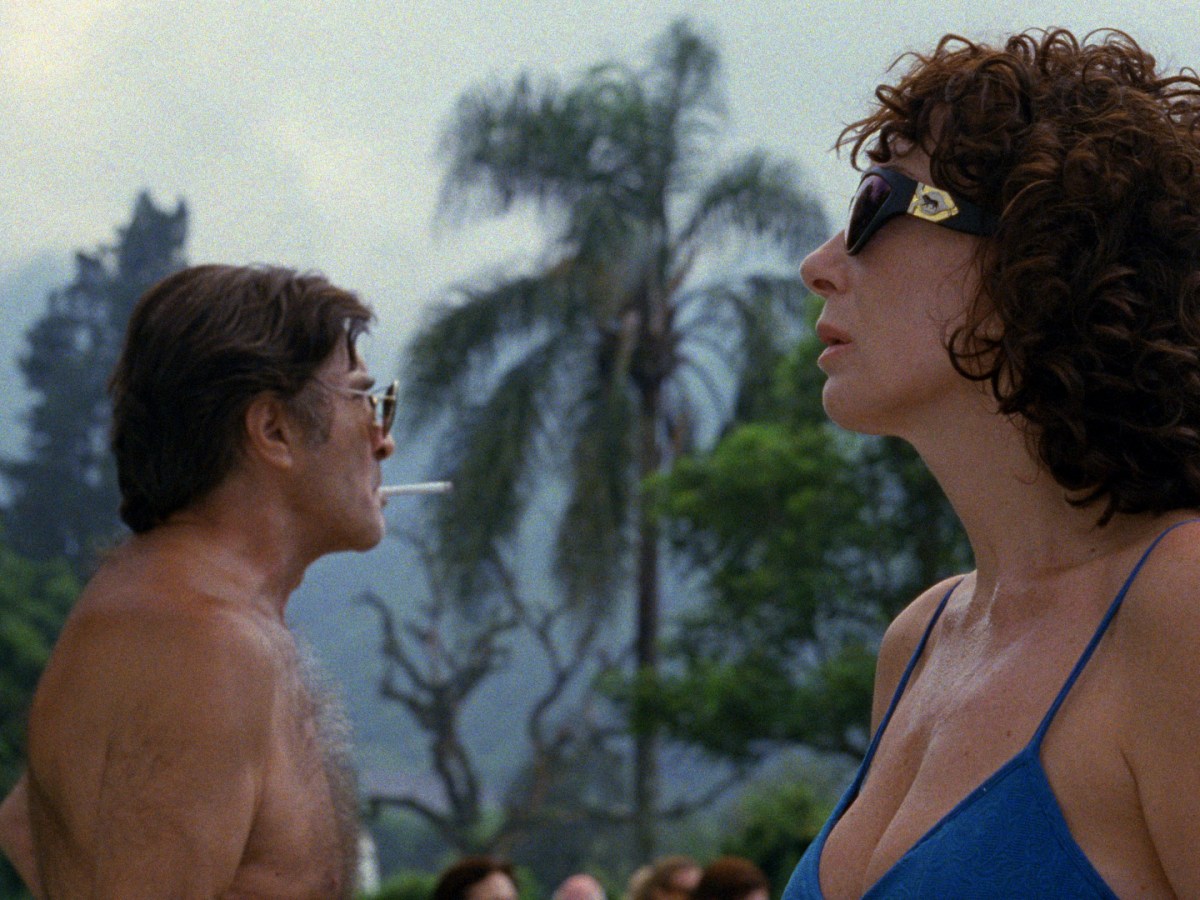
BAMPFA announces expansive spring film season
February 24, 2026Feb. 24, 2026, 11:12 a.m.
January 14, 2026Jan. 15, 2026, 12:38 p.m.
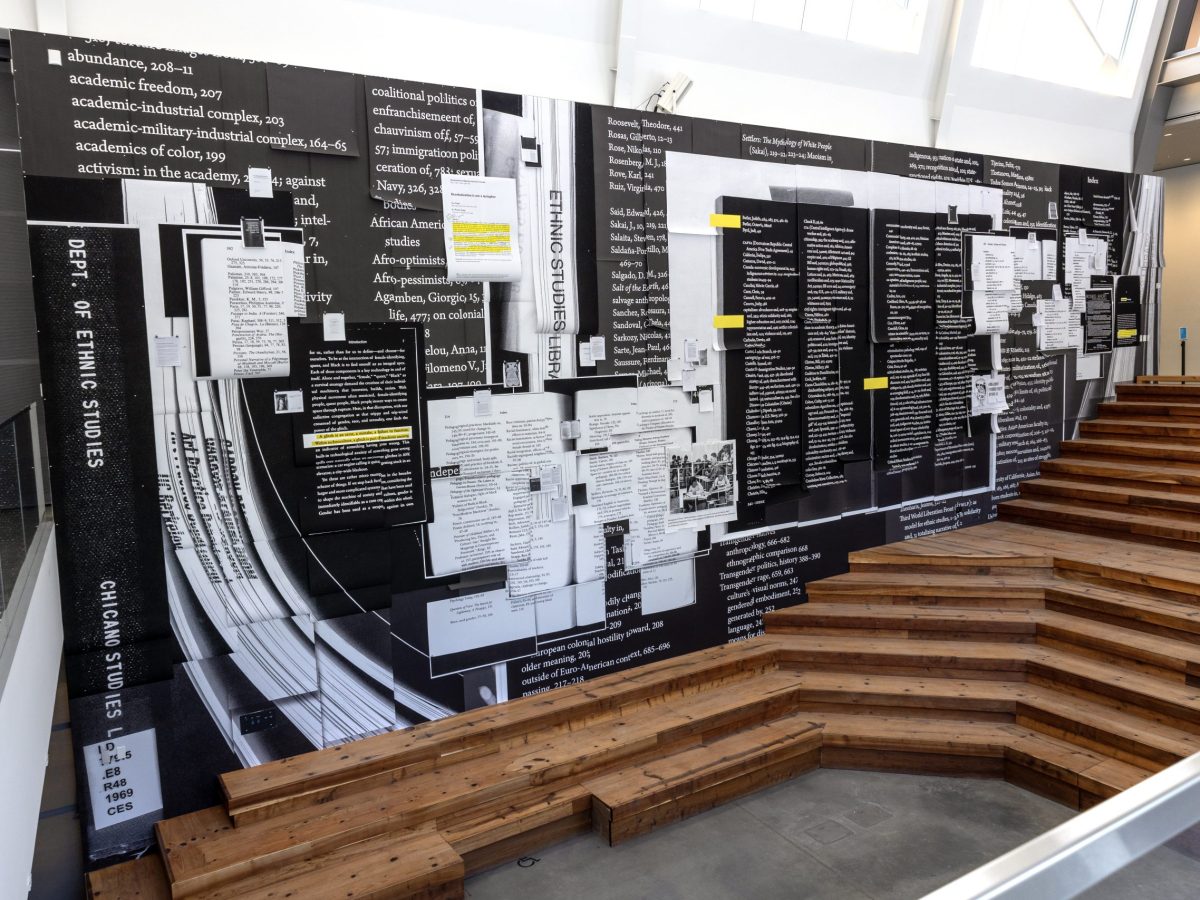
New mural at BAMPFA shows a ‘constellation of ideas’ threatened by war on DEI
August 13, 2025Aug. 19, 2025, 9:04 a.m.
“*” indicates required fields